Bike tour
Tuscany - From Pisa to Florence
Discover Tuscany by bike – cycle from Pisa to Florence through rolling vineyards, medieval villages & iconic landmarks. Ideal for solo travellers & families.

Rob
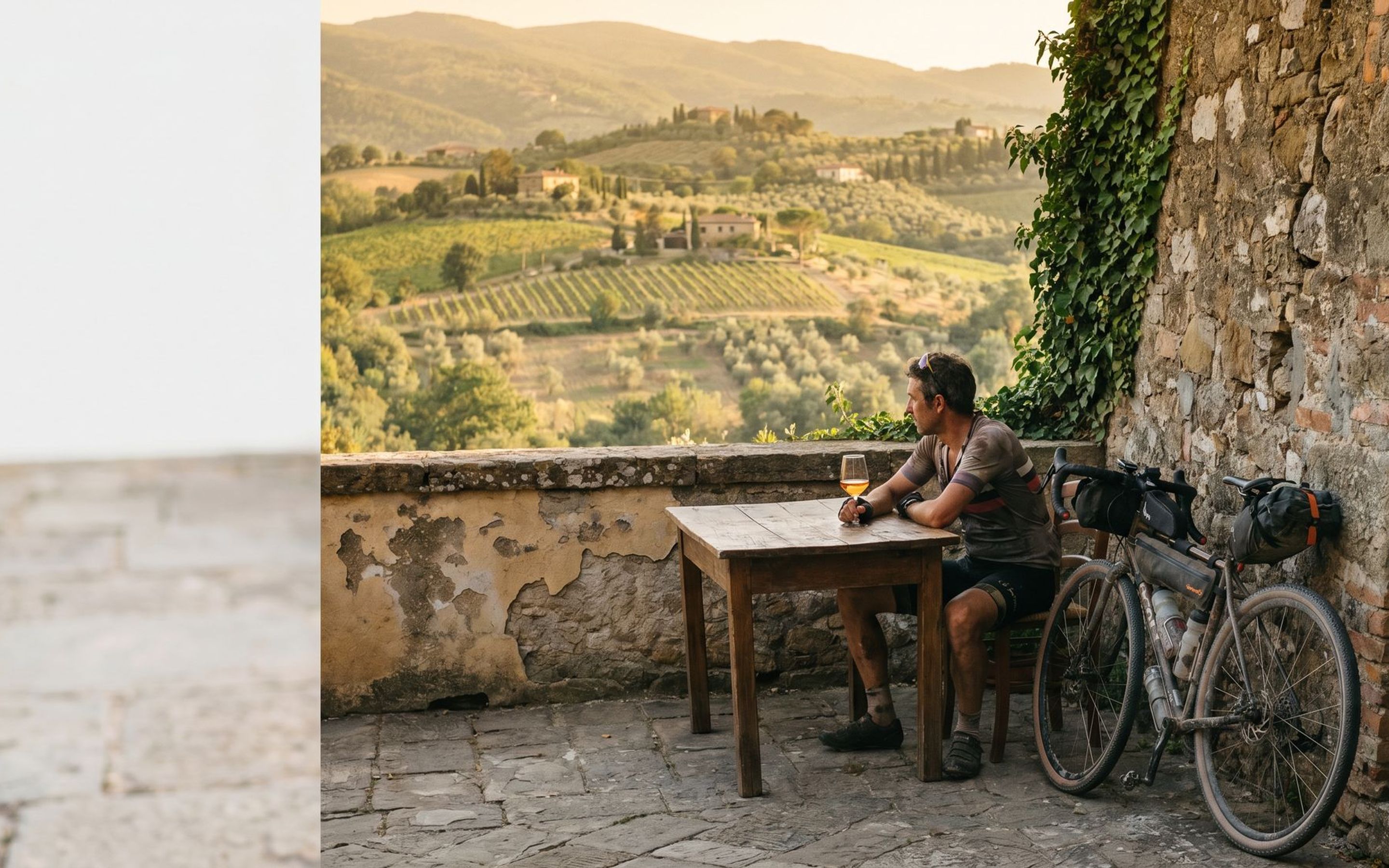
Picture this: it is four o'clock on a warm afternoon in Umbria. Your bike is leaning against a stone wall. Your luggage arrived at the hotel two hours ago. The owner is pouring you a glass of something local, and the only decision left is whether to walk into the village before dinner or sit here a little longer, watching the light change over the valley. That feeling — earned, unhurried, completely present — is why people book cycling holidays in Italy.
Italy is not just one cycling destination. It is a dozen, each with a different character, a different rhythm, and a very different ride. The vine-striped hills of Tuscany bear no resemblance to the switchback passes of the Dolomites. Puglia's flat, sun-baked olive groves are a world away from the alpine meadows of South Tyrol. And that is precisely why Italy tops more cycling holiday wish lists than any other country in Europe — there is an Italian cycling holiday for almost every kind of traveller.
This guide will help you find yours.
Three things set Italy apart from the rest of Europe.
The terrain is extraordinarily varied. Within a single country, you can ride flat river paths suitable for families, gently rolling vineyard roads built for leisurely couples, and mountain passes that test experienced road cyclists. No other European destination offers this range.
The food and wine are not a side benefit — they are half the experience. In Piedmont, you will cycle between Barolo vineyards and stop for truffle-shaved pasta. In Puglia, lunch is fresh orecchiette and a glass of Primitivo at a roadside trattoria. In Sicily, it is arancini from a market stall in a baroque piazza. Every region has its own kitchen, and on a cycling holiday you earn every course.
The infrastructure works. Italy has invested heavily in cycling routes over the past decade. The Adige River cycle path in South Tyrol is one of Europe's finest dedicated greenways. Tuscany and Puglia have well-established networks of quiet secondary roads. Bike-friendly accommodation is widespread. And the rail network connects most cycling regions, making point-to-point tours practical. Italy is also crossed by several EuroVelo long-distance cycling routes, and the Italian National Tourism Board provides regional cycling guides for visitors planning their first trip.
All of this makes Italy the most versatile cycling holiday destination in Europe. The question is not whether Italy is right for you — it is which part of Italy is right for you.
Italy has thirteen distinct cycling regions on Pedal Ventures, each with its own personality. Here is an honest guide to what each one offers, how hard the riding is, and who it suits best.
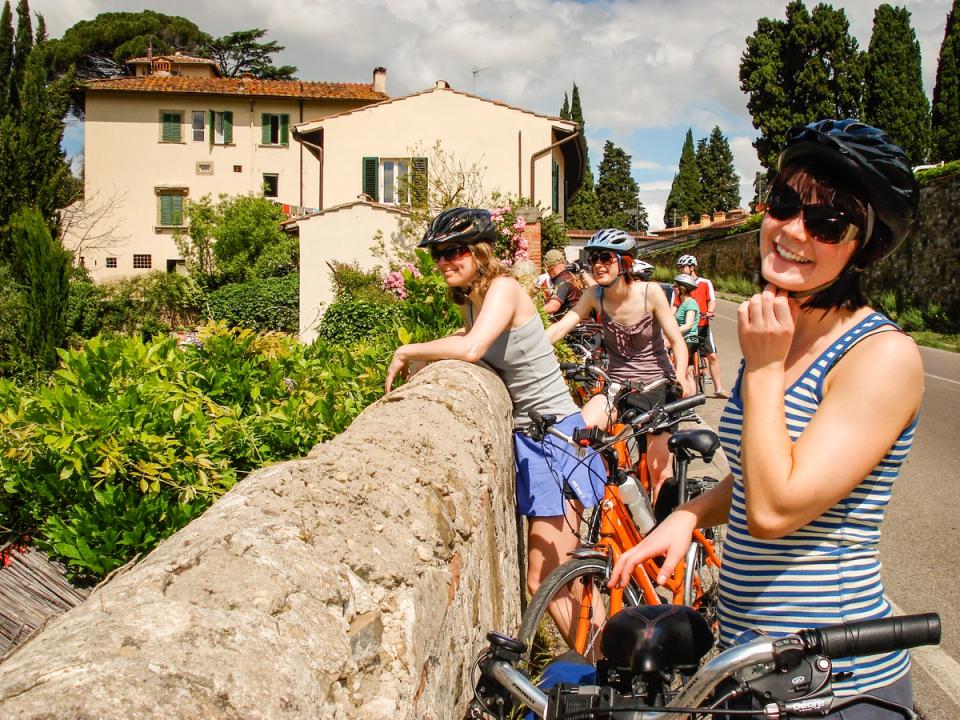
Character: Rolling hills, cypress-lined roads, medieval hilltop towns, world-class wine. Tuscany is the cycling holiday that most people picture when they think of Italy.
The riding: Expect undulating terrain with regular short climbs of 100–300 metres. The roads between villages are quiet and scenic, but the hills are genuine — do not let the postcard views fool you. A Pisa to Florence route covers the highlights at a manageable difficulty (rated 2 out of 5 on Pedal Ventures).
Discover Tuscany by bike – cycle from Pisa to Florence through rolling vineyards, medieval villages & iconic landmarks. Ideal for solo travellers & families.
Best months: April to June, September to October. July and August are hot — regularly above 35°C — and the most popular tourist towns get crowded.
Who it suits: Active Couples, Foodie & Wine Cyclists. If your ideal evening involves a farmhouse dinner with Chianti from the vineyard you rode past that morning, Tuscany is your region.
Character: Italy's heel. Sun-bleached stone towns, ancient olive groves, turquoise coastline, and some of the country's best food. Puglia is the Italy that Italians holiday in.
The riding: Mostly flat to gently rolling, making it one of Italy's most accessible cycling regions. The Alberobello to Lecce route runs along two coastlines — the Ionian and Adriatic — with daily rides through the Itria Valley's trulli houses and white hilltop towns. Rated difficulty 2.
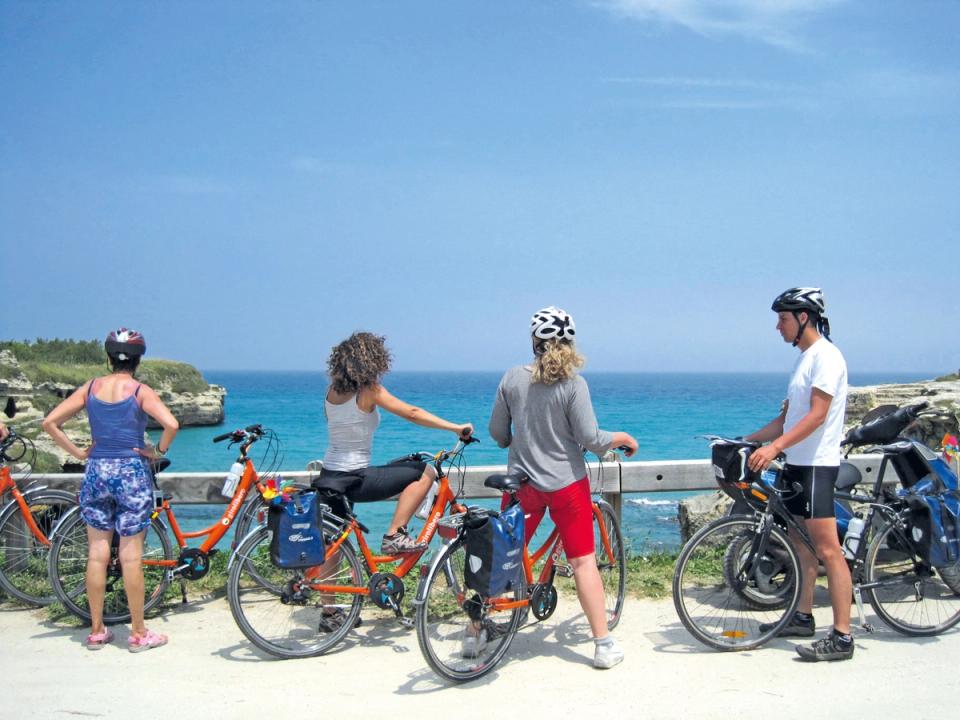
Explore Southern Italy by bike – Ride from Alberobello to Lecce through UNESCO towns, countryside trails, and seaside paths on this unforgettable Puglia cycling tour.
Best months: April to June, September to mid-November. Puglia's southern position means the season stretches longer than most Italian regions.
Who it suits: Beginners, couples who want relaxed riding, and anyone who prioritises food. Fresh seafood, orecchiette, burrata, and Primitivo wine are daily staples. Browse Puglia cycling holidays.
Character: UNESCO World Heritage peaks, soaring passes, alpine meadows, and a unique blend of Italian and Austrian culture in South Tyrol.
The riding: This is Italy's most challenging cycling region. The famous passes — Stelvio, Sella, Pordoi — attract serious road cyclists. But the Dolomites also offer valley routes that are surprisingly accessible. The Adige Cycle Route from Bolzano to Verona (difficulty 2) follows a gentle river path through vineyards and medieval villages, with a ferry crossing of Lake Garda as a highlight.
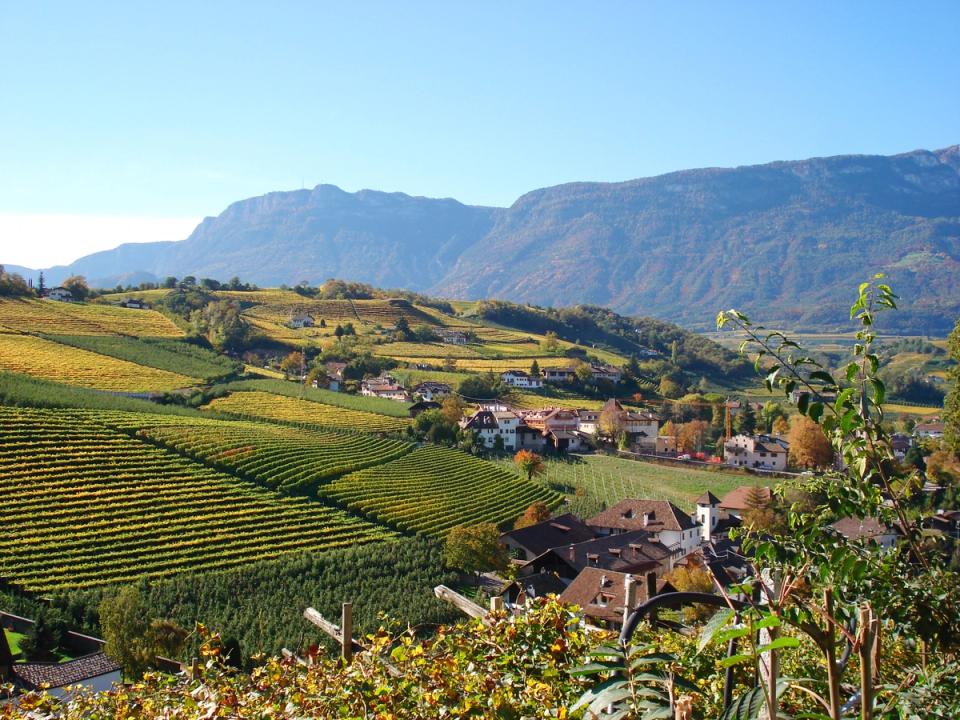
This cycling holiday through South Tyrol to Lake Garda and Venice through the rolling vineyards of Veneto offers a perfect blend of nature, history, and culture.
Best months: June to September. The high passes open in late June and close with the first autumn snow. Valley routes are rideable from April.
Who it suits: Two distinct groups: experienced cyclists chasing the great climbs, and families or leisure cyclists following the valley cycle paths. The Dolomites have something for both, but you need to choose the right route.
Character: The Mediterranean's largest island. Ancient Greek temples, baroque towns, citrus groves, volcanic landscapes, and a cuisine that draws on centuries of Arab, Norman, and Spanish influence.
The riding: Varied. Coastal routes are gentle; the interior is hillier. The Sicily and Aeolian Islands by Bike and Boat tour combines guided cycling and island-hopping aboard a traditional wooden caique — a format unique to this region. Difficulty 2, with e-bikes available.
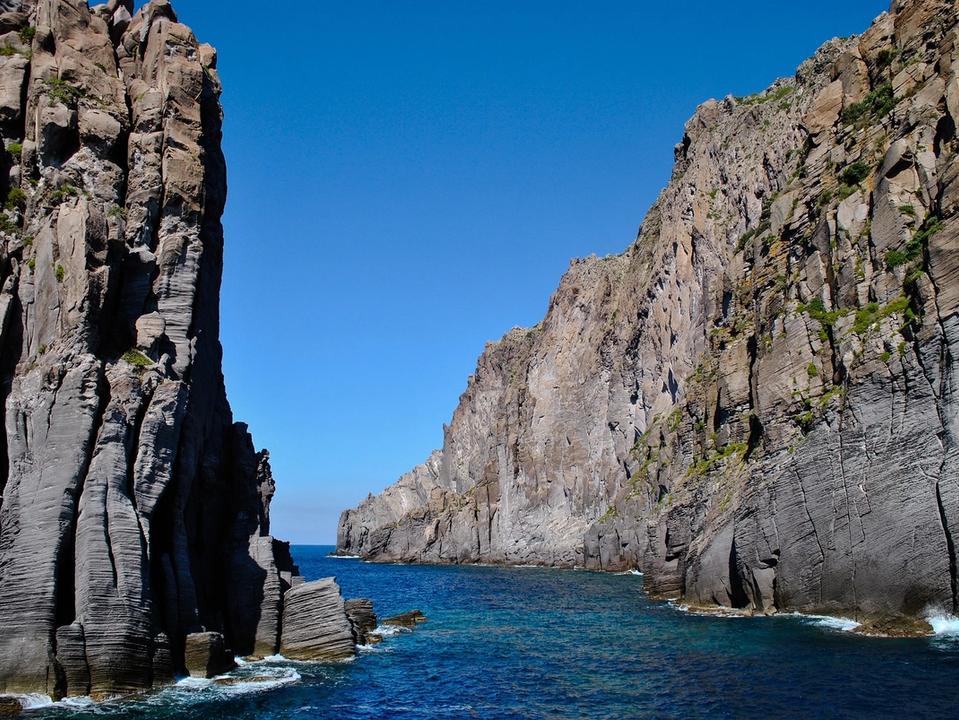
Explore Sicily’s Aeolian Islands by bike and on foot. Discover Vulcano, Stromboli, Salina and Lipari from a traditional sailing boat.
Best months: March to June, September to November. Sicily's climate allows cycling almost year-round, and it is one of Europe's best early-season destinations.
Who it suits: Adventurers and culture-lovers. If you want a cycling holiday that feels genuinely different from the Tuscan template, Sicily delivers.
Character: Italy's wilder island. Empty beaches, granite peaks, cork forests, and a pace of life that moves on its own terms. Sardinia rewards cyclists who want space and solitude.
The riding: More varied than you might expect. The north (Costa Smeralda, Gallura) has rolling hills with coastal views. The south-west coast is quieter and flatter. Difficulty ranges from 2 to 4 depending on route, with family-friendly options available in the south.
Best months: April to June, September to October. Summer is hot and popular with beach tourists.
Who it suits: Explorers and families (south Sardinia especially). If you have cycled Tuscany or Puglia before and want something less well-trodden, Sardinia is the next step.
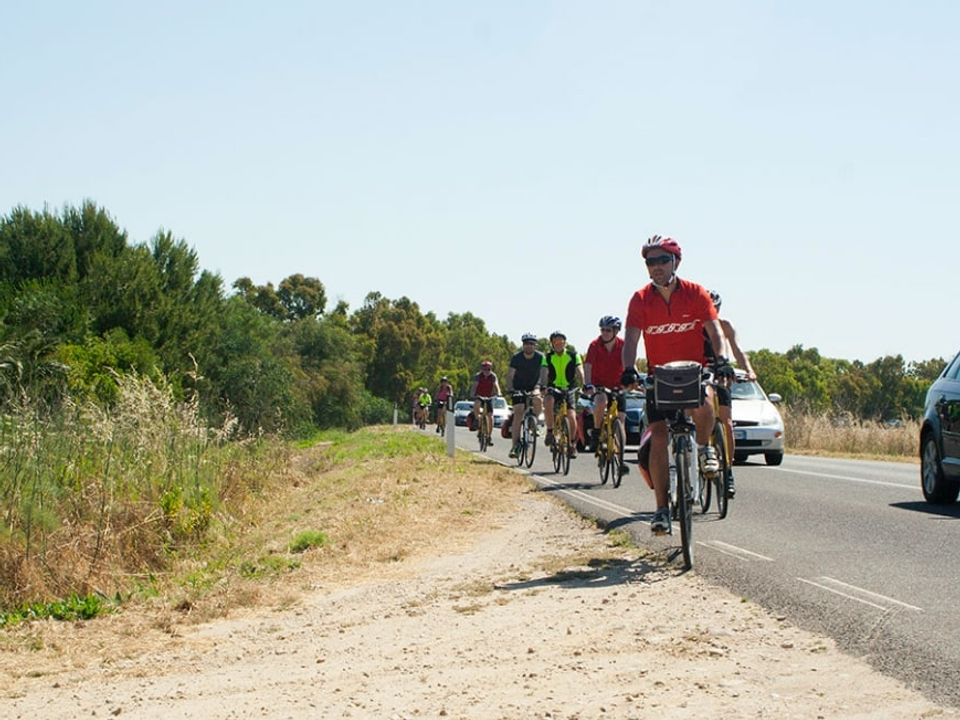
Enjoy gentle cycling along Sardinia’s peaceful south-west coast, with empty beaches, quiet fishing towns, ancient mines and relaxed coastal scenery.
Character: The flat Po Valley, the Venetian lagoon, Palladian villas, and the unique experience of cycling and sailing in combination.
The riding: Almost entirely flat. The Waterways of Venice bike and boat tour runs from Mantua to Venice along inland waterways, with daily rides through the Po Delta wetlands, Renaissance cities like Ferrara, and the fishing port of Chioggia. Difficulty 1 — one of the easiest cycling holidays in Italy.
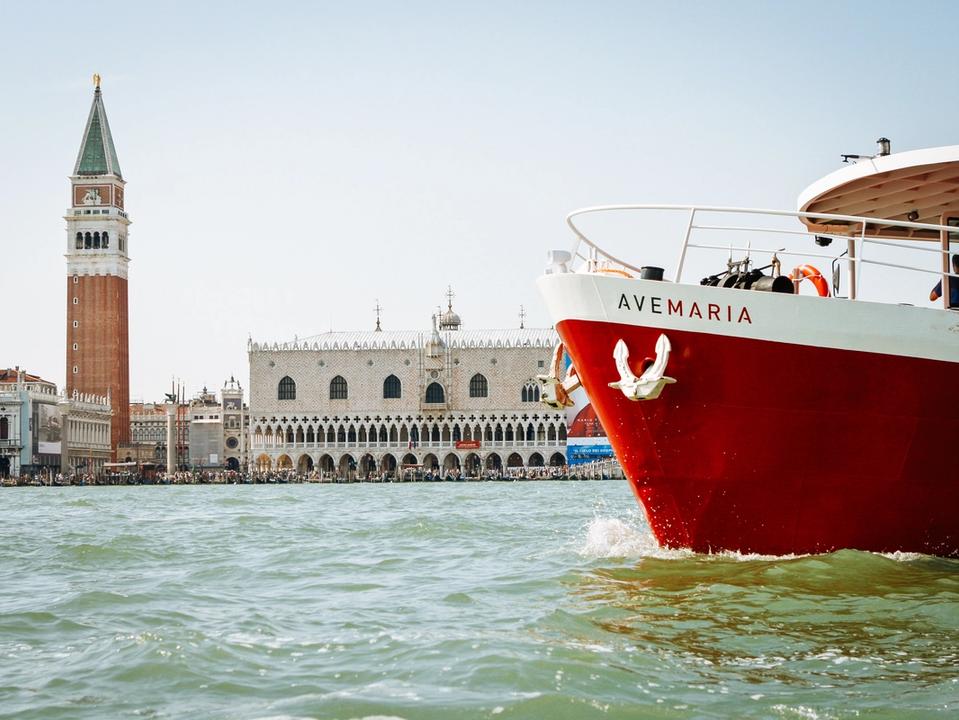
Cycle Northern Italy by 4* barge – Discover Venice, the Po Delta, Ferrara & Mantua on this relaxed bike & boat holiday with cultural highlights and easy daily rides.
Best months: April to October. The flat terrain and water proximity keep temperatures manageable even in summer.
Who it suits: Anyone who loves the idea of cycling and sailing in one holiday. Particularly popular with couples and groups who want a social, relaxed pace with cultural depth. Browse Venice cycling holidays.
Character: Italy's refined northwest. Barolo vineyards, white truffles, Slow Food philosophy, and the elegant city of Turin.
The riding: Rolling vineyard hills with some genuine climbs. The Piedmont Gourmet Loop circles from Turin through Alba, Barolo, and Asti — names that read better on a wine label than a road sign, but the riding matches the gastronomy. Difficulty 3.
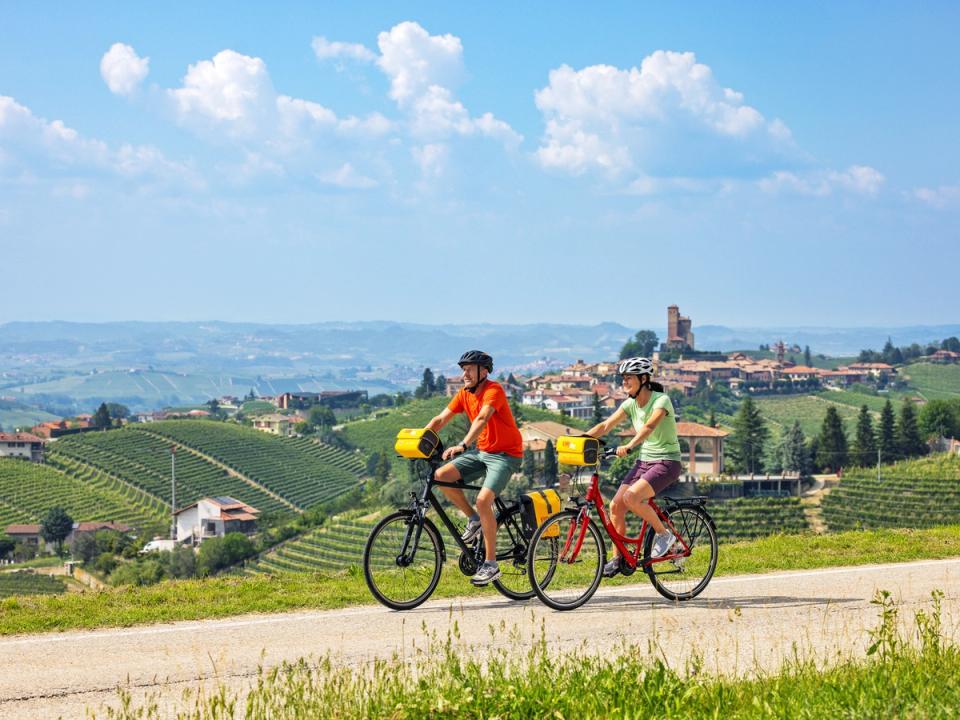
Cycle the Piedmont Gourmet Loop in Northern Italy, exploring rolling hills, charming towns, and tasting exquisite local cuisine and renowned wines on this unforgettable tour.
Best months: May to June, September to October. Autumn is harvest season — expect truffle festivals, new wine, and golden light over the Langhe hills.
Who it suits: The Foodie and Wine Cyclist. If the quality of your evening meal matters as much as the quality of the ride, Piedmont is your region.
Character: Medieval hilltop towns, Renaissance art, and the drama of arriving in the Eternal City. Umbria is often called "the green heart of Italy" and it earns the description.
The riding: The Florence to Rome route passes through Perugia, Assisi, and Spoleto, with rolling terrain through the Val di Chiana and around Lake Trasimeno. Difficulty 3 — moderate climbs with regular rewards. The final stretch arrives in Rome by train, a deliberate contrast after days of quiet countryside.
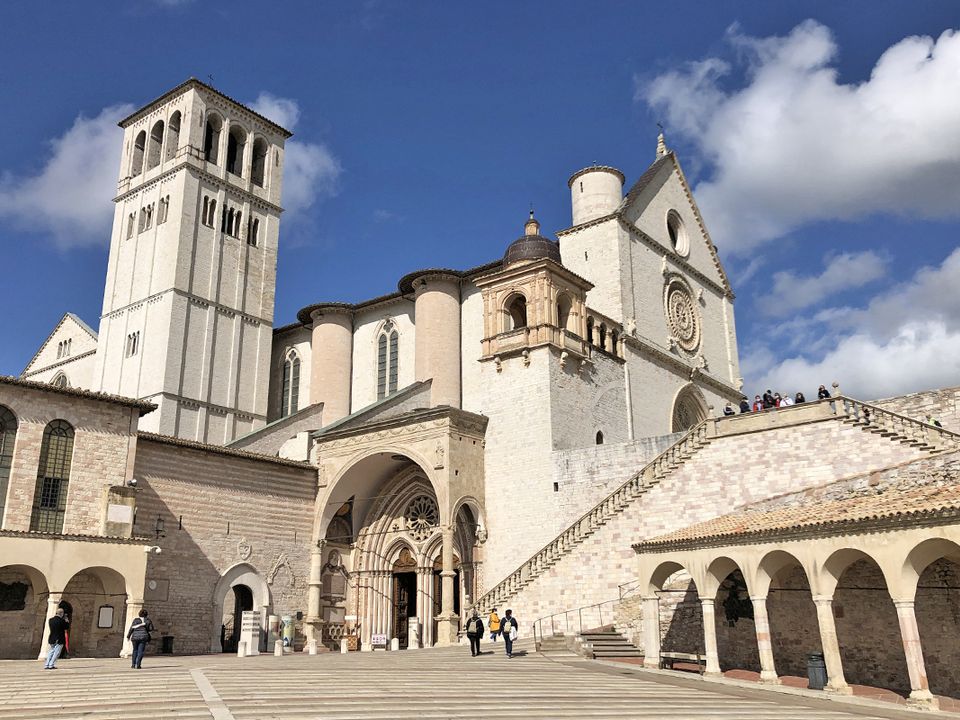
Cycle from Florence to Rome through Umbria’s medieval towns, vineyards, and valleys, with stops in Assisi, Perugia, and Spoleto.
Best months: April to June, September to October. Umbria's inland position means cooler evenings than coastal regions.
Who it suits: History and culture enthusiasts. Couples who want a point-to-point journey with a narrative arc — starting in Florence and finishing in Rome gives the holiday a sense of purpose. Browse Rome cycling holidays.
Character: Where Italy meets Austria. Apple orchards, alpine meadows, castle-studded valleys, and Europe's most family-friendly cycling infrastructure.
The riding: The Adige Cycle Path is one of Italy's finest dedicated routes — paved, mostly flat or gently downhill, and largely traffic-free. The Lake Resia to Bolzano family route is rated difficulty 1, with short daily distances, splash parks along the way, and gelato stops built into the itinerary.
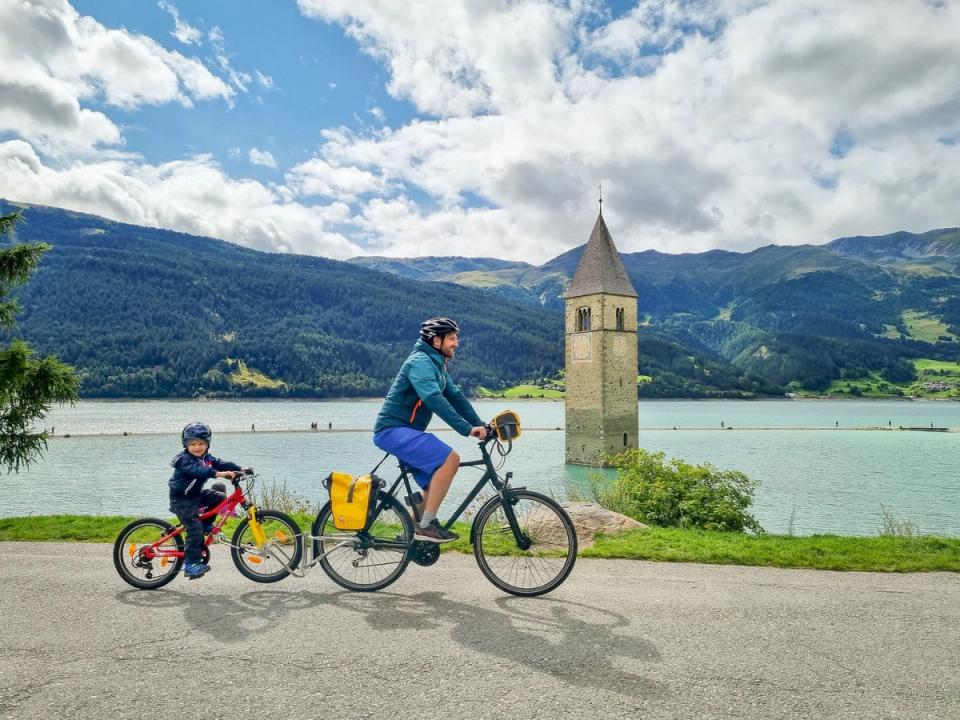
Discover the beauty of South Tyrol on a family cycling tour from Lake Resia to Bolzano, featuring gentle paths, historic sites, and fun attractions.
Best months: May to September. The alpine valleys are green and warm in summer without the extreme heat of southern Italy.
Who it suits: Families with children and first-time cycle tourers. If you want to introduce your family to cycling holidays, South Tyrol is the place to start.
Italy's north-to-south range of over 1,000 kilometres means the answer depends entirely on where you are going.
March and early April: Southern Italy and the islands wake up first. Sicily and Sardinia offer warm, settled riding while northern Italy is still cool. Wildflowers are at their best.
Late April to June: The sweet spot for most of Italy. Tuscany, Puglia, Umbria, and Piedmont are warm without being hot. The Dolomite valleys open up. Tourist crowds have not yet arrived. This is when experienced travellers book.
July and August: Southern and central Italy are hot — often above 35°C. The Dolomites and South Tyrol come into their own, with comfortable mountain temperatures and long daylight hours. Coastal regions are busy with summer tourists.
September and October: Italy's second golden window. Temperatures ease, harvest season begins, and the light turns softer. Tuscany and Piedmont are at their atmospheric best. Puglia's season extends well into November.
The practical advice: book your preferred dates early. The best Italian cycling holidays sell out months in advance, particularly in May, June, and September.
Most cycling holidays in Italy are self-guided. You receive detailed route notes, GPS navigation, and pre-booked accommodation. Your luggage is transferred between hotels each day. You ride at your own pace and stop when something catches your eye — which, in Italy, is often.
Guided options exist, particularly for the Dolomites' mountain passes and Sicily's bike-and-boat tours, where local knowledge adds genuine value. The Venice waterway tours are also guided, with a tour leader aboard the boat.
Every tour on Pedal Ventures is handpicked. We work with local Italian operators who know their regions intimately — which roads are genuinely scenic versus which ones run alongside the motorway, which hotels have the best food, which route variations avoid the worst hills. If we would not book it ourselves, it is not on the site.
Your booking is financially protected through the PTS scheme, which means your money is safe if anything goes wrong — with us or with the operator. At an average booking value of around £3,000, that protection matters.
A cycling day in Italy follows a rhythm you settle into quickly.
Breakfast is generous — often at the hotel, sometimes at a local bar with an espresso and a cornetto. You set off mid-morning. The day's ride is typically 30–60 kilometres depending on the route, with the pace entirely in your hands.
Mid-morning, you stop at a village cafe. Lunch is wherever looks good — a trattoria, a market, a bakery. The riding continues through the afternoon, but the distances are designed so you arrive at your next accommodation by mid to late afternoon.
Then comes the part that separates a cycling holiday from a cycling training camp: the evening. Your luggage is already in your room. You shower, wander the town, sit somewhere with a drink, and choose where to eat. In Italy, this is not the filler between rides — it is half the holiday.
It depends on the region. Puglia, the Veneto, and South Tyrol have genuinely easy routes suitable for anyone who can ride a bike comfortably for a few hours. Tuscany and Piedmont require moderate fitness — the hills are real. The Dolomites' mountain passes demand serious cycling fitness. Choose the region that matches your level, not the one that looks best on Instagram.
Yes, across most Italian cycling holidays on Pedal Ventures. E-bikes are particularly popular for Tuscany (where the hills catch people out), mixed-ability couples, and anyone over 60 who wants to enjoy the scenery without worrying about the gradient.
Italian drivers are generally considerate of cyclists, especially outside major cities. The best cycling holiday routes use quiet secondary roads, dedicated cycle paths, or country lanes with minimal traffic. Some caution is needed when entering or exiting larger towns. Check the latest FCDO travel advice for Italy before you travel for up-to-date entry requirements and safety information.
Most cycling holidays in Italy on Pedal Ventures range from £800 to £2,000 per person, depending on duration, accommodation standard, and whether bikes are hired. That typically includes accommodation, breakfast, luggage transfers, and route navigation. Flights are separate.
Absolutely. South Tyrol's Adige Cycle Path is specifically designed for families, with short daily distances, flat terrain, and child-friendly stops. Sardinia also has family-friendly options. Look for routes rated difficulty 1 or 2.
Padded cycling shorts, layers for variable weather, and comfortable shoes for evening walking. Most cyclists ride in casual cycling clothes rather than full Lycra. Pack light — your luggage is transferred, but a single bag per person is the standard allowance.
Not at all. Accommodation staff in cycling-friendly hotels speak English, and route notes are provided in English. That said, a few words of Italian — buongiorno, grazie, un bicchiere di vino rosso — go a long way.
January is peak booking season. The most popular Italian tours sell out by March for the May–October riding season. If you have specific dates in mind, book early.
Ready to find your Italian cycling holiday? Browse all cycling holidays in Italy or start with a region that caught your eye — Tuscany, Puglia, the Dolomites, or Venice.