Find it cheaper, we’ll match the price
Pedal Ventures

Cycling Holidays in Romania: Best Routes & Travel Tips

Cycling Holidays in Romania: Routes, Tips and What to Expect

Romania is one of Europe's most compelling yet overlooked cycling destinations — a country where dramatic mountain passes, medieval villages, and near-empty roads reward adventurous riders who are willing to look beyond the obvious choices.

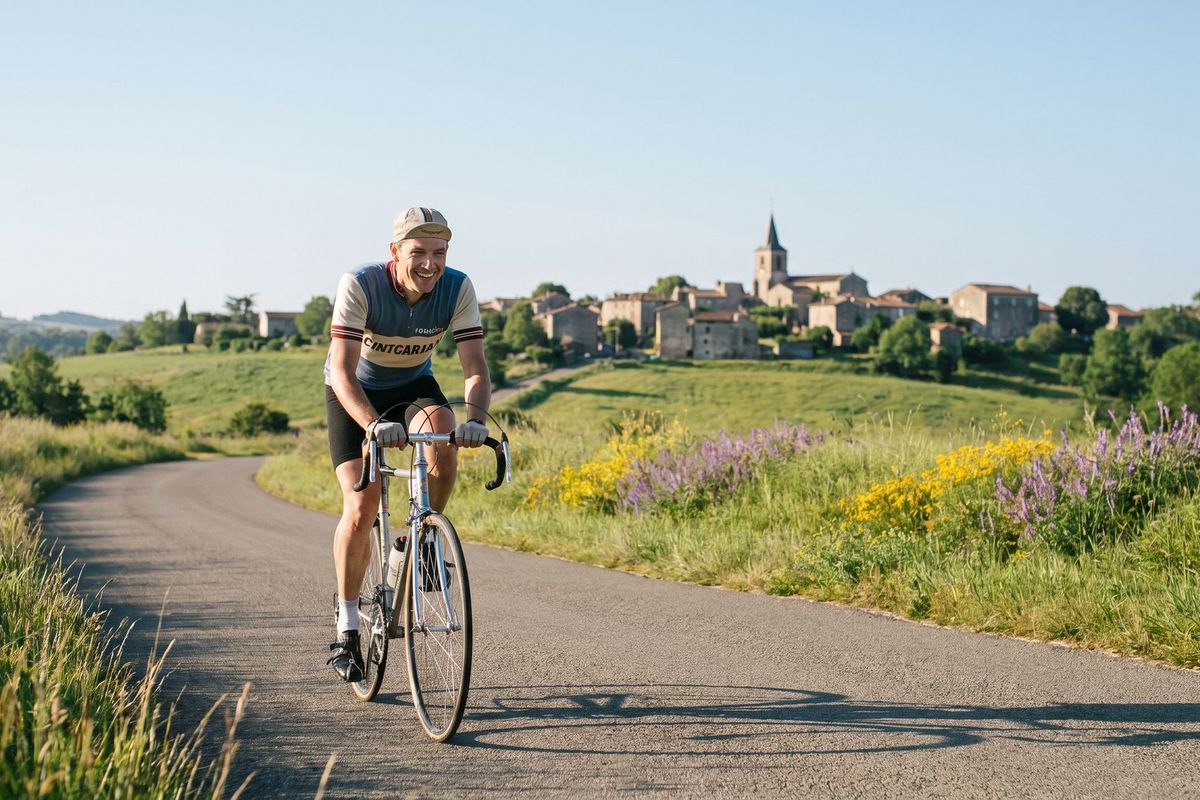
Cycling holidays in Romania have been gaining popularity among European cyclists over the last several years. While popular routes through France, Italy, and the Netherlands remain perennial favourites, a growing number of riders are turning eastward in search of something rawer and more rewarding. Romania delivers exactly that. Organised bicycle tours in the country have expanded significantly, reflecting rising international demand for authentic, off-the-beaten-path cycling experiences.

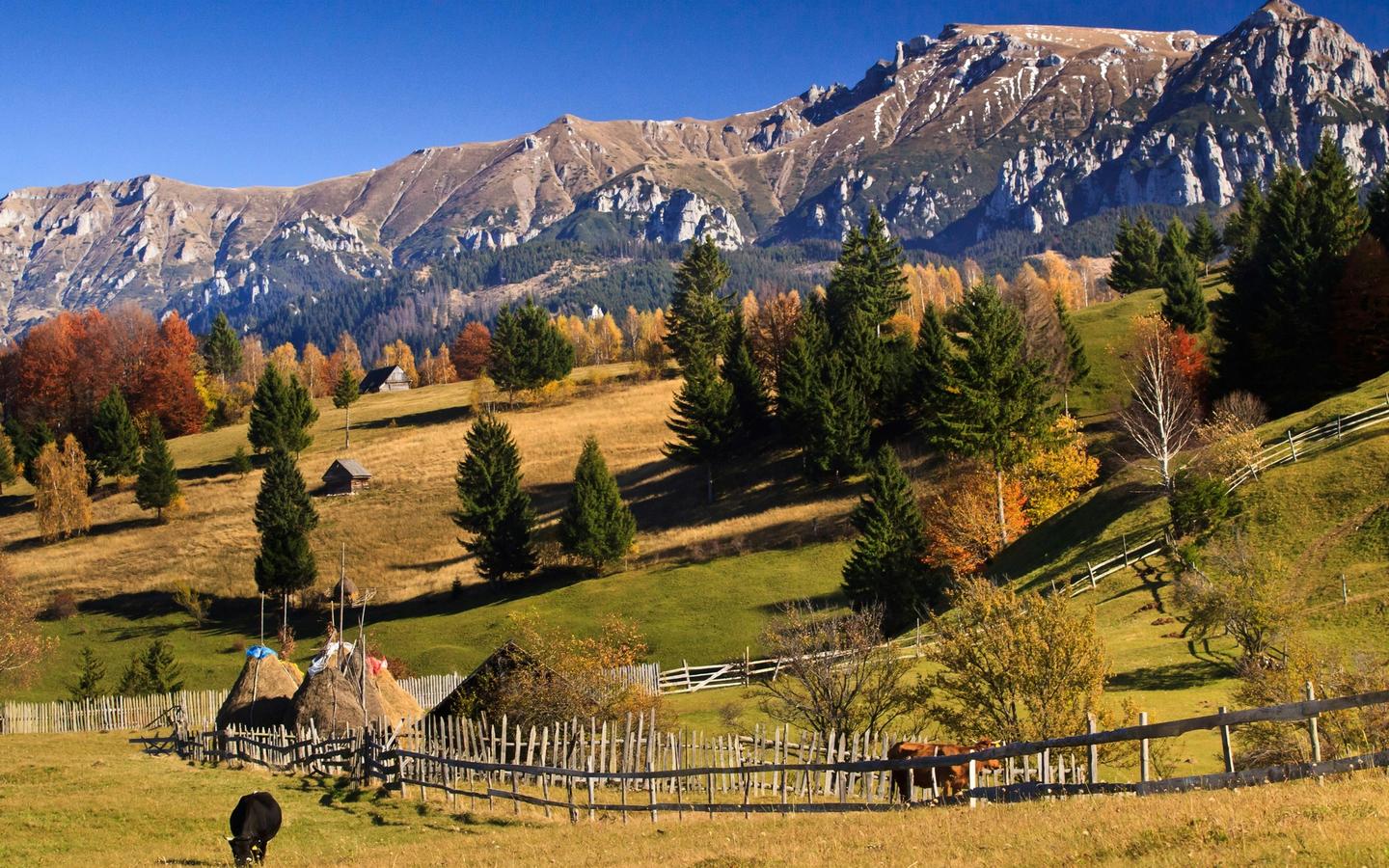
What sets Romania apart is the sheer variety of its landscape and culture. The Carpathian Mountains offer serious elevation and breathtaking alpine scenery, while Transylvania's rolling countryside — dotted with fortified Saxon churches and unhurried market towns — provides a more accessible but equally memorable ride. Head further into the rural heartland, and you'll find a cycling environment that feels genuinely untouched. Wooden haystacks in the fields, horse-drawn carts sharing country lanes, and villagers who greet strangers with curiosity rather than indifference — this is a side of Europe that's increasingly hard to find elsewhere.

The infrastructure is improving, too. Route marking, guesthouses catering to touring cyclists, and guided tour operators have all developed noticeably in recent years, making it easier to plan everything from a week-long self-guided loop to a multi-stage adventure. For riders who want a sense of what a well-organised cycling tour through Romania actually looks like in practice, the options are broader than most people expect.

Romania is clearly worth visiting on a bike. The more useful question is why it earns its place on any serious cyclist's radar, which the next section explores in depth.

Why Choose Romania for a Cycling Holiday

Romania stands out as one of the most rewarding destinations for cycling, combining dramatic landscapes, uncrowded roads, and genuine cultural depth at a fraction of the cost of Western Europe.

Uncrowded roads are Romania's single greatest asset for cyclists. While popular touring countries like France or Italy can feel congested on well-worn routes, Romania's rural roads remain largely traffic-free. Thousands of miles of quiet backroads thread through the Carpathian foothills, connect Saxon villages, and trace river valleys where a passing horse cart is more common than a passing car. That sense of space — of genuinely discovering a place — is increasingly rare in European cycling, and Romania still has it in abundance.

Affordability sets Romania apart in a practical, meaningful way. Daily costs for accommodation, food, and local transport sit well below the Western European average. A hearty meal at a village guesthouse might cost £6–10, and budget-friendly rooms are widely available outside major cities. Romania rewards cyclists who lean into local experiences — and the lower price point makes it easy to stay longer and go further without budget pressure. For riders who've already explored cycling routes in Germany or further west, Romania represents a compelling next step where your money goes further.

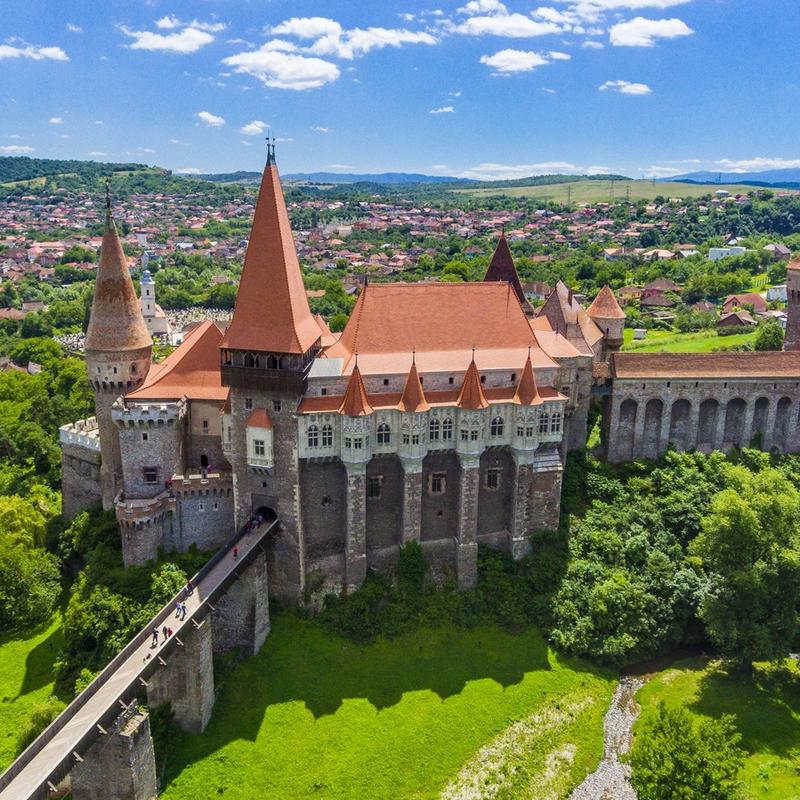
Cultural richness adds a layer that pure mountain destinations can't match. Romania's countryside is dotted with fortified Saxon churches — over 150 still stand in Transylvania alone — alongside medieval citadels, painted Byzantine monasteries, and villages where traditional rural life continues largely unchanged. These aren't museum pieces; they're living communities that cyclists pass through, not past.

Warm hospitality ties the experience together. Locals in rural Romania have a genuine reputation for welcoming travellers, often going out of their way to offer directions, a cold drink, or a conversation. That human warmth, combined with hearty regional food — think slow-cooked stews, fresh bread, and local plum brandy — turns a cycling trip into something more memorable than a simple physical challenge.

Romania is, in short, an overlooked gem in European cycling — and the routes themselves are every bit as varied as the reasons to visit, as the next section reveals.

Best Cycling Routes in Romania

The variety of Romania's cycling routes is its greatest asset — from high-altitude mountain passes to river delta wetlands, the country rewards cyclists across every ability level and interest. Whether you're planning independent rides or structured bike tours in Romania, knowing which corridors deliver the most rewarding experiences helps focus your planning. Below are five routes that consistently appear on serious cyclists' radar.

The Transfăgărășan Highway is widely regarded as one of the most dramatic cycling climbs in all of Europe. Stretching roughly 90 kilometres through the Făgăraș Mountains, this legendary road reaches an elevation of 2,042 metres at Bâlea Lake. The switchbacks are relentless, the gradient punishing in places, and the scenery — glacial lakes, bare ridgelines, cascading waterfalls — is genuinely breathtaking. In practice, most cyclists tackle the ascent from the southern side, which offers a more gradual climb before a fast, exhilarating descent northward. It's a bucket-list ride, though one that demands solid fitness and careful timing.

The Transylvania circuit through Saxon villages offers something entirely different: a rolling, culturally rich loop through fortified medieval towns and farming valleys. Villages like Viscri, Biertan, and Sighișoara carry centuries of Saxon heritage, and the roads connecting them remain quiet and largely traffic-free. Distances between stops are manageable, making this a strong choice for cyclists who want more cultural immersion alongside their mileage. The UNESCO-listed Saxon villages are a useful starting point for understanding the historical significance of this route.

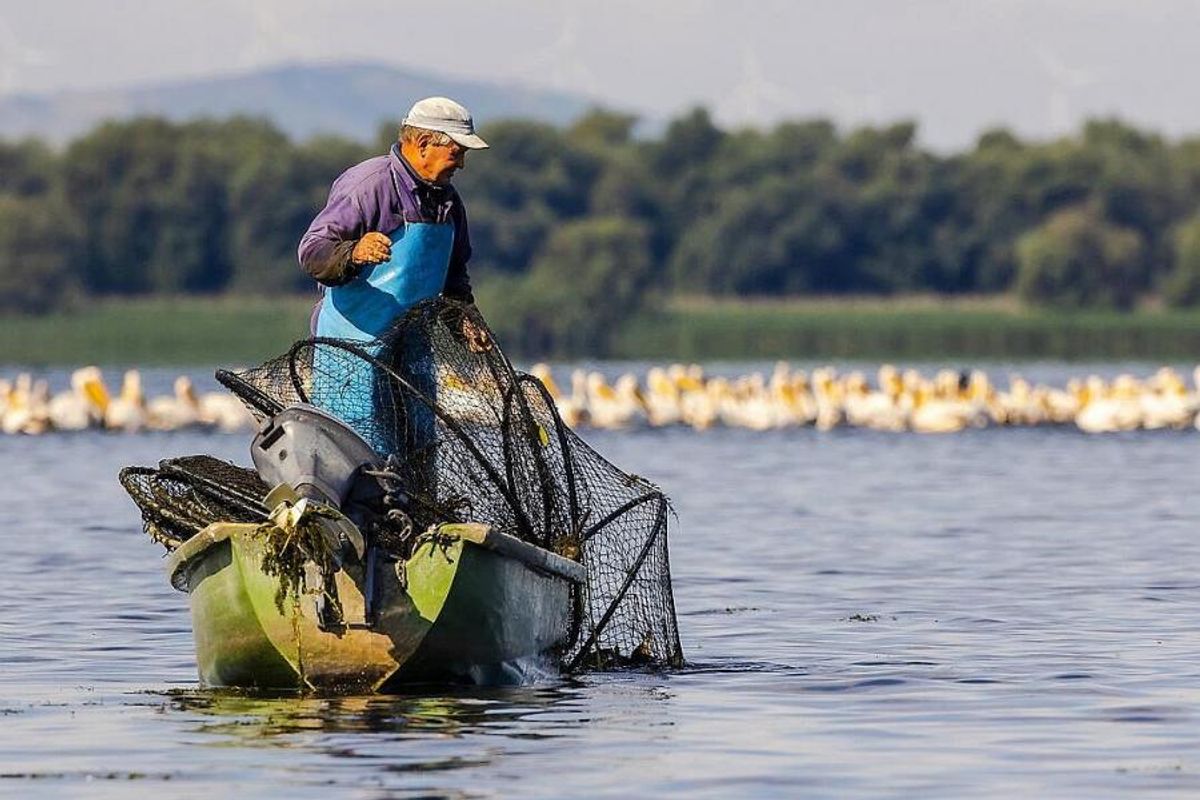
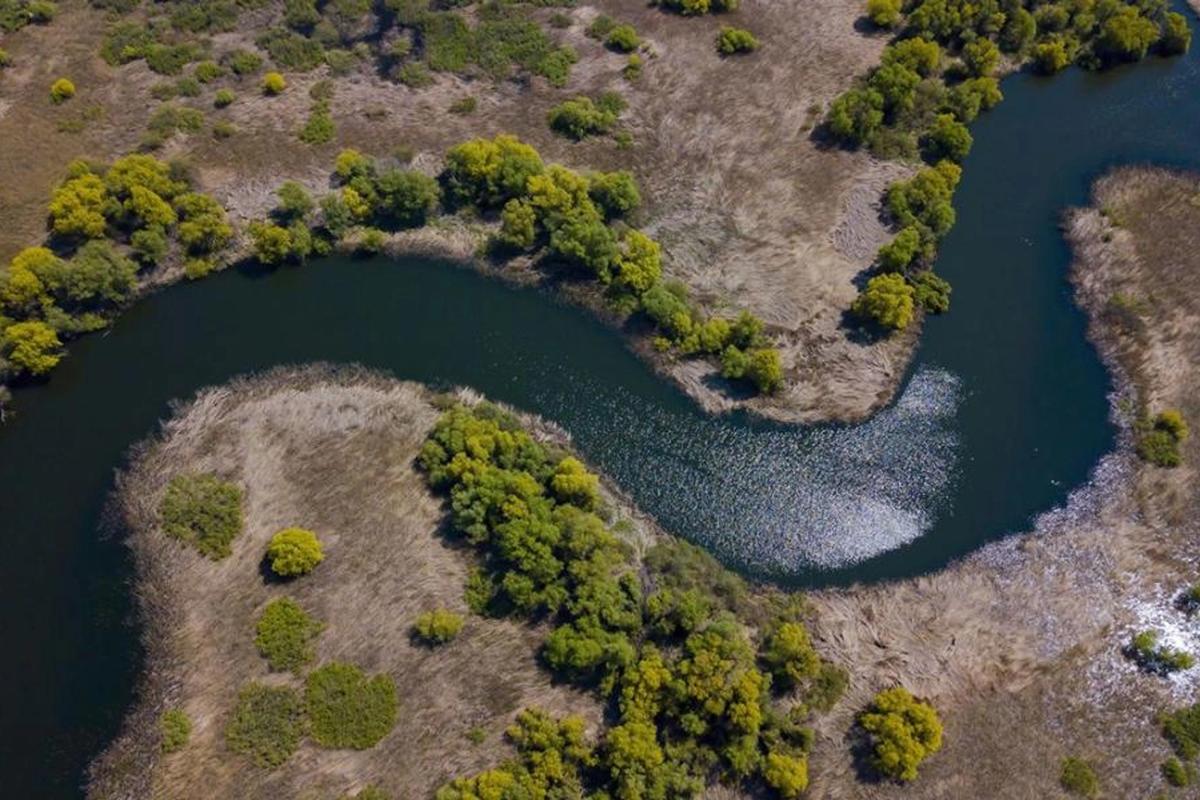
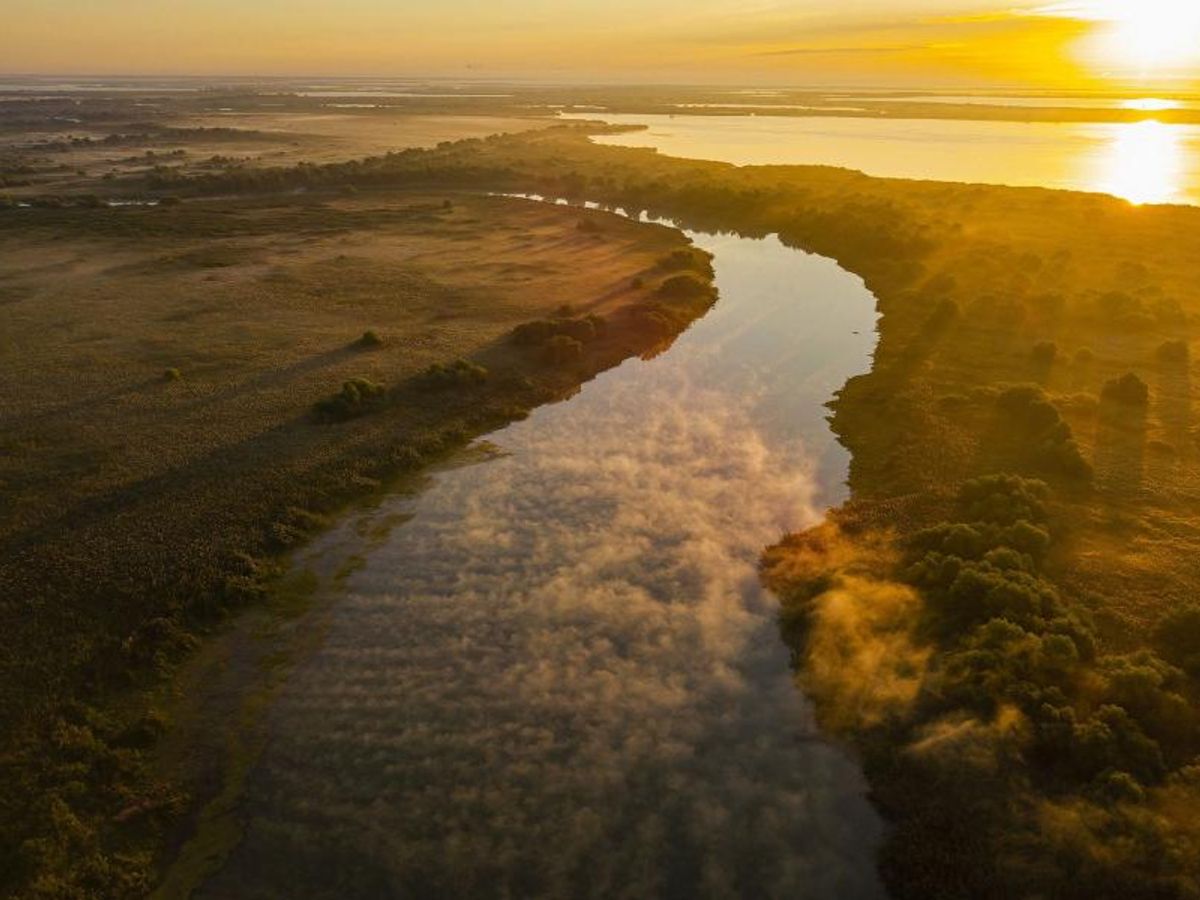
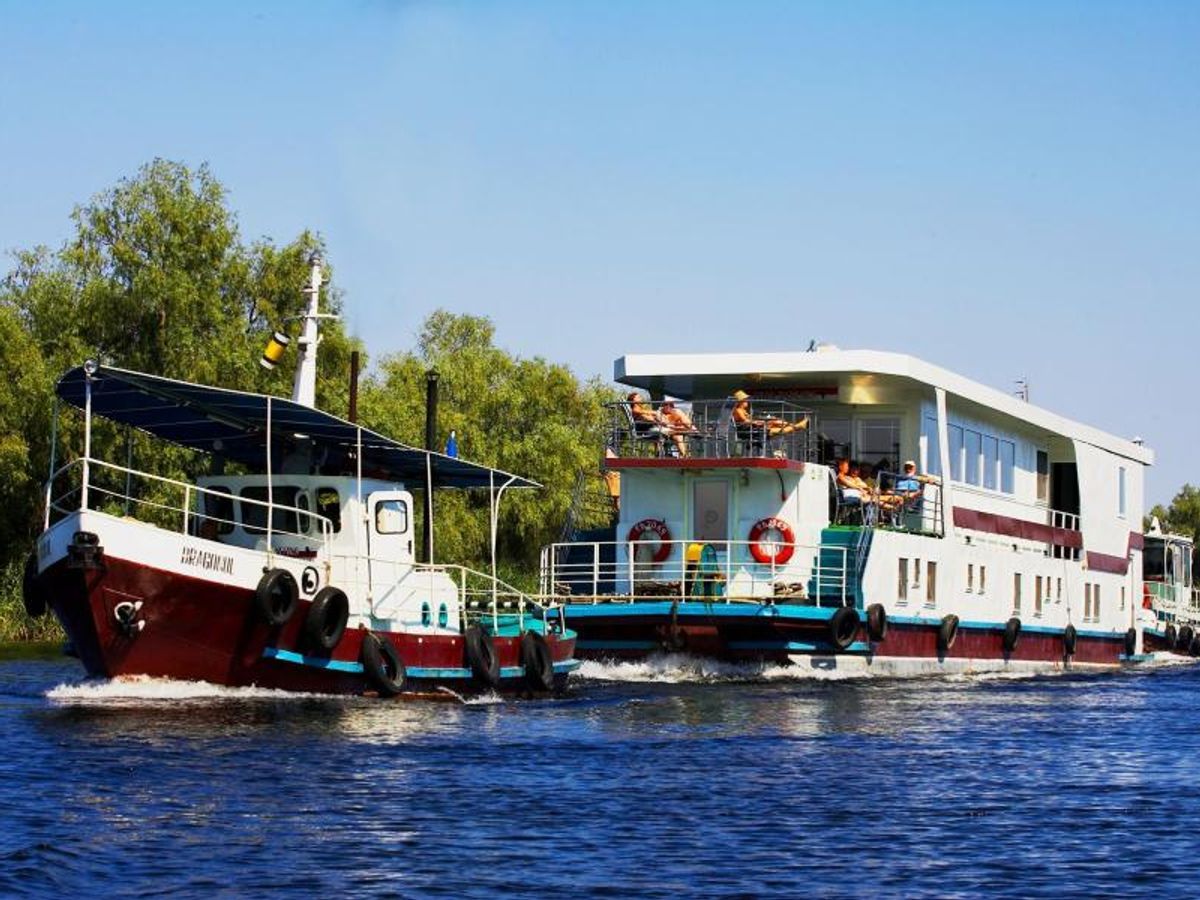
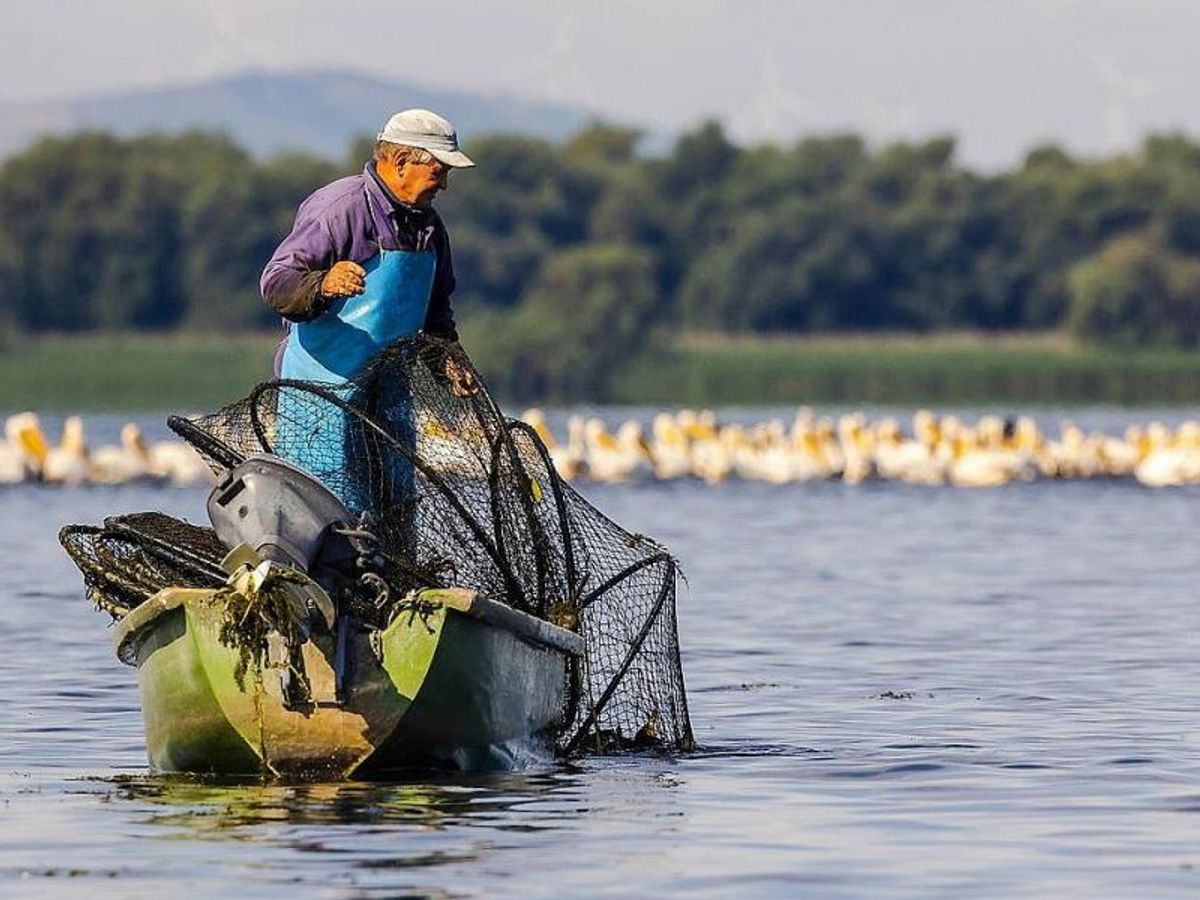
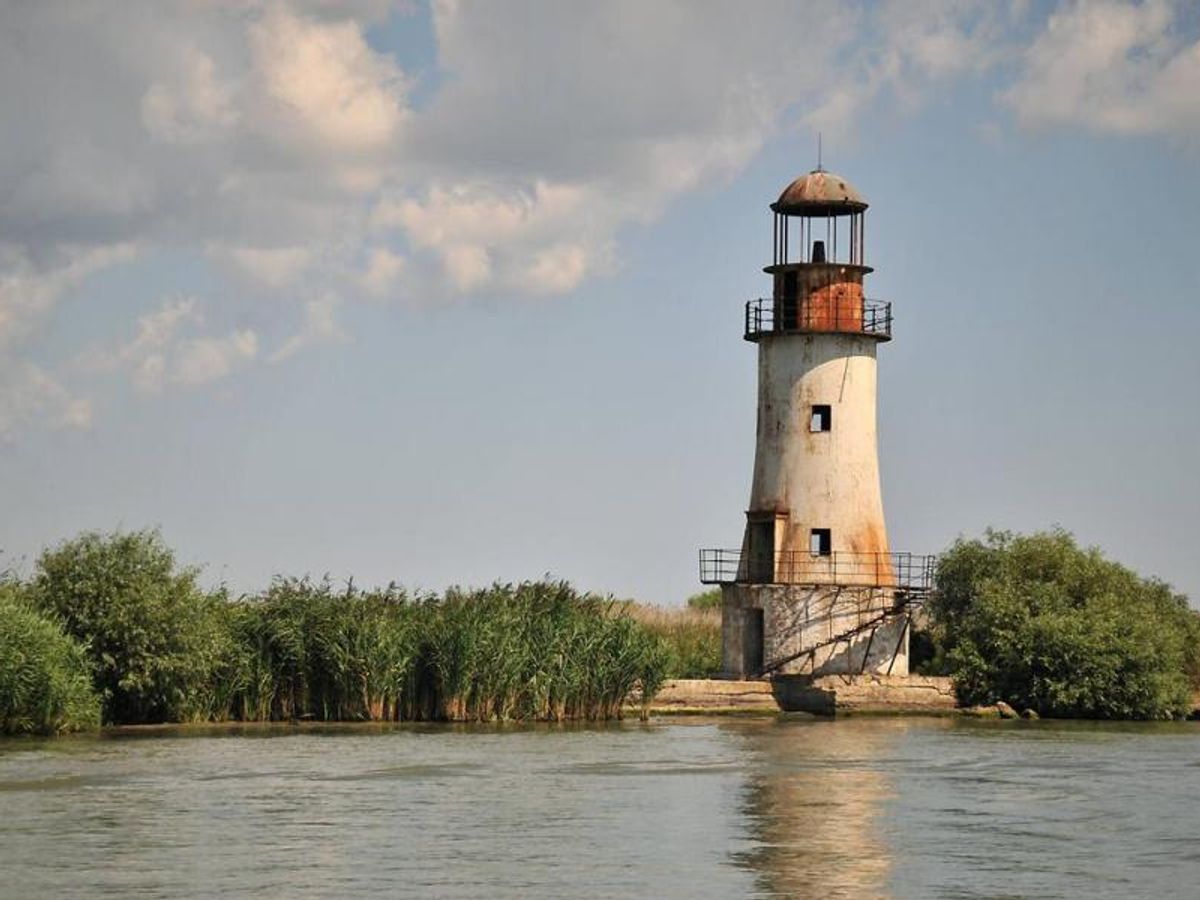
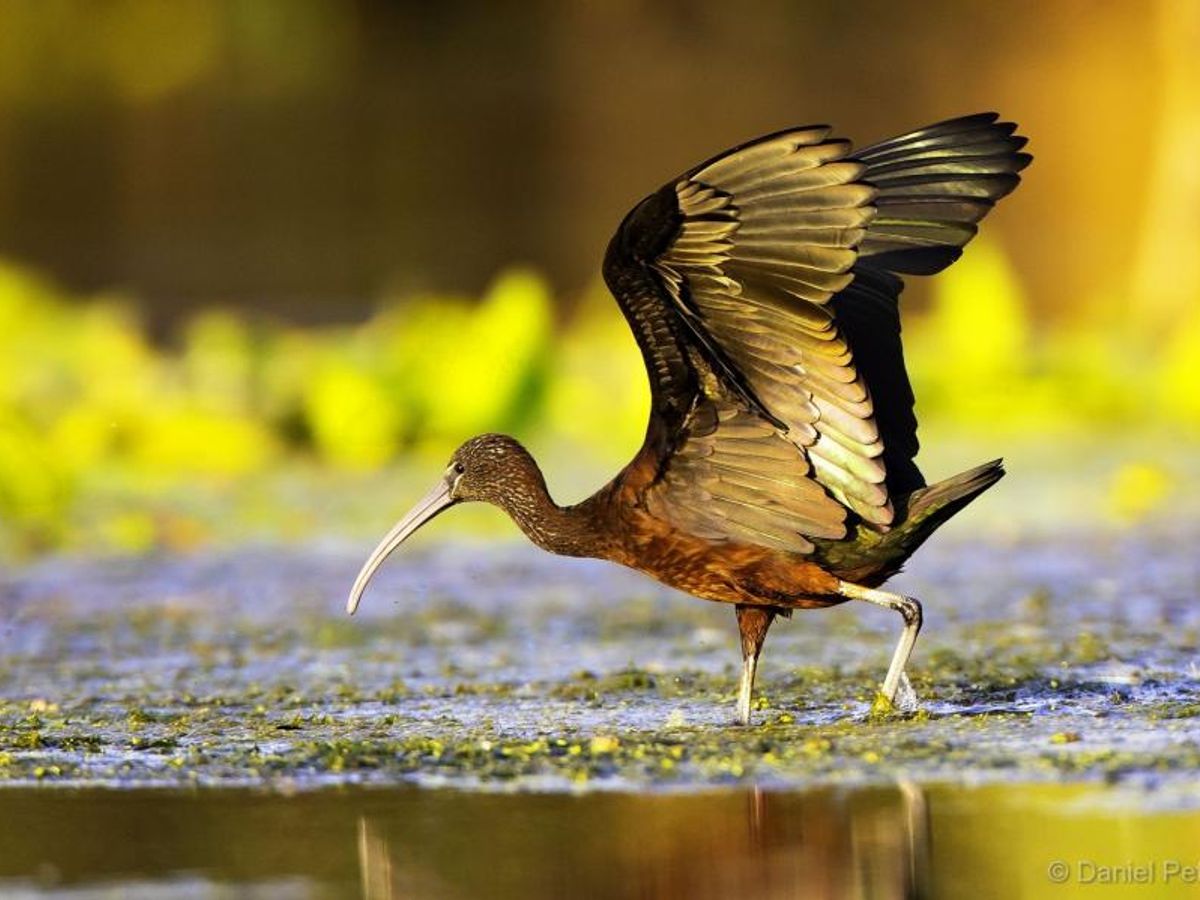
The Danube Delta and Black Sea coast shift the terrain entirely. This southeastern region is flat, wind-exposed, and ecologically extraordinary — one of Europe's largest wetland systems and a UNESCO World Heritage Site. Cycling through the delta means navigating small ferry crossings, reed-lined channels, and villages where fishing culture has changed little over generations. The coastal stretch toward Constanța adds a Mediterranean energy to the final miles. It's a route best suited to those who value biodiversity and open skies over mountain drama.

Maramureș in the far northwest is Romania's most culturally preserved region. Traditional wooden churches, horse-drawn carts on rural lanes, and communities maintaining century-old crafts make this area feel genuinely apart from modern Europe. The roads are narrow and occasionally rough, but traffic is minimal and the pace of life matches the pace of cycling. This region stands out for its authenticity — a quality that's increasingly rare across the continent.

Bucovina, in the northeastern corner of the country, is home to the painted monastery route — a circuit linking UNESCO-listed Orthodox monasteries decorated with extraordinary exterior frescoes. Voroneț, Sucevița, and Moldovița are the headline stops, connected by forested roads that carry almost no through traffic. The terrain is hilly but never extreme, and the cultural density per mile is exceptional.

Each of these five corridors has a distinct character, which means the best choice depends heavily on your priorities — and equally on the time of year you plan to travel.

When to Go: Best Time for Cycling in Romania

Timing your trip well is the single biggest factor separating a great cycling experience in Romania from a frustrating one. The core cycling season runs from May through September, with each month offering a noticeably different balance of weather, crowds, and road conditions across the country's varied terrain.

May and June are widely regarded as the sweet spot for most Romania cycling routes. Temperatures are comfortable — typically 15–24°C at lower elevations — wildflowers are in bloom across the Transylvanian plateau, and tourist infrastructure is open without being overwhelmed. Spring snowmelt can still affect higher mountain passes in early May, so it's worth checking conditions before committing to high-altitude routes.

July and August bring peak summer heat, particularly in the south and along the Black Sea coast, where temperatures regularly climb above 32°C. These months also coincide with domestic holiday traffic, meaning more vehicles on popular roads. On the other hand, the mountain regions of the Carpathians offer genuine relief — cooler air, spectacular scenery, and trails in their best condition. Coastal routes near Constanța, however, are best tackled early morning during this period.

September is arguably the most underrated month for cycling in Romania. Crowds thin out, harvest festivals animate village life, and the light turns golden across the Transylvanian countryside. Temperatures remain pleasant through mid-month before dropping noticeably after the autumn equinox. September tours consistently receive high satisfaction ratings from participants.

Regional differences matter more here than in many Western European destinations. Mountain passes above 1,500 metres can see frost as early as late September, while the Danube Delta remains warm and navigable well into October. Understanding these variations — and how they affect your chosen route — is exactly the kind of local knowledge that shapes whether you plan independently or with support, a decision worth thinking through carefully.

Guided vs Self-Guided Cycling in Romania

Choosing between a guided and self-guided format is one of the most consequential decisions you'll make when planning cycling holidays in Romania — and the right answer depends heavily on your comfort with uncertainty.

For first-time visitors, guided tours offer a distinct structural advantage in a country where cycling infrastructure is still developing. Romania sits outside Western Europe's well-worn tourist circuits, which means fewer English-language road signs, limited bike shops in rural areas, and less predictable accommodation availability. A local guide absorbs all of that friction. They handle route adjustments when mountain roads wash out, communicate with guesthouses in Romanian, and carry mechanical knowledge specific to the terrain. The range of guided cycling holidays in Romania spans budget-friendly group tours to fully staffed luxury experiences — so the format scales with your preferences.

Self-guided touring is entirely viable but demands more preparation. GPS route availability has improved considerably, with operators providing pre-loaded route files, turn-by-turn cue sheets, and pre-booked accommodation chains so you're not navigating logistics from scratch. In practice, self-guided cyclists report that rural Transylvania and the Danube Delta present the sharpest learning curve — not because the terrain is impassable, but because improvisational problem-solving requires local context that takes time to acquire.

Language is a practical consideration that solo cyclists often underestimate. Romanian is a Romance language, and basic phrasework is accessible, but English fluency drops significantly outside cities and tourist centres. A common pattern among experienced self-guided riders is downloading offline translation apps and carrying printed accommodation confirmations in Romanian — small steps that prevent real delays. Guided tours sidestep this entirely.

One area where both formats intersect is technology: e-bikes are increasingly reshaping what's possible on Romania's steeper mountain corridors — a development worth exploring in its own right.

E-Bike Options for Romania's Mountain Roads

E-bikes have transformed what's possible on a Carpathian cycling holiday, opening up high-altitude routes that would otherwise demand serious athletic conditioning.

The Carpathian terrain is genuinely demanding — sustained climbs, unpaved switchbacks, and remote passes are standard features, not exceptions. For most recreational cyclists, an e-bike doesn't feel like cheating; it feels like a practical tool that keeps the day enjoyable rather than exhausting. In practice, the assist allows riders to focus on the landscape — the forested ridgelines, the Saxon villages, the dramatic gorges — rather than simply surviving the gradient. That shift in experience is significant.

Tour availability has expanded noticeably in recent years. A growing number of operators now offer e-bike options alongside traditional road and mountain bike formats, particularly on tours covering Transylvania and the Bucovina region. Guided formats tend to be the safer bet for e-bike rentals specifically, since operators handle charging logistics, carry spare batteries on support vehicles, and know which segments genuinely benefit from electric assist.

Battery range is the practical concern that most riders underestimate. Romania's mountain routes can put real distance between charging opportunities. A standard e-bike battery typically delivers 60–110 kilometres of range depending on assist level, rider weight, and elevation gain — and sustained Carpathian climbing burns through that range faster than flat terrain would suggest. In remote areas, charging infrastructure is limited, which makes tour operators with dedicated support vehicles essential rather than optional.

With the equipment question answered, it's worth turning to what the roads themselves actually look like — because terrain, surface quality, and elevation profiles vary considerably depending on which region and route you choose.

What to Expect: Roads, Terrain and Fitness Levels

Romania's cycling landscape rewards every fitness level — but knowing what the roads actually feel like underfoot makes the difference between a great trip and a grinding one.

Road surface variety is the single most important factor to plan around before you arrive. Major touring routes in Transylvania and along the Danube combine stretches of smooth tarmac with sections of compacted gravel and, occasionally, rougher farm tracks. In practice, even "paved" routes can shift suddenly to cobblestone through village centres — charming to look at, less charming on a rigid fork.

Surface conditions by zone:

  • Lowland and Danube Delta routes — predominantly paved, flat to gently rolling, well-suited to hybrid or touring bikes
  • Transylvanian valleys — mixed surfaces; expect gravel connectors between villages and some unpaved forest roads
  • Carpathian mountain passes — technical tarmac climbs with steep gradients, best suited to road or e-bikes

Elevation profiles vary dramatically depending on the region. Transylvanian routes typically involve cumulative daily elevation gains of 450–900 metres, while Danube-following itineraries stay largely flat. Mountain passes such as Transfăgărășan push gradients above 10% — a serious challenge even for fit riders, though as covered in the previous section, e-bikes neutralise much of that sting.

Fitness matching matters more than raw speed. Beginner cyclists do well on the Danube and Saxon village loops, where daily distances of 40–65 kilometres keep effort manageable. Intermediate riders typically tackle 65–95 kilometre days through rolling Transylvanian terrain. Advanced cyclists targeting alpine passes should budget for shorter mileage days with significantly higher vertical gain.

One caveat worth noting: road quality across Romania can change without warning due to seasonal weather damage or ongoing infrastructure projects. Downloading offline maps and carrying basic repair supplies remains essential regardless of fitness level.

Once you've matched the terrain to your fitness, the natural next question is where you'll rest each night — and Romania's accommodation options are as varied and characterful as the roads themselves.

Where to Stay on a Romanian Cycling Holiday

Accommodation on a Romanian cycling holiday ranges from rustic village guesthouses to polished boutique hotels — and the options you choose shape the experience as much as the routes themselves.

Traditional guesthouses, known locally as pensiuni, are the backbone of rural cycling accommodation in Romania. Scattered throughout Transylvania, Maramureș, and the Apuseni Mountains, these family-run properties offer home-cooked meals, secure bike storage, and an authenticity that no chain hotel can replicate. Rates are genuinely affordable by Western European standards — a room with dinner often runs well under £40 per night — and hosts frequently share local route knowledge that doesn't appear on any map. In practice, booking pensiuni in advance during peak summer months (June through August) is strongly recommended, as the best-reviewed properties fill quickly.

Boutique hotels in Transylvania have grown significantly in quality over the past decade, particularly around Brașov, Sibiu, and Sighișoara. These properties combine restored historic architecture with modern amenities — think heated towel rails, proper bike washing stations, and curated breakfast spreads. These hotels are a natural fit for cyclists who want comfort after a long day in the saddle without sacrificing character.

Wild camping is a genuine option in Romania's less-populated regions, and it remains far more culturally accepted here than in much of Western Europe. The Carpathian highlands and Bucovina's rolling countryside offer dramatic overnight spots — though cyclists should carry a reliable water filter and confirm local land permissions before pitching.

Whatever your accommodation style, Romania rewards those who linger. And after a full day on the bike, you'll quickly discover that the country's food culture is every bit as compelling as its scenery.

Romanian Food and Drink for Cyclists

Romanian cuisine is one of the most underrated cycling fuels in Europe — hearty, calorie-dense, and built around the kind of slow-cooked comfort that tired legs genuinely need.

After a long day in the saddle, Romanian food doesn't disappoint. Meals here lean heavily on proteins and slow-release carbohydrates: think slow-braised pork, bean soups, polenta, and rich stews that replenish energy without requiring a search for a specialist sports nutrition store. Village guesthouses, as covered in the previous section, typically serve home-cooked meals that reflect this tradition — and the portions are generous by any standard.

Regional specialities worth seeking out include mămăligă (a dense cornmeal polenta often served alongside sour cream and cheese), ciorbă de burtă (tripe soup — an acquired taste, but a genuine recovery meal), and sarmale (stuffed cabbage rolls slow-cooked in tomato sauce). In Transylvania, smoked meats and aged cheeses are local staples, while the Danube Delta region delivers fresh fish dishes that provide excellent lean protein. Heading through Maramureș, artisan bread baked in wood-fired ovens is a routine roadside find.

Romania's wine culture adds another dimension to a cycling holiday. The country has over 15 designated wine regions, with Dealu Mare in Wallachia and the Cotnari region in Moldova among the most established. Routes through the Carpathian foothills frequently pass working vineyards where tastings are informal and prices are a fraction of Western European equivalents. The Târnave region in Transylvania produces crisp white wines that pair well with a rest-day afternoon.

With the food and drink landscape firmly in mind, it's worth turning attention to the practical logistics that make a Romanian cycling trip run smoothly — from getting there with your bike to navigating local road culture on arrival.

Practical Tips for Cycling in Romania

Romania rewards prepared cyclists and catches out the unprepared ones — knowing the logistics before you leave saves significant frustration on the road.

Getting There and Transporting Your Bike

Direct flights from several UK airports to Bucharest's Henri Coandă International Airport run year-round, with Wizz Air and other carriers serving the route. Cluj-Napoca is a useful alternative gateway for Transylvania-focused itineraries. Most airlines charge a bike transport fee — typically £40–£80 each way — and require the bike to be boxed or bagged. If you'd rather travel light, many tour operators offer quality rental bikes on arrival, which eliminates the packing headache entirely.

Visa and Entry Requirements

UK passport holders can enter Romania visa-free for short stays. Romania joined the Schengen Area in March 2024. Always confirm the latest entry rules with the FCDO travel advice for Romania before travel, as requirements can shift.

Safety, Road Etiquette, and Local Driving Culture

Romanian roads demand alertness. Rural and mountain routes are generally quiet and enjoyable, but national highways carry fast-moving traffic and trucks that don't always give cyclists generous space. In practice, sticking to secondary roads and mapped cycling routes dramatically reduces exposure to aggressive driving. Wearing a helmet is strongly recommended, and a rear light is worth running even in daylight on busier stretches. Route selection is the single biggest safety variable.

What to Pack

Beyond standard cycling kit, a few items earn their weight in Romania specifically:

  • Puncture repair tools and a spare tube — bike shops are sparse outside major cities
  • Cash in Romanian Leu (RON) — many rural guesthouses and markets don't accept cards
  • A light rain layer — weather in the Carpathians changes fast, even in summer
  • Sun protection — exposed valley roads offer little shade during peak afternoon heat
  • Offline maps — mobile coverage drops in remote mountain areas

With logistics sorted, the only remaining question is whether Romania is the right fit for your next cycling holiday — and that depends on exactly what kind of rider you are.

Is Romania Right for Your Next Cycling Holiday?

Romania is one of Europe's most rewarding cycling destinations for riders who want dramatic landscapes, genuine cultural immersion, and far fewer crowds than the continent's headline routes. If you're drawn to untamed mountain passes, medieval villages, and a sense of discovery that's increasingly rare in cycling travel, Romania delivers on all fronts.

Best suited for: Romania works especially well for intermediate to experienced cyclists who can handle mixed road surfaces and variable infrastructure. Adventurous beginners on guided tours will also thrive, particularly on the flatter Danube Delta and Transylvanian plateau sections. It's less suited to riders who prioritise polished bike paths and dense service networks over raw terrain and authenticity.

Compared to established cycling destinations like France, Italy, or Austria, Romania offers a compelling trade-off. Those countries have world-class cycling infrastructure and route signage. Romania counters with dramatically lower costs, negligible tourist traffic on its best roads, and landscapes that genuinely surprise. The Carpathians rival the Alps for scenic impact — at a fraction of the price and the crowd density.

The practical groundwork is straightforward. Guided packages handle logistics, while self-guided cyclists who prepare carefully — carrying tools, downloading offline maps, and understanding road conditions — report deeply satisfying experiences. Romania rewards effort and exploration. The harder you look, the more it gives back.

If you've been searching for a cycling holiday that still feels like an expedition, Romania is ready for you. Start planning your route now.