Bike tour
Luxury Burgundy Loop
Luxury cycling holiday in Burgundy with scenic backroads, vineyard rides, exceptional food and wine, and stays in beautiful boutique hotels. Slow, indulgent, unforgettable.

Rob
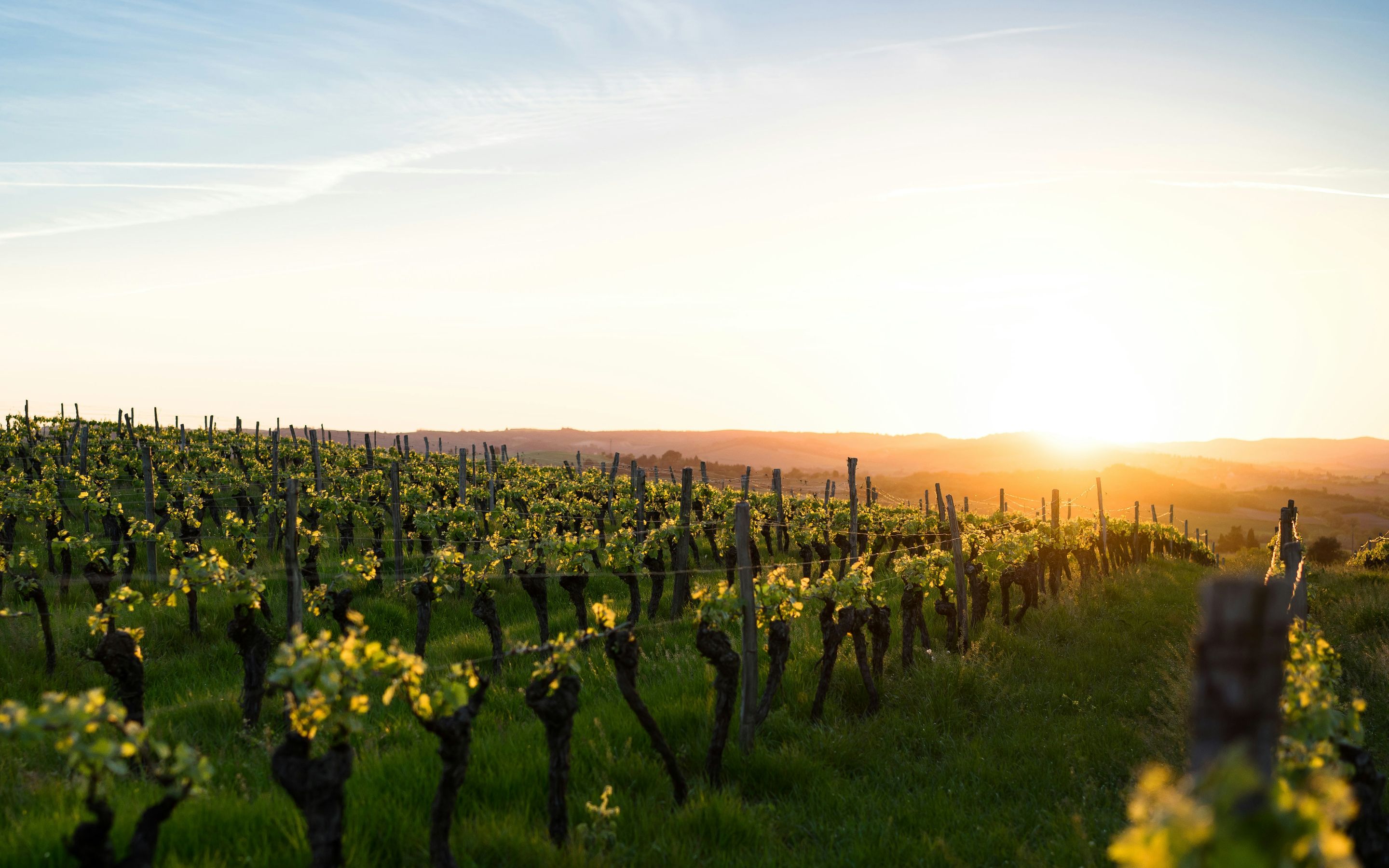
Wine region cycling tours combine two of life's greatest pleasures, exploring beautiful landscapes under your own power and tasting exceptional wines produced from those very vineyards you've cycled through. The rhythm matches perfectly: morning cycling through terraced hillsides or valley floors, midday lunch featuring local cuisine paired with regional wines, afternoon tastings at family cellars or prestigious châteaux, evening reflection over dinner with bottles you've personally selected during the day's discoveries.
Wine regions create ideal cycling territory. rolling vineyard-covered hills, quiet country lanes connecting wine villages, compelling destinations every few kilometres, and the promise of well-earned refreshment awaiting each day's conclusion.
This comprehensive guide explores Europe's premier wine cycling regions, what makes wine-focused tours special, and how to choose your perfect viticultural cycling adventure.
Wine regions occupy specific geography favouring both viticulture and cycling. Gently rolling hills provide drainage and sun exposure vines require while creating varied, interesting cycling without extreme climbing. Valley floors offer flat riverside paths linking hillside vineyards. Medieval wine villages cluster every 5-15 kilometres, creating natural stage points.
Wine country roads typically see light traffic, agricultural routes serving villages rather than through-traffic corridors. This combination of beautiful scenery, manageable terrain, and quiet roads produces exceptional cycling environments.
Wine regions possess deep cultural identities shaped by centuries of viticulture. Architecture reflects wine wealth—grand château estates in Bordeaux, stone bergeries in Provence, whitewashed quintas in Douro Valley, ornate winzerhäuser in Germany. Village life revolves around harvest cycles, seasonal celebrations, and wine traditions.
Cycling provides intimate cultural immersion impossible from cars. You'll encounter vineyard workers, chat with winemakers at cellar doors, and experience agricultural rhythms authentically.
Wine regions produce outstanding food, centuries of wine culture created culinary traditions celebrating local ingredients and seasonal abundance. Regional specialties pair perfectly with local wines, and winemaking families often operate restaurants showcasing both.
Wine tour dining ranges from casual picnics amid vines to Michelin-starred restaurants, vineyard lunches, and farmhouse dinners where winemakers share family wines with home-cooked cuisine.
Wine tastings naturally structure cycling days - motivating morning rides toward anticipated tastings, providing midday refreshment and rest, and creating evening destinations. The rhythm prevents over-cycling while ensuring satisfying daily distances.
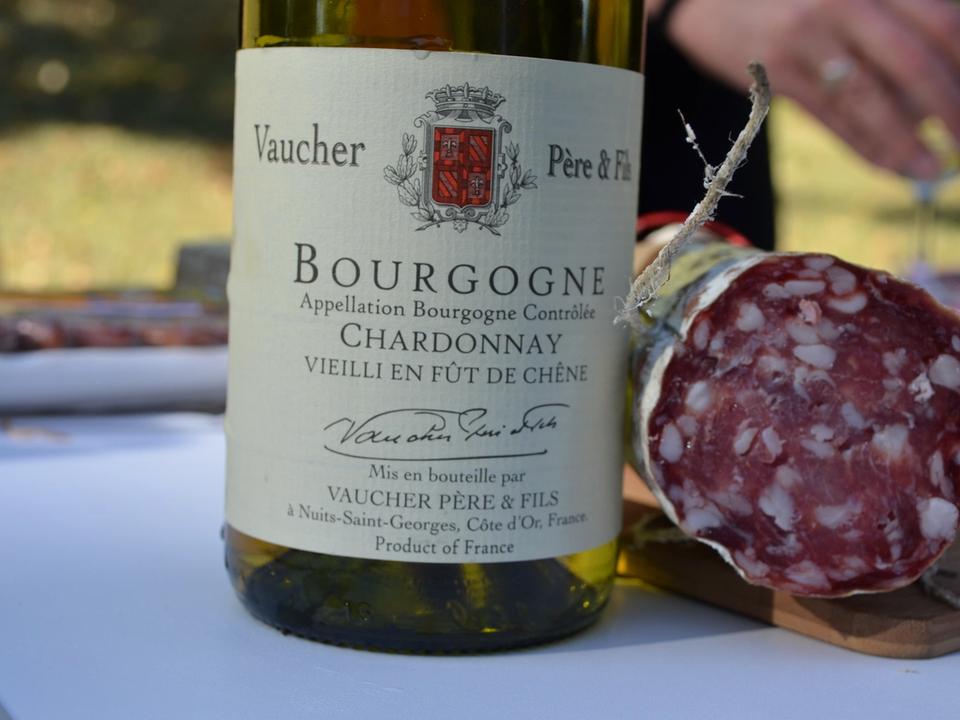
Burgundy represents wine cycling aristocracy. The Côte d'Or's legendary vineyards—Gevrey-Chambertin, Vosne-Romanée, Meursault, Puligny-Montrachet—line gentle hillsides above valley cycle paths. Historic wine villages cluster every 5-10 kilometres, each offering tasting opportunities ranging from modest domaines to grand négociants.
Luxury cycling holiday in Burgundy with scenic backroads, vineyard rides, exceptional food and wine, and stays in beautiful boutique hotels. Slow, indulgent, unforgettable.
Cycling follows the Route des Grands Crus through vineyard-covered slopes, the Voie des Vignes valley path, and quieter routes exploring Hautes-Côtes regions. Terrain remains predominantly flat to gently rolling—accessible to all fitness levels.
Beaune provides the ideal base, medieval wine capital offering excellent accommodation, outstanding restaurants, and central access to Côte de Beaune and Côte de Nuits appellations.
Optimal timing: September-October for vendange (harvest) atmosphere and autumn colors. May-June offers spring vineyard beauty and fewer crowds.
Wine experiences: Négociant cellars beneath Beaune, small domaine tastings, village caves coopératives, and private tastings arranged through tour operators.
Bordeaux wine country spans vast areas—Médoc, Graves, Saint-Émilion, Pomerol, Sauternes—each offering distinct cycling experiences. The landscape impresses through architectural grandeur rather than dramatic topography—elegant château estates, manicured vineyards, and stately proportions.
Saint-Émilion provides particularly excellent cycling—UNESCO-listed medieval town surrounded by prestigious vineyards, rolling terrain, and concentrated tasting opportunities. The town's limestone cliffs house ancient wine cellars perfect for post-cycling exploration.
Médoc cycling follows quiet roads through forest and vineyard, connecting famous estates like Margaux, Pauillac, and Saint-Estèphe appellations. Terrain remains predominantly flat—easy cycling allowing focus on château architecture and wine culture.
Optimal timing: September-October for harvest season. June-July offers warm weather and full vineyard canopy.
Wine experiences: Grand cru classé château tours, garage wine discoveries, and blending workshops.
Tuscany's wine regions - Chianti Classico, Brunello di Montalcino, Vino Nobile di Montepulciano, Bolgheri, create iconic cycling landscapes of cypress-lined roads, hilltop villages, and terracotta-roofed agriturismos.
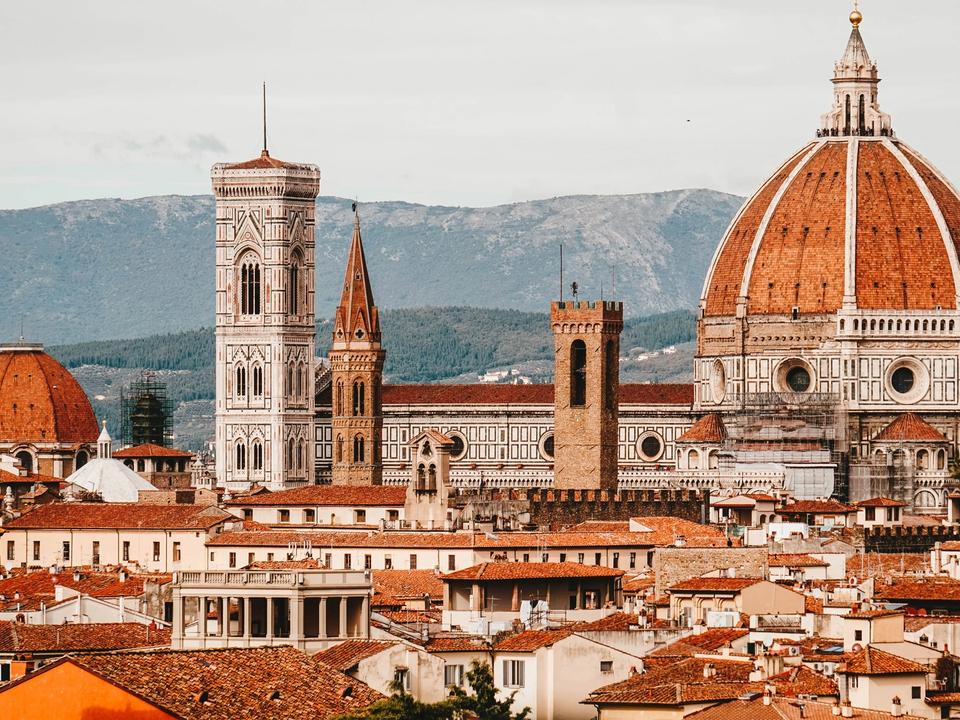
Cycle from Pisa to Florence in 5 days through Tuscan vineyards, olive groves and the grand villas of Lucca, finishing at the Ponte Vecchio.
Chianti Classico provides classic wine cycling—rolling vineyard hills connecting medieval villages like Greve, Panzano, Castellina, and Radda. Routes balance beautiful scenery with manageable climbing—moderate fitness handles daily rides comfortably.
Montalcino and Montepulciano regions offer hillier terrain rewarded by stunning Val d'Orcia views and exceptional Sangiovese-based wines. Coastal Bolgheri combines seaside cycling with Super Tuscan discoveries.
Optimal timing: May-June for spring wildflowers. September-October for vendemmia (harvest) and comfortable temperatures.
Wine experiences: Family winery visits, Super Tuscan tastings, agriturismi lunches with estate wines, and truffle hunting combined with wine.
The Douro Valley's dramatic terraced vineyards rising from the river create spectacular cycling backdrops. Port wine quintas (estates) perch on hillsides offering tastings with panoramic views.
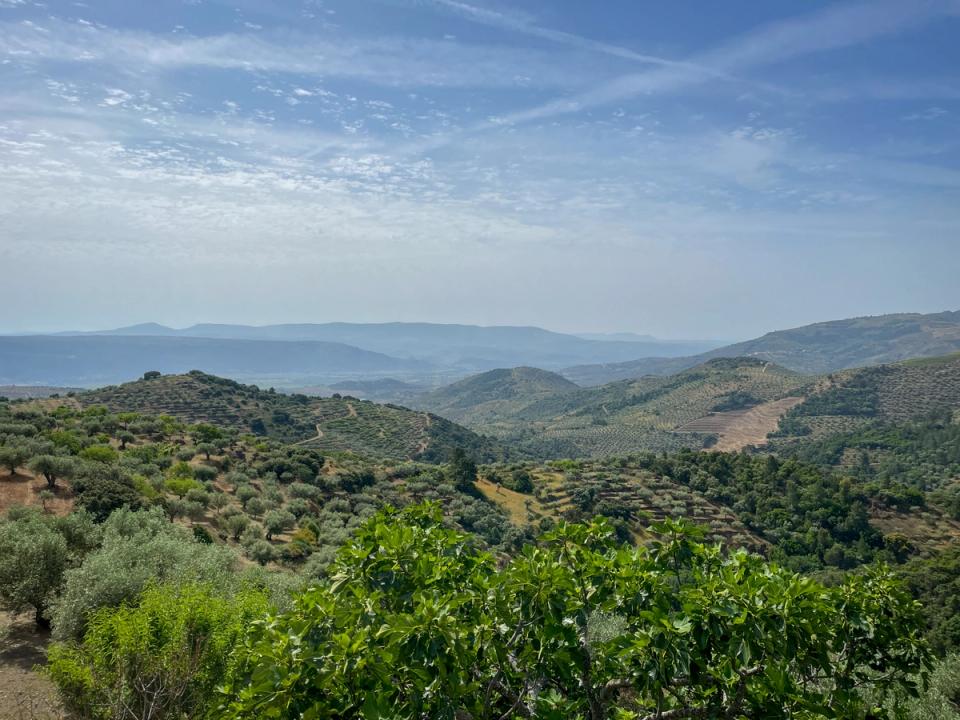
Discover Portugal by bike on this Douro Valley tour, with wine terraces, charming towns and a river cruise into Porto.
Cycling follows riverside roads—predominantly flat with optional challenging climbs into terraced vineyards. The combination of dramatic scenery, Port wine culture, and affordable luxury makes the Douro exceptional value.
Traditional rabelo boats, formerly transporting Port barrels to Porto cellars, now offer river cruises complementing cycling—pedal upstream, cruise downstream, combining perspectives.
Optimal timing: September-October for harvest season atmospherics. May-June offers comfortable temperatures and spring vineyard growth.
Wine experiences: Quinta tastings (Port and table wines), traditional lagares (foot-treading tanks), cellar tours, and winemaker dinners.
Germany's Moselle Valley combines dramatic river scenery with steep Riesling vineyards and charming wine villages. The Mosel-Radweg (Moselle Cycle Path) follows the river for 240 kilometers through pristine cycling territory.
Villages like Bernkastel-Kues, Traben-Trarbach, and Cochem offer exceptional architecture, riverside atmosphere, and family wineries producing world-class Riesling. The valley's slate slopes create distinctive mineral-driven wines perfect for food pairing.
Cycling remains predominantly flat following the riverside—leisurely cycling allowing focus on scenery and wine culture rather than fitness demands.
Optimal timing: September-October for harvest. May-June offers spring beauty and asparagus season (celebrated regionally).
Wine experiences: Family weingut tastings, Riesling diversity exploration, steep vineyard visits, and wine festivals.
Piedmont's Langhe hills—home to Barolo and Barbaresco—combine world-class Nebbiolo wines with white truffles, hazelnuts, and outstanding cuisine. The landscape rolls dramatically with vineyard-covered slopes, hilltop villages, and castle-topped ridges.
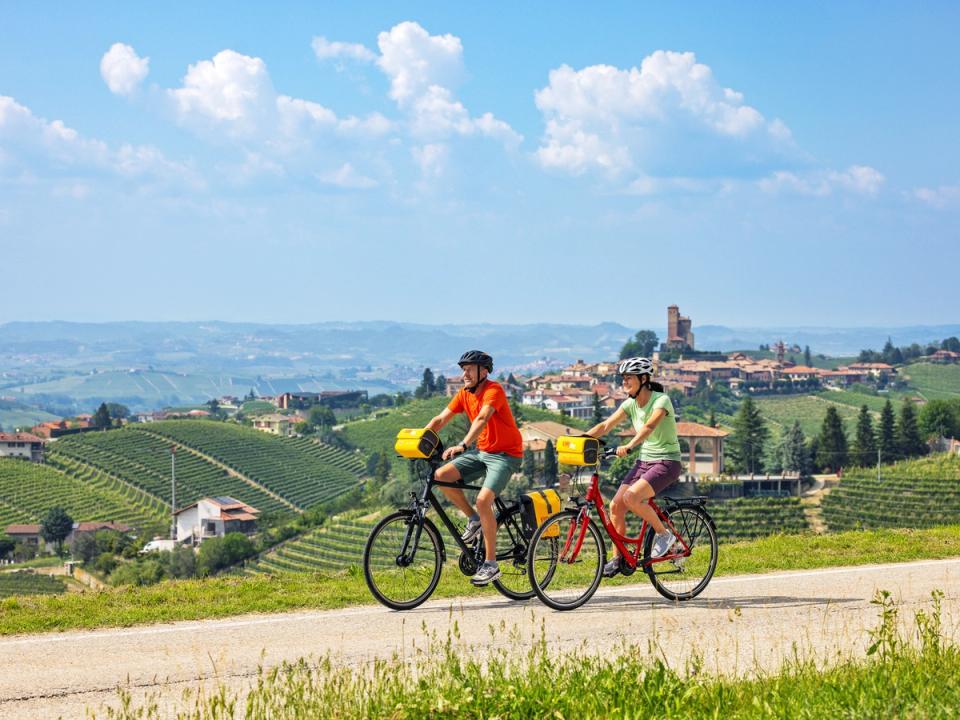
Cycle the Piedmont Gourmet Loop in Northern Italy, exploring rolling hills, charming towns, and tasting exquisite local cuisine and renowned wines on this unforgettable tour.
Cycling challenges more than other wine regions—significant climbing rewards you with spectacular views and exceptional wines. Moderate to good fitness necessary for enjoyable experiences.
Alba provides central access to Barolo, Barbaresco, and Roero regions. October-November truffle season adds culinary dimension, though September-October offers better cycling weather.
Wine experiences: Barolo vertical tastings, cellar tours in medieval castles, family producers, and truffle-hunting excursions with truffle-based dinners.
Rioja's vineyard landscapes extend across valleys and hillsides surrounding medieval towns like Haro, Laguardia, and Elciego. Modern architectural wineries contrast with traditional bodegas, and the region balances wine heritage with contemporary innovation.
Cycling terrain varies from flat valley floors to rolling hills—moderate difficulty overall. The region sees fewer international wine tourists than France or Tuscany, offering authentic Spanish wine culture.
Optimal timing: September-October for vendimia (harvest). April-June offers comfortable temperatures and spring landscapes.
Wine experiences: Traditional underground calaos, modern architectural bodegas (Marqués de Riscal's Gehry building), small family producers, and pintxos (tapas) paired with Rioja.
Guided wine cycling tours provide seamless experiences—guides arrange tastings at prestigious and family wineries, facilitate cultural insights, manage logistics, and ensure group pacing suits everyone. Support vehicles transport wine purchases, eliminating carrying concerns.
Guides often possess sommelier training or winemaking backgrounds, enriching tasting experiences through technical expertise. Group dynamics introduce wine enthusiasts to like-minded travellers.
Self-guided wine tours offer flexibility and privacy while providing route planning, accommodation, and tasting arrangements. You cycle independently using GPS files, stopping where and when you choose. Pre-arranged tastings ensure cellar access while allowing spontaneous discoveries.
This format suits couples or small groups wanting autonomy combined with infrastructure support.
Some wine regions—Burgundy, Bordeaux, Moselle—offer bike and barge combinations. Accommodations float on rivers paralleling wine regions. You cycle wine country daily, returning to your floating hotel traveling to new regions overnight.
This format maximises wine region coverage while maintaining comfortable, mobile accommodation.
During cycling: Support vehicles on guided tours transport purchases. Self-guided cyclists can arrange end-of-day winery deliveries to accommodation or ship purchases home directly (many wineries offer international shipping).
Taking wine home: Airlines allow limited wine quantities in checked luggage. Bubble wrap, wine shipping boxes, and careful packing essential. Alternatively, ship wine home via specialist services or winery arrangements.
Pace yourself: Cycling and wine tasting require moderation. 2-3 serious tastings daily proves optimal—more creates palate fatigue and potential safety issues.
Use spittoons: Professional tasting involves spitting rather than swallowing. This allows evaluating wines without intoxication affecting cycling safety.
Hydrate constantly: Alcohol and cycling both dehydrate. Drink water between tastings and during cycling.
Plan rest breaks: Afternoon breaks after tastings allow wine effects to wear off before evening cycling.
Wine region cycling peaks during harvest—September-October across most European regions. This timing offers ideal weather, harvest atmospherics, and seasonal cuisine, but creates higher demand and pricing.
Spring (May-June) provides excellent alternatives—beautiful vineyards, comfortable temperatures, fewer crowds, and lower prices. Avoid midsummer heat in southern regions.
Wine cycling tours attract wine enthusiasts wanting active holidays, cyclists seeking cultural depth beyond athletic achievement, couples celebrating occasions, and small friend groups sharing wine interests.
These tours suit moderate fitness levels, terrain challenges exist but rarely extreme. The focus balances cycling pleasure with wine discovery rather than prioritising either exclusively.
Wine region cycling tours deliver multi-sensory experiences - visual beauty of vineyard landscapes, physical satisfaction of cycling achievements, cultural immersion in wine traditions, and sensory pleasure of exceptional wines paired with regional cuisine.
You'll remember spectacular terraced hillsides, conversations with passionate winemakers, lunches overlooking vineyards with local wines, and evenings comparing the day's discoveries over dinner.
Your wine-soaked cycling escape awaits—European vineyards, passionate producers, and the perfect combination of pedalling and sipping.