Bike tour
Algarve - Sagres to Tavira
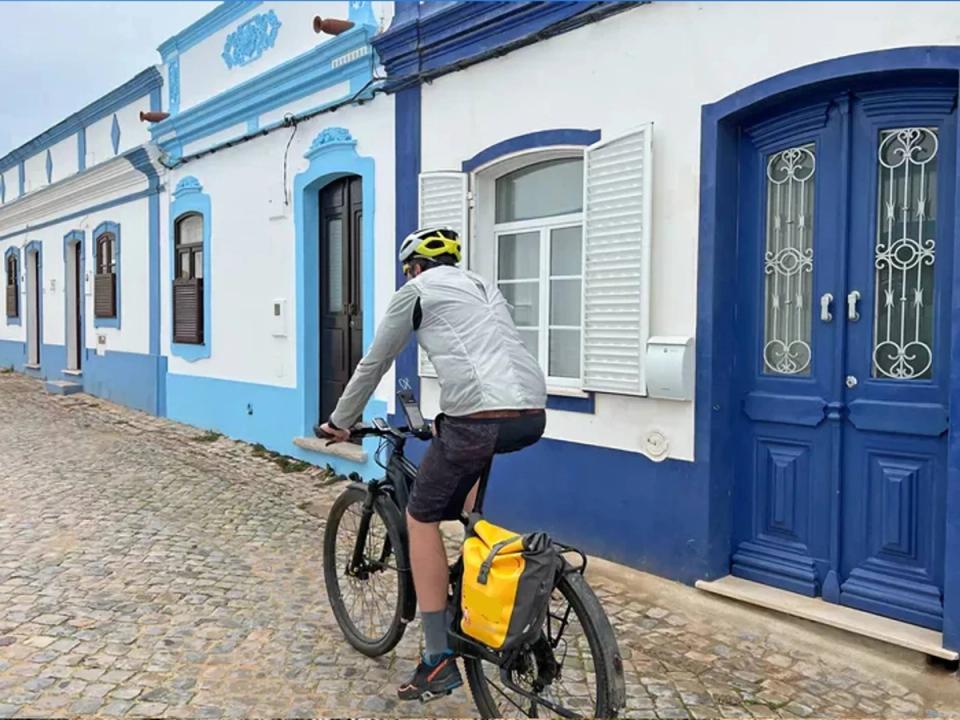
Discover Portugal’s Algarve on a cycling holiday. Explore beaches, fishing villages, Faro, Tavira and the Ria Formosa Natural Park.

Rob
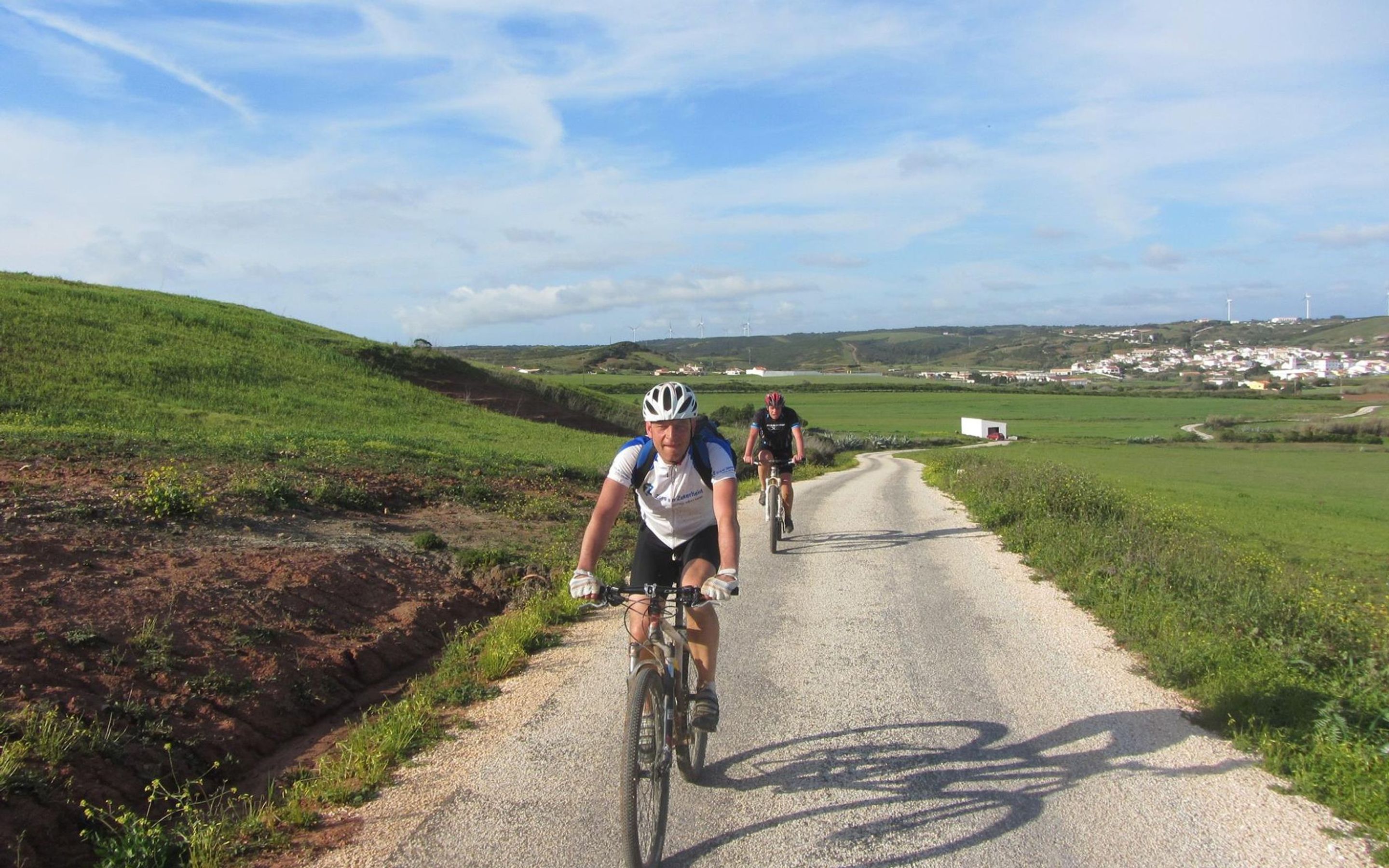
Portugal offers European cycling's best-kept secret, stunning coastal routes, rolling wine country, authentic culture, and exceptional value, all without the crowds plaguing Spain, France, or Italy. From the Algarve's golden beaches and dramatic cliffs to the Douro Valley's terraced vineyards and Alentejo's cork forests, Portuguese cycling delivers diverse landscapes, welcoming locals, and that perfect combination of sunshine and affordability. This is cycling where budget stretches further, roads remain quieter, and discovery feels genuine rather than packaged for tourists.
Portugal's Atlantic-influenced climate provides reliable cycling weather throughout most of the year. The Algarve maintains Mediterranean warmth even in winter, making it Europe's premier destination for December-February cycling when northern Europe shivers. Spring arrives early (March), and autumn extends late (November), creating exceptionally long cycling seasons.
Over 300 annual sunshine days in southern regions guarantee weather reliability for holiday planning. While occasional winter rain occurs, predominantly sunny conditions prevail even during traditionally wet months.
Portuguese cycling holidays cost 25-40% less than equivalent Italian, French, or Spanish tours while maintaining comparable quality. Accommodation, dining, and wine prices remain remarkably affordable. A three-course dinner with wine costs €15-25 per person, half the price of similar meals in Tuscany or Provence.
This value extends budgets significantly. The money saved compared to traditional cycling destinations covers additional days, upgraded accommodations, or simply leaves more for wine, port, and local treasures to bring home.
Portugal hasn't experienced the mass tourism overwhelming Spain's Costa del Sol or Italy's Tuscan hilltowns. You'll encounter genuine Portuguese culture, locals living traditional lives rather than performing for tourists. English proficiency runs reasonably high in tourist areas, but learning basic Portuguese phrases earns warm appreciation.
Discover Portugal’s Algarve on a cycling holiday. Explore beaches, fishing villages, Faro, Tavira and the Ria Formosa Natural Park.
Portuguese hospitality genuinely welcomes visitors. Slower pace, relaxed attitudes, and pride in sharing their under appreciated country create memorable interactions impossible in over-touristed regions.
The Ecovia do Litoral follows Portugal's southern coastline for 214 kilometres from the Spanish border to Cape St. Vincent - Europe's southwestern tip. This predominantly flat route combines dedicated cycle paths with quiet coastal roads, creating accessible cycling for all abilities.
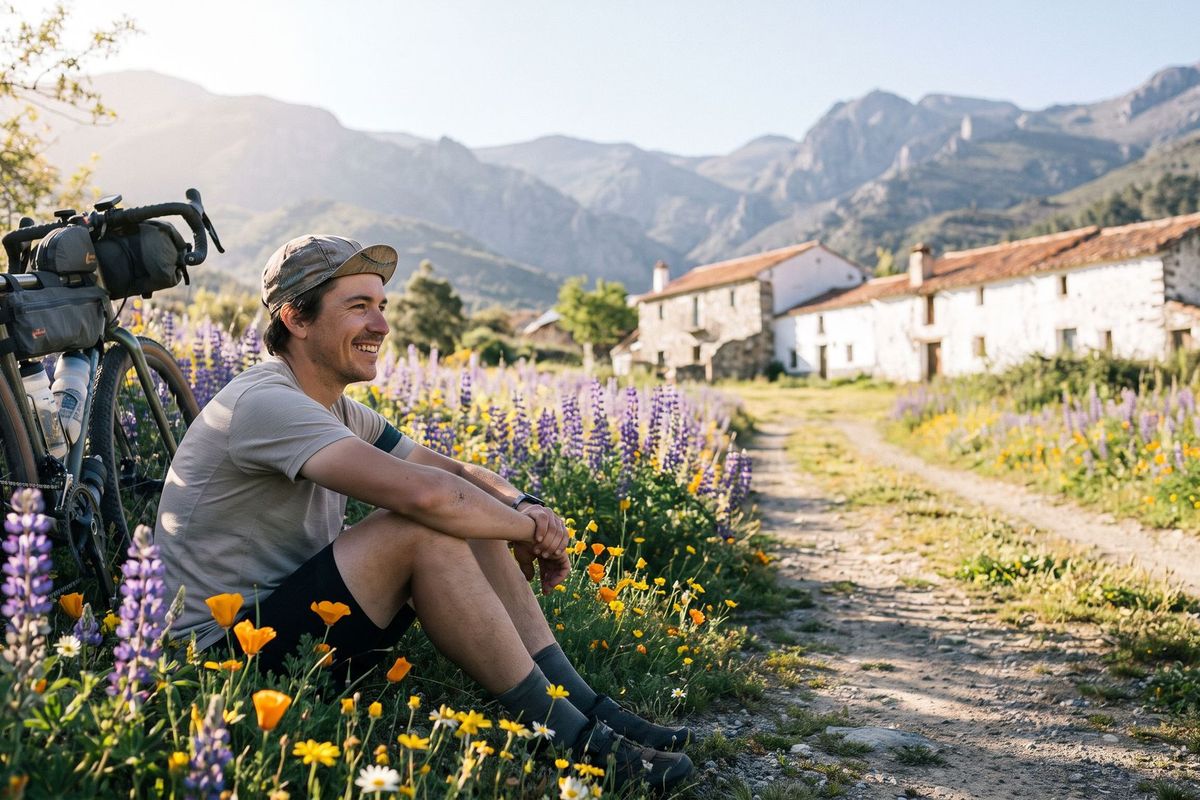
Golden beaches punctuate dramatic limestone cliffs rising from turquoise Atlantic waters. Traditional fishing villages Tavira, Olhão, Ferragudo - preserve authentic character despite tourism. Spring wildflowers carpet coastal paths, while winter maintains comfortable 16-20°C temperatures.
The route divides naturally into comfortable daily sections of 40-60 kilometres. Overnight stays in coastal towns provide beach access, seafood restaurants, and authentic Portuguese atmosphere. E-bikes make occasional coastal climbs effortless, though terrain remains manageable for conventional bikes.
The western Algarve from Lagos to Sagres delivers Portugal's most spectacular coastal cycling. Towering cliffs, hidden coves, and that dramatic cape where Portuguese navigators once believed the world ended create stunning backdrops. The route challenges more than eastern sections with proper coastal climbing, but rewards with incredible photography and authentic village culture.
Sagres and Cape St. Vincent offer powerful experiences—windswept clifftops, fortress walls, and that sense of standing at continent's edge. The achievement of cycling to this historically significant point creates memorable tour conclusions.
Distance: Eastern Algarve 140km, Western Algarve 75km
Difficulty: Easy eastern sections, moderate western climbing
Best time: Year-round; ideal March-June, September-November
The Douro Valley produces Port wine through impossibly terraced vineyards cascading down steep hillsides. This UNESCO World Heritage landscape transforms dramatically with seasons—fresh green spring growth, summer's intense heat creating deep colours, autumn's golden harvest.
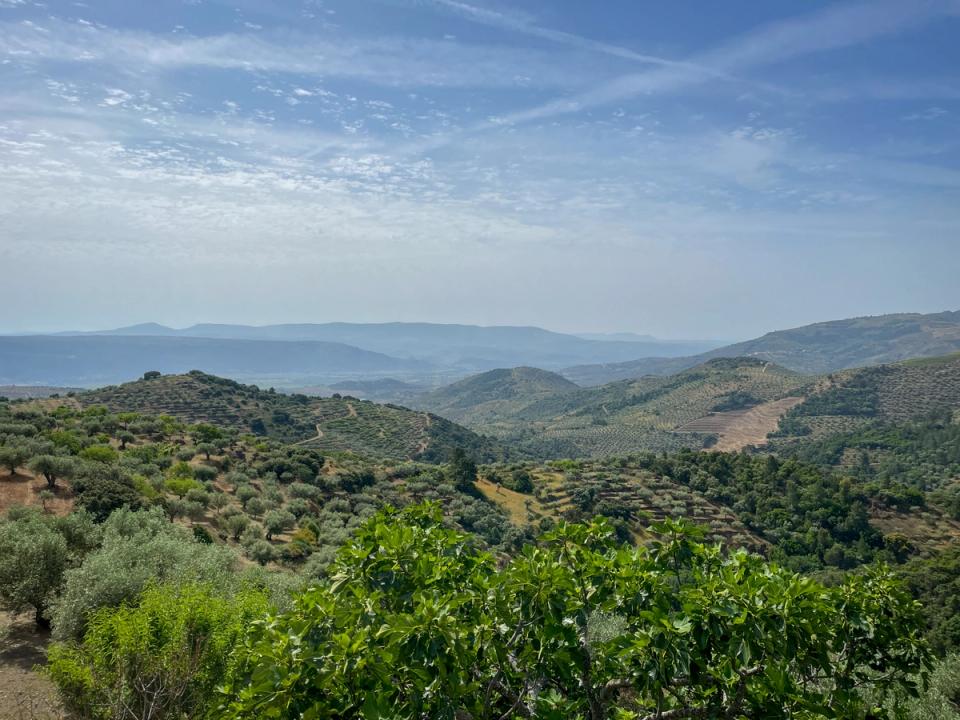
Discover Portugal by bike on this Douro Valley tour, with wine terraces, charming towns and a river cruise into Porto.
Cycling the valley combines riverside flat sections with challenging hillside climbs rewarded by spectacular panoramas. The Douro River provides navigation reference and stunning reflections of surrounding hills. Traditional quintas (wine estates) welcome visitors for tastings, tours, and often luxury accommodations.
Port wine defines Douro Valley culture. Tawny, Ruby, Vintage, and Late Bottled Vintage Ports reflect centuries of winemaking tradition. Estate visits reveal production processes—from terraced harvesting through riverside aging cellars.
Cycling between quintas creates perfect wine-focused tours. Sample different port styles, learn production nuances, and discover small producers impossible to find internationally. The valley's remote nature means fewer tour groups and more intimate tasting experiences.
Distance: 120-150km valley circuits
Difficulty: Moderate to challenging—significant climbing
Best time: April-June, September-October (harvest)
The Alentejo stretches inland from Algarve and coastal regions—vast plains, rolling hills, cork forests, and whitewashed medieval towns creating timeless Portuguese landscapes. This region remains genuinely undiscovered by international cycling tourism.
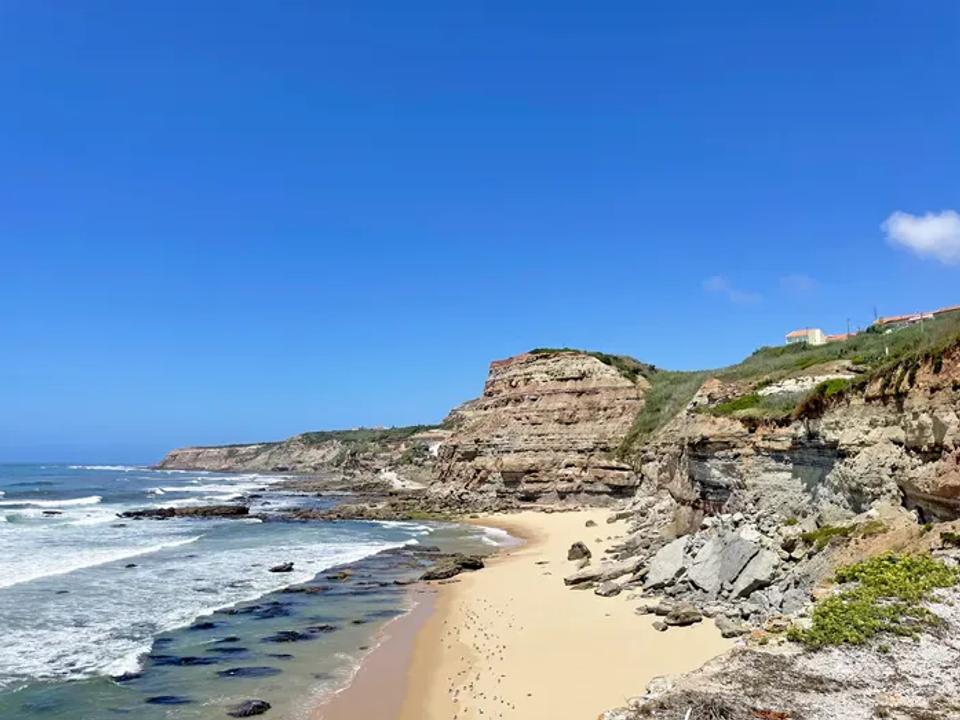
Cycle from Porto to Lisbon along Portugal’s Atlantic coast. Discover beaches, fishing villages, Aveiro, Sintra and the lively capital.
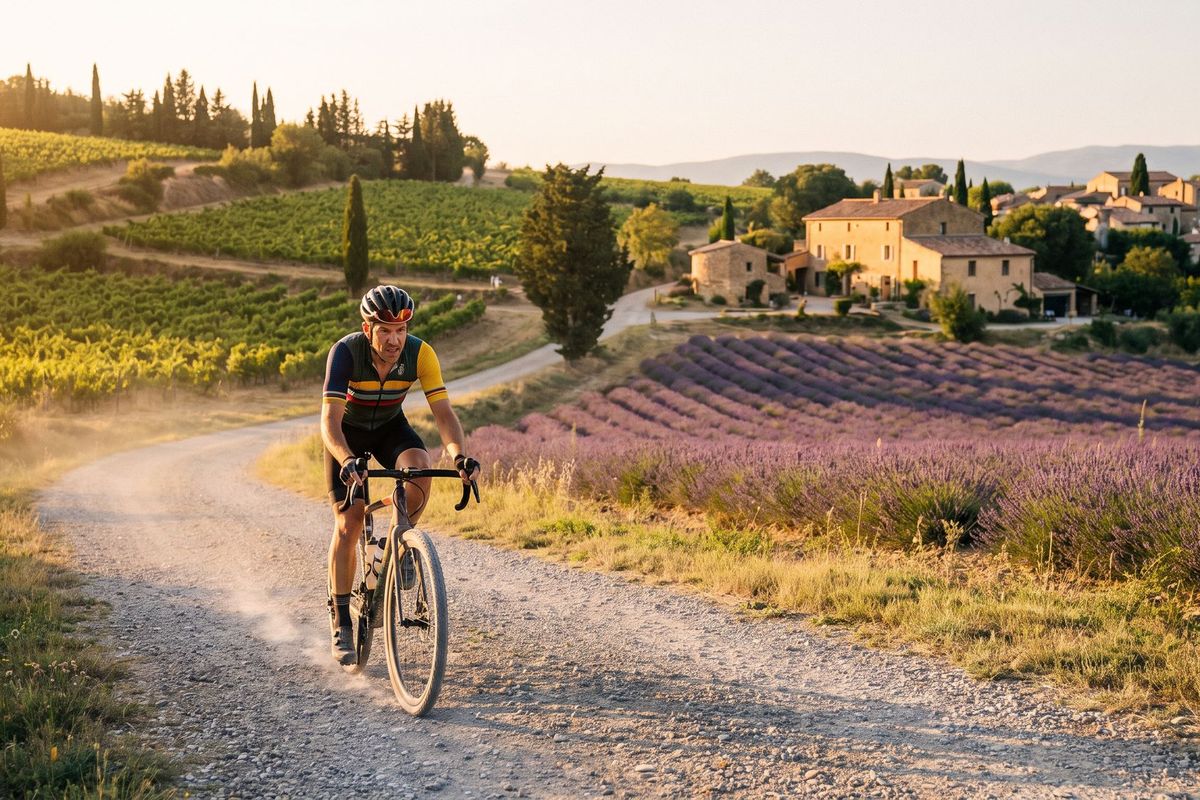
Routes wind through cork oak forests (Portugal produces 50% of world's cork), past historic towns like Évora and Monsaraz, and through agricultural landscapes where traditional farming continues unchanged. The gentle terrain suits leisure cycling, while cultural richness rewards exploration.
Alentejo preserves authentic Portuguese culture most completely. Traditional restaurants serve regional specialties—açorda (bread-based dishes), migas (fried breadcrumbs), game meats, and excellent regional wines increasingly gaining recognition. UNESCO-listed Évora provides historical depth with Roman temple, medieval center, and bone chapel creating memorable stops.
Distance: 40-70km daily routes
Difficulty: Easy to moderate—rolling terrain
Best time: March-June, September-November
Portuguese differs significantly from Spanish despite geographic proximity. Learn basic phrases—locals genuinely appreciate efforts. "Obrigado/a" (thank you), "por favor" (please), and "bom dia" (good morning) open doors.
Portuguese culture emphasises hospitality, family, and tradition. Respect local customs, lunch remains main meal (1-3pm), dinner starts late (8-9pm), and Sunday preserves family time.
Portuguese cuisine celebrates seafood, pork, rice, and potatoes. Regional specialties include bacalhau (salted cod prepared hundreds of ways), cataplana (seafood stew), piri-piri chicken, and pastéis de nata (custard tarts).
Wine quality-to-price ratios astound. Excellent table wines cost €3-8 bottles in restaurants, €2-5 in shops. Douro table wines, Alentejo reds, and Vinho Verde whites all deserve exploration. Port and Madeira represent fortified wine pinnacles.
Spring (March-May): Wildflowers bloom, comfortable temperatures (16-24°C), Easter festivals add cultural interest.
Summer (June-August): Hot in interior regions (30-38°C), comfortable coastal areas with sea breezes. Early morning starts essential.
Autumn (September-November): Harvest season, warm temperatures (20-28°C), excellent conditions throughout Portugal.
Winter (December-February): Algarve remains cyclable (14-20°C), occasional rain. Interior regions cooler but manageable.
Lisbon and Porto provide international airport access. Faro serves Algarve region directly. Excellent domestic transport connects regions, though car rental suits independent exploration.
Train services connect major cities efficiently. Bikes travel on regional trains relatively easily, though reservations required for some services.
Day-by-day Algarve coastal cycling from Spanish border westward, finishing at Cape St. Vincent. Daily distances 40-60km allow beach stops, town exploration, and leisurely lunches.
Four-day Douro cycling from Porto, exploring valley quintas and returning. Shorter tour suits testing Portuguese cycling before longer commitments.
Combine regions—Lisbon to Algarve coastal route, then inland through Alentejo, or Porto to Douro Valley to coastal sections. Extended tours reveal Portugal's diversity.
Portugal delivers European cycling's exceptional value proposition—stunning landscapes, authentic culture, excellent cuisine and wine, reliable weather, and prices making extended holidays feasible within modest budgets.
The combination of coastal beauty, wine country terraces, and undiscovered interior creates cycling experiences rivalling famous destinations without crowds or inflated costs. Portugal welcomes cyclists warmly to landscapes and culture remaining genuinely Portuguese rather than international tourist zones.
Start planning your Portuguese cycling adventure today - from Algarve sunshine to Douro wine country, Portugal's cycling treasures await your discovery.