Bike tour
Castles of the Loire River - 8 Day Royal Loop
Cycle through the Loire Valley discovering its famous châteaux, vineyards and river landscapes on this 8 day cycling holiday from Blois.
Most family holidays with teenagers share a structural problem: they are designed for the family unit rather than for any individual within it. The parents want rest and scenery; the younger children want stimulation and ice cream; the teenager wants neither of these things in the way they are being provided, and is doing the holiday under a version of diplomatic obligation.
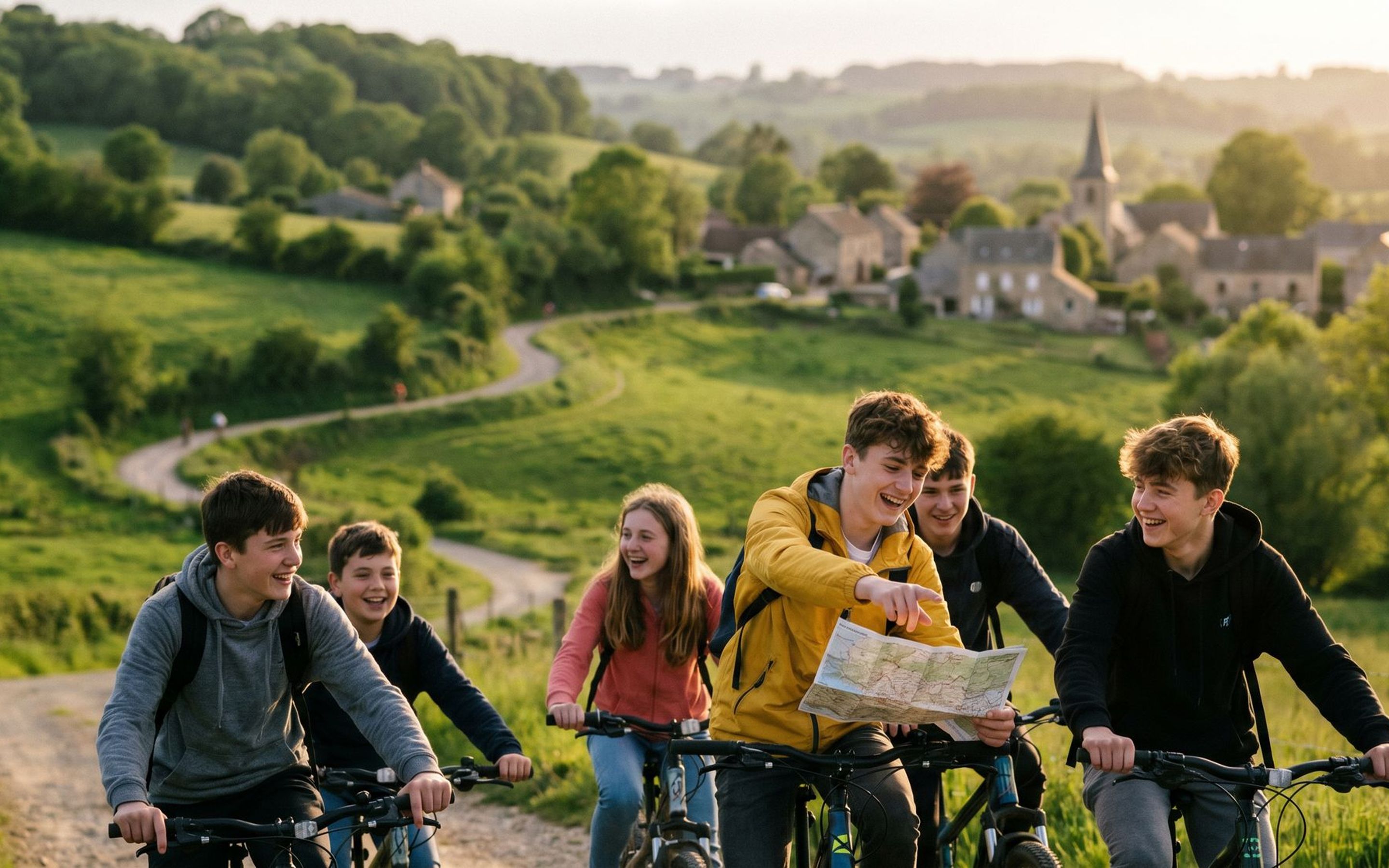
A cycling holiday with teenagers can be different from this — genuinely different, not just different in ambition. The format, when it works, produces something that most other family holidays do not: a teenager who is physically engaged, genuinely useful (they are often better at navigation than the adults), eating well, tired in the right way at the end of each day, and willing to come back next year.
Cycle through the Loire Valley discovering its famous châteaux, vineyards and river landscapes on this 8 day cycling holiday from Blois.
When it does not work, it is usually because the trip was designed for a 10-year-old and the parents assumed the teenager would adapt. They do not adapt. They endure. This guide is about designing the trip for the teenager rather than around them.
What works:
Distance that feels like an achievement. A 25km day is a perfectly good day for a family with a 7-year-old. For a fit 15-year-old, 25km is done by mid-morning and the rest of the day is a management problem. 40–60km on varied terrain is the range where most teenagers arrive tired in a satisfying rather than exhausted way. Let the distance be real.
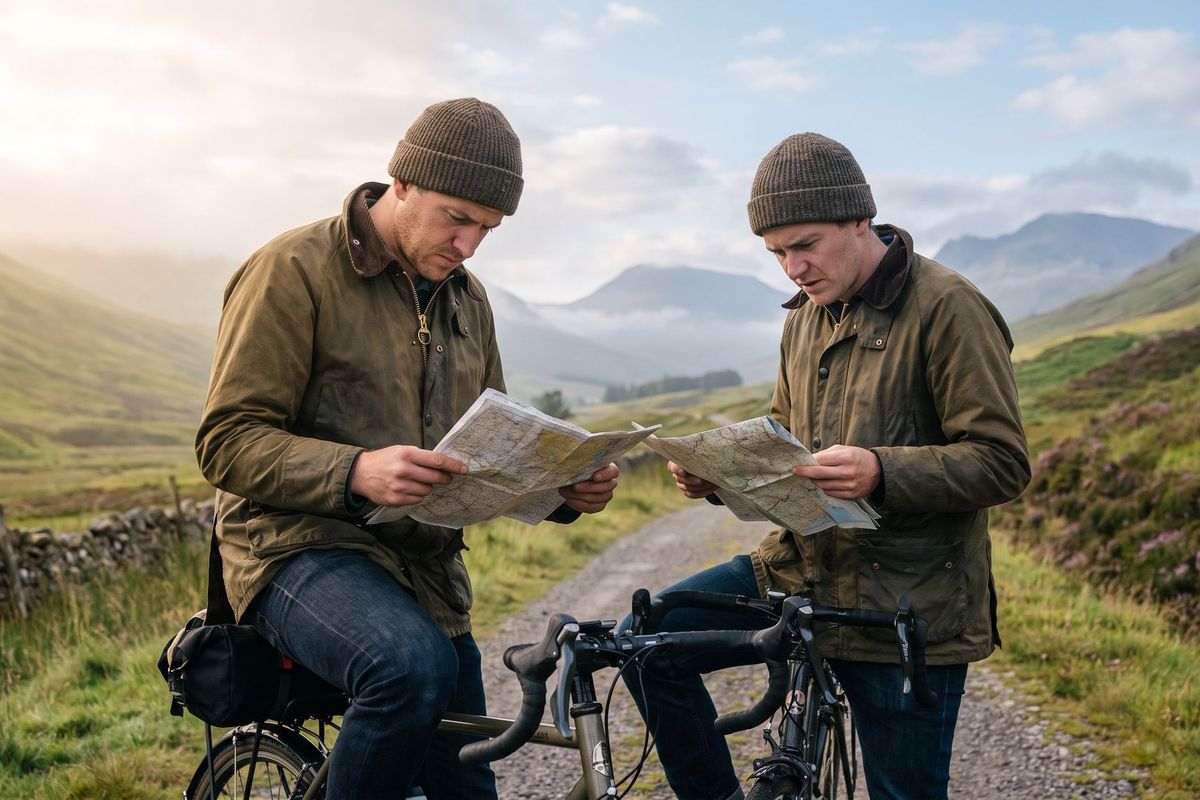
A role in the navigation. Handing a teenager the GPS, the route card, or the map and putting them in front is one of the simplest structural changes that produces the largest result. Being the navigator — making the call at a junction, being responsible for the group reaching the next town — is a different experience from following someone else's navigation.
Evening culture that matches their age. A market town with a bar terrace that is open after dinner, where a 16-year-old can sit with a drink and watch the square, works for more of the family than a village restaurant that closes at 9pm. The evening is not an extension of the cycling day — for teenagers, it is often the part of the holiday they talk about afterwards.
Their own space. Where the accommodation allows a teenager their own room rather than sharing with a sibling or parent, book it. The cost is usually modest; the atmosphere improvement is significant.
What kills it:
Over-scheduling. A day where every hour is planned is a day where a teenager feels managed rather than included. Leave afternoons unstructured at least twice in a week.
Parental pace-setting. If a teenager is faster than their parents and spends the day waiting at junctions, resentment compounds quietly and efficiently. Consider building stages where teenagers cycle ahead to the next stop.
Treating the evening as an extension of the cycling day. An early dinner, an early bed, and a plan to repeat the same structure the next day is the holiday that a teenager agrees to in principle and endures in practice.
Ages 13–14: 35–50km per day on mixed terrain is realistic for teenagers in average fitness. 50–70km on flat routes for teenagers who cycle regularly. Most 13-year-olds on a first cycling holiday should start at 35–40km — it is more demanding over consecutive days than a single training ride suggests.
Ages 15–17: 50–70km per day on mixed terrain; up to 80–90km on flat routes for confident, fit teenagers. At this age the constraint is rarely fitness — it is interest. A route that delivers something worth looking at every 15–20km sustains engagement better than a long flat road regardless of the distance.
E-bikes for teenagers: Rarely the right choice for a teenager who is physically capable and interested in the cycling as a physical experience — the assist removes the thing they are most likely to find satisfying. E-bikes are appropriate for a teenager who has limited cycling experience or who is joining a group where the adults are significantly stronger.
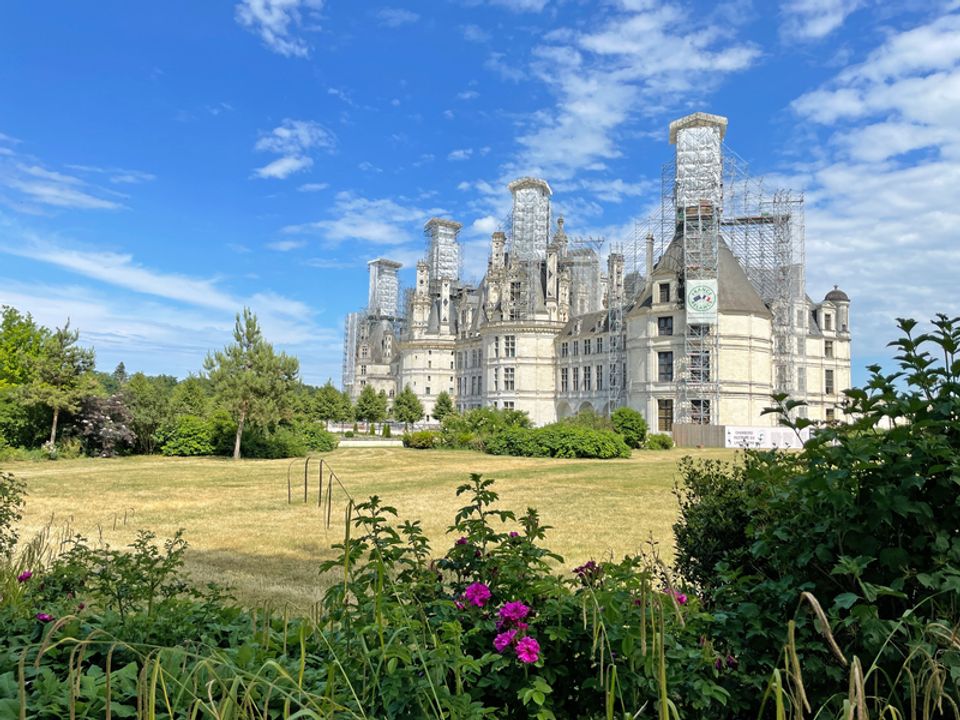
The right first cycling holiday for a teenager who has not done one before. The cycling is manageable, the châteaux provide landmarks every 10–15km, and the towns — Amboise, Blois, Saumur — have enough evening culture to satisfy most 13–15 year olds. Cycling the Loire Valley gives a full guide to stages and towns. For teenagers who have done the Loire Valley once, it is the gateway rather than the destination.
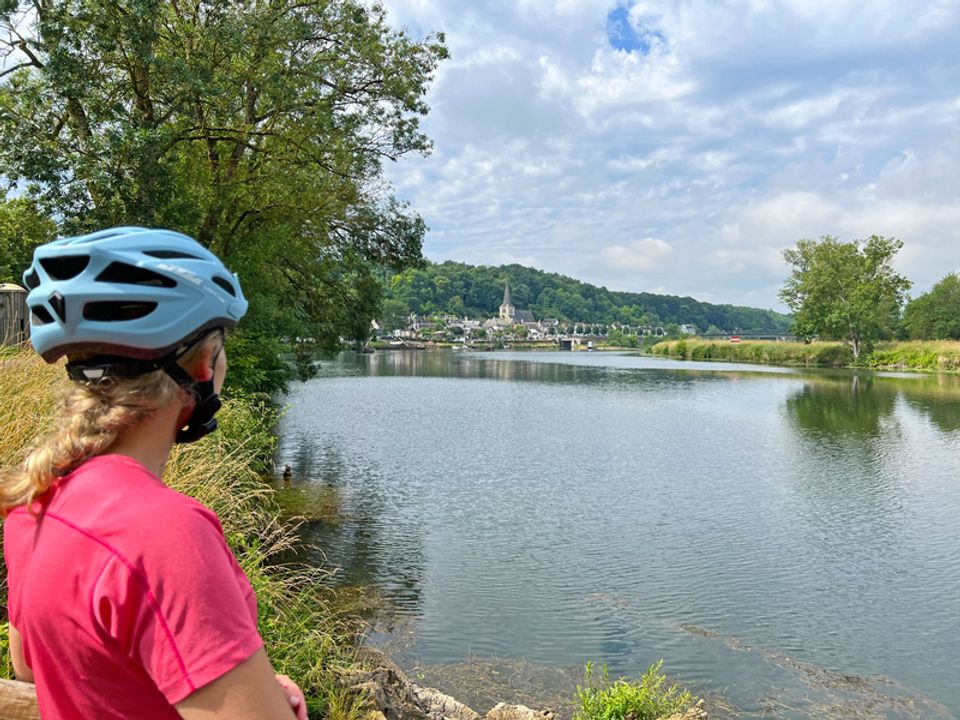
Cycle through the Loire Valley discovering its famous châteaux, vineyards and river landscapes on this 10 day cycling holiday from Blois.
The cliff-top châteaux, prehistoric cave sites, river swimming, canoe hire, and more demanding terrain make the Dordogne a stronger proposition for teenagers aged 14 and above who want a holiday that feels genuinely adult. Lascaux IV impresses teenagers — this is not a children's museum but an archaeological experience at a serious level. Planning a Dordogne cycling holiday covers routes and logistics in detail.
The Atlantic coastline, EuroVelo coastal route, fishing harbours, and real headland cycling engage teenagers who find inland valley cycling too gentle. Best for ages 15 and above with reasonable cycling confidence. Our Brittany cycling guide covers the main routes.
The Alsace wine route has genuine evening culture — Strasbourg gives teenagers a city they can navigate independently after dinner. The cycling combines flat Rhine plain sections with Vosges hill detours that involve real climbing. The food (tarte flambée, choucroute) is specific and interesting in a way that standard bistro fare is not.
Self-guided is the natural default for families with confident teenagers. The autonomy of setting your own pace, stopping where you want, and making decisions as a group plays to what teenagers respond to. Giving the teenager a genuine navigational role is straightforward on a self-guided holiday.
Guided is worth reconsidering if a teenager might benefit from the social element. A guided small-group tour may include other teenagers — and a 15-year-old who meets peers on a cycling tour is a different traveller to one spending a week cycling exclusively with parents. Ask the operator specifically whether the group is likely to include other teenagers in the same age range.
Pedal Ventures connects families to local operators running both formats. We are a marketplace, not a tour operator. Our self-guided France guide and guided France guide cover both in full.
The cycling holiday format ends each day at around 5pm, leaving three to four hours before bed. For teenagers, the evening is often the defining experience of the holiday.
Market towns with a centre that is walkable and open work best. One celebratory dinner during the trip at a restaurant that is genuinely good, not just adequate, treats the teenager as an adult rather than an inconvenience. French restaurant culture of long, unhurried evenings suits teenagers considerably better than the early-sitting model of UK tourist restaurants.
After dinner, in a safe town, let teenagers aged 15+ have an hour without parental accompaniment. This distinguishes a holiday designed for them from one that simply accommodates them. Cycling UK's guide to family cycling has useful perspective on managing group dynamics across age ranges on longer tours.
Every cycling holiday booked through Pedal Ventures carries PTS financial protection — your money is protected if Pedal Ventures or the operator fails. At around £3,000 per family booking, this protection is worth understanding before you pay any deposit.
From 13 upward on most tours. The right itinerary varies more by fitness and interest than by precise age. A 13-year-old who cycles regularly is ready for more than a 15-year-old who does not.
35–50km for ages 13–14 in average fitness; 50–70km for ages 15–17 who cycle regularly. Cumulative daily mileage over a week is more demanding than a single long training ride suggests.
Give them a navigation role. Choose a route with destinations worth reaching. Invest in the evening as much as the cycling day. Leave unstructured time in each afternoon.
Self-guided for families who want full autonomy. Guided for teenagers who would benefit from the social element of cycling with a small group that may include peers.
The Dordogne for visual drama and cultural depth. Brittany for coast and headland distance. Alsace for town culture and varied terrain. The Loire Valley as the right first cycling holiday.
Yes — on self-guided holidays, teenagers cycling ahead to the next stop while parents travel at their own pace is a common and workable arrangement. Discuss with your operator in advance so accommodation is aware of staggered arrivals.
Browse cycling holidays in France to find the right trip for your family.
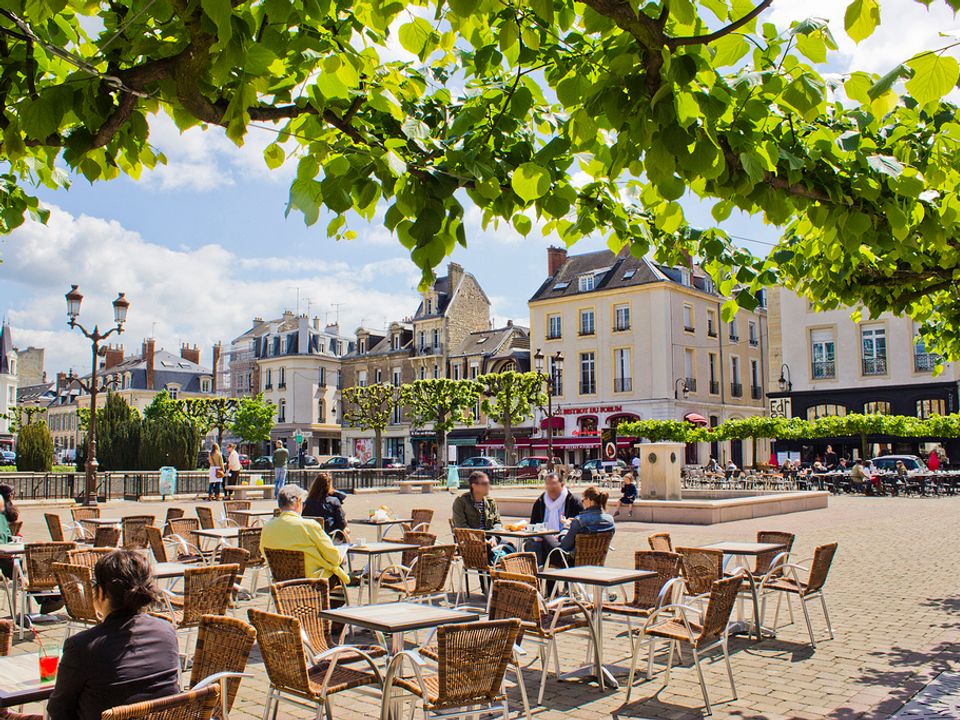
Cycle through the heart of Champagne from Reims to Épernay and back. Explore vineyard landscapes, UNESCO sites and charming villages while learning how the region’s famous sparkling wine comes to life.