Bike tour
Champagne - Paris to Épernay by E-Bike
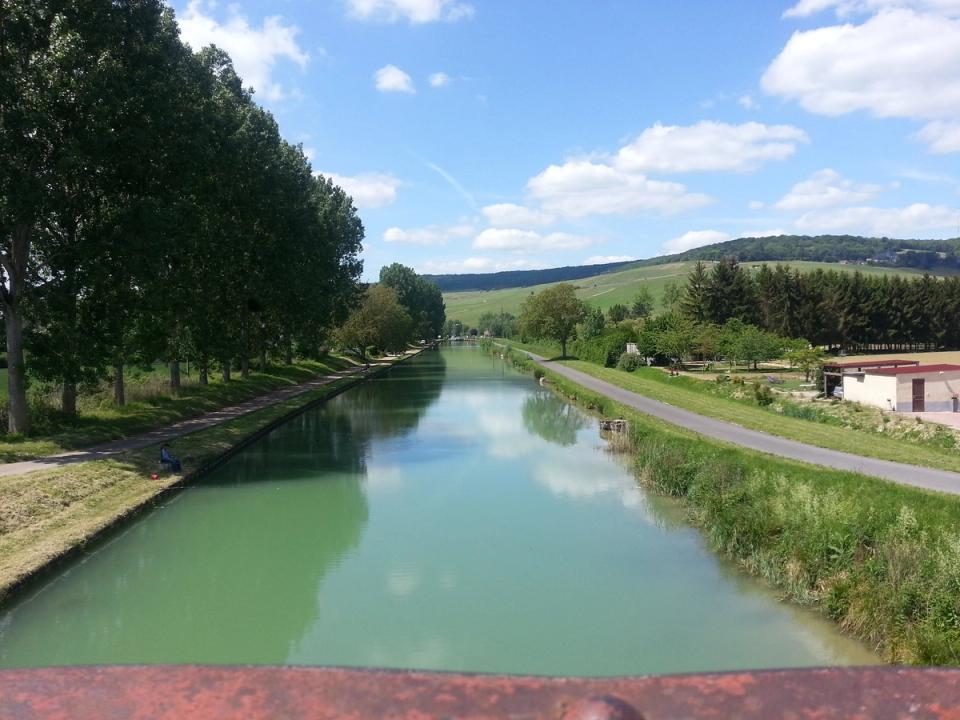
Explore Champagne by e-bike & barge. From Paris to Épernay, sip bubbly, cycle vineyard trails, and sleep on a floating hotel.

Rob
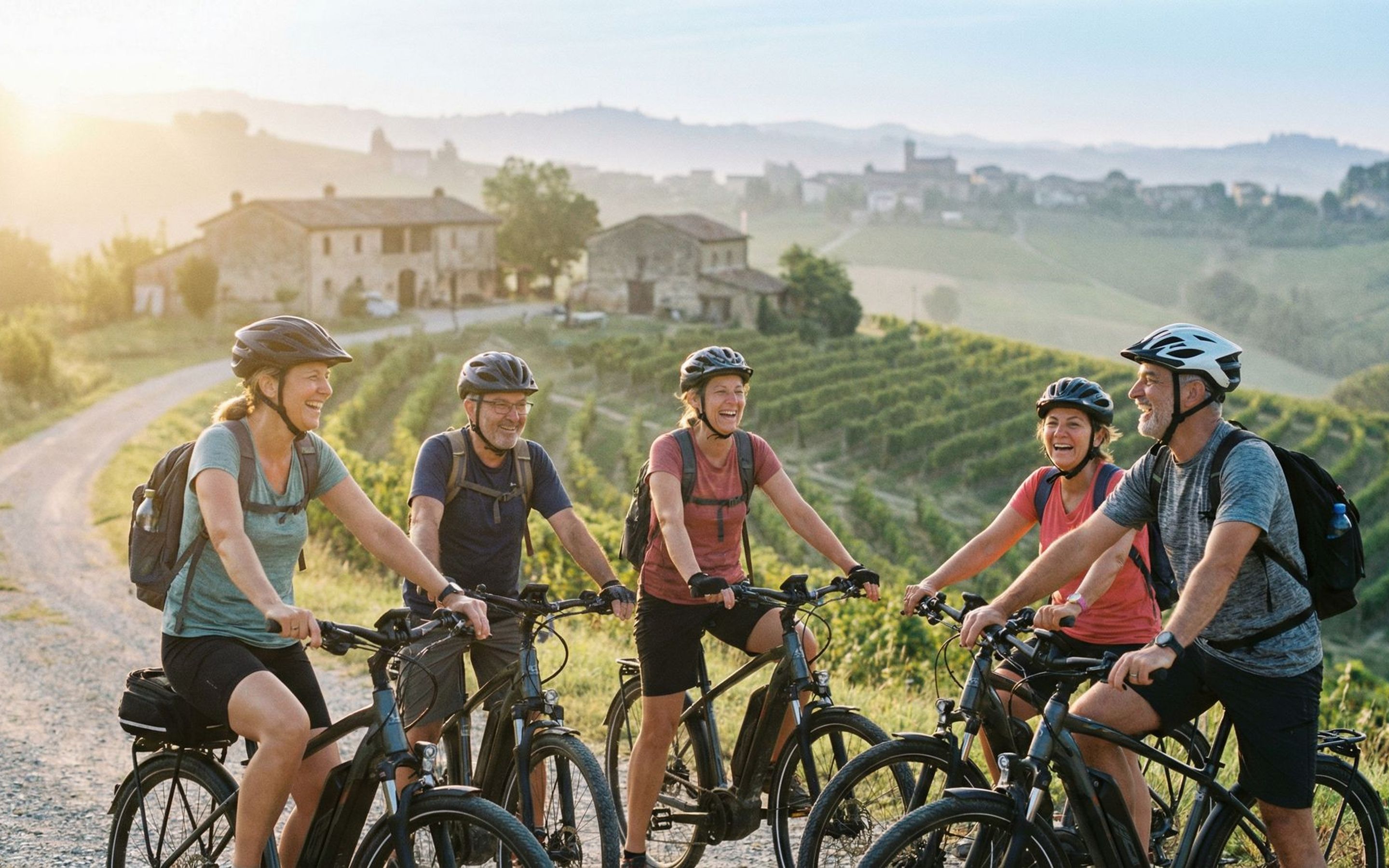
European cycling just became dramatically more accessible. Electric bike holidays transform challenging mountain passes and multi-day routes into achievable adventures, letting beginners explore destinations once reserved for seasoned cyclists.
With pedal-assist motors providing support when terrain turns demanding, you'll maintain pace with experienced riders while actually enjoying the scenery instead of gasping for breath on climbs.
The European cycle tourism market reached €44 billion in 2022, with e-bike adoption driving significant growth among first-time cycle tourists. Modern e-bikes deliver 120-180km range per charge—enough for a full day's riding with power to spare. That technological leap means you can tackle iconic routes like vineyard-dotted Champagne trails without worrying whether your fitness matches your ambitions.
Explore Champagne by e-bike & barge. From Paris to Épernay, sip bubbly, cycle vineyard trails, and sleep on a floating hotel.
From luxury e-bike tours in Europe packages featuring boutique accommodations to self-guided adventures along dedicated cycle paths, electric-assist cycling removes traditional barriers. You'll cover 50km+ daily stages comfortably, control effort levels with adjustable assistance, and arrive at evening destinations energised rather than exhausted. Whether you're rebuilding fitness, managing physical limitations, or simply prefer exploring without the suffering, e-bikes deliver authentic cycling experiences with practical modifications that prioritize enjoyment over endurance.
Europe's diverse terrain creates perfect conditions for e-bike tours across Europe wide, from riverside paths to alpine valleys. The Danube Cycle Path ranks as the continent's most beginner-friendly route, stretching 300km from Passau to Vienna along mostly flat, paved trails. Austria dominates the e-bike market for good reason—dedicated cycling infrastructure and stunning alpine backdrops make regions like Lake Constance and the Salzburg Lakes ideal first tours.
Italy's Tuscany region offers gentle rolling hills where electric assistance transforms potentially challenging climbs into leisurely exploration. The e-bike tours designed for seniors market has grown significantly here, with routes designed around 30-40km daily distances that allow cultural stops at hilltop villages and vineyard tours without physical strain.
According to the Europe Cycle Tourism Market report, France and the Netherlands remain top destinations, though their flat geography suits traditional bikes equally well. For dramatic scenery with manageable effort, the Rhine Valley's dedicated cycle paths combine riverside cruising with castle-dotted landscapes. Most European e-bike routes follow established EuroVelo networks—professionally maintained paths with charging infrastructure already in place.
Electric bikes fundamentally change the economics and accessibility of cycling holidays across Europe wide. The pedal-assist technology delivers 120-180km range per charge, enabling beginners to tackle 50km+ daily stages that would exhaust traditional cyclists. However, e-bike tours come with trade-offs worth understanding before booking.
The primary advantage: hills become optional obstacles rather than mandatory challenges. A beginner cyclist can ride alongside experienced partners on alpine valley routes without holding up the group. Battery assistance transforms intimidating elevation profiles into manageable climbs, opening premium European routes previously reserved for fit riders.
Drawbacks centre on practicality and cost. E-bikes weigh 22-28kg versus 12-15kg for touring bikes, making flat tire repairs more laborious. Battery range anxiety becomes real on longer days—running out of charge 40km from accommodation means pedalling a heavy bike manually. Tour operators typically charge €150-300 supplements for e-bikes, making affordable bike tours in Europe options slightly pricier.
The decision ultimately depends on fitness levels and route ambitions. For riders concerned about hills or keeping pace with stronger cyclists, the trade-offs prove worthwhile.
Budget planning separates disappointing trips from memorable adventures. Beginner e-bike tours typically range from €85-€150 per person daily for self-guided options, while guided cycling holidays across Europe wide command €150-€250 daily due to included support vehicles and expert leadership. These figures cover accommodation, breakfast, route materials, and bike rental—understanding what's included prevents mid-trip financial surprises.
E-bike rental adds €25-€45 daily compared to standard bikes, reflecting battery technology and maintenance costs. However, cycle tourism spending patterns show most riders find this premium worthwhile when it extends their touring range by 40-60km daily. One practical approach is booking 5-7 day packages, which often reduce daily rates by 15-20% compared to shorter trips.
Hidden costs catch unprepared cyclists off guard. Budget €8-€15 daily for mid-ride café stops, €15-€25 for dinners at local restaurants, and €20-€40 for optional wine tastings or museum entries. Routes through scenic wine regions particularly tempt riders to increase discretionary spending. Travel insurance specifically covering e-bikes costs €30-€60 weekly—essential protection given equipment values exceeding €2,000.
Practical planning transforms abstract possibilities into concrete itineraries. Consider three realistic scenarios that illustrate how beginners approach easy electric bike holidays across different European contexts.
Scenario One: The Weekend Warmup — A couple in their 50s books a three-day self-guided tour through Austria's Danube Valley. They choose a flat riverside route with 40-50km daily stages, pre-booked accommodation every 15km, and basic rental bikes with 500Wh batteries. Total cost: €340 per person including accommodation, bike rental, and luggage transfer. This approach minimizes risk while building confidence on manageable terrain.
Scenario Two: The Cultural Explorer — A solo traveler in their 60s selects a guided group tour through Tuscany's hill towns. The seven-day itinerary includes daily distances of 35-60km with multiple assist levels to manage 200-400m elevation gains. At €1,450 per person, the package includes experienced guides who adjust pacing to the group's comfort level and mechanical support for any technical issues.
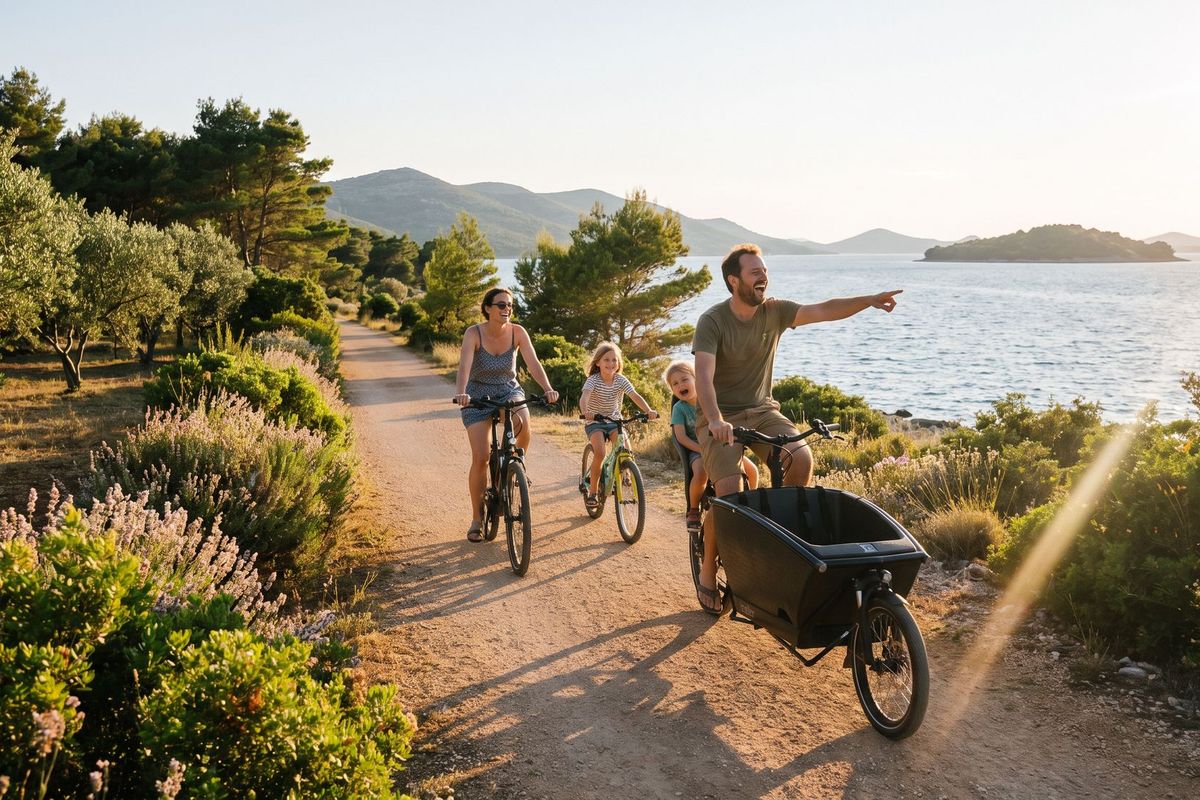
Scenario Three: The Active Family — Parents with teenagers choose a coastal route in Portugal with predominantly flat terrain. The self-guided format allows flexible start times while staying within a 50km daily maximum. According to tour operator insights, families increasingly select routes where "everyone can participate at their own comfort level" through pedal-assist technology. Six days cost approximately €2,100 for four people, averaging €88 per person daily.
Understanding local e-bike laws prevents unexpected complications during pedal-assist bike trips. Most European countries classify e-bikes with motors up to 250 watts and 25 km/h (15.5 mph) assistance as standard bicycles, requiring no license or insurance. However, The first time on an e-bike guide emphasises that regulations vary by country, making advance research essential.
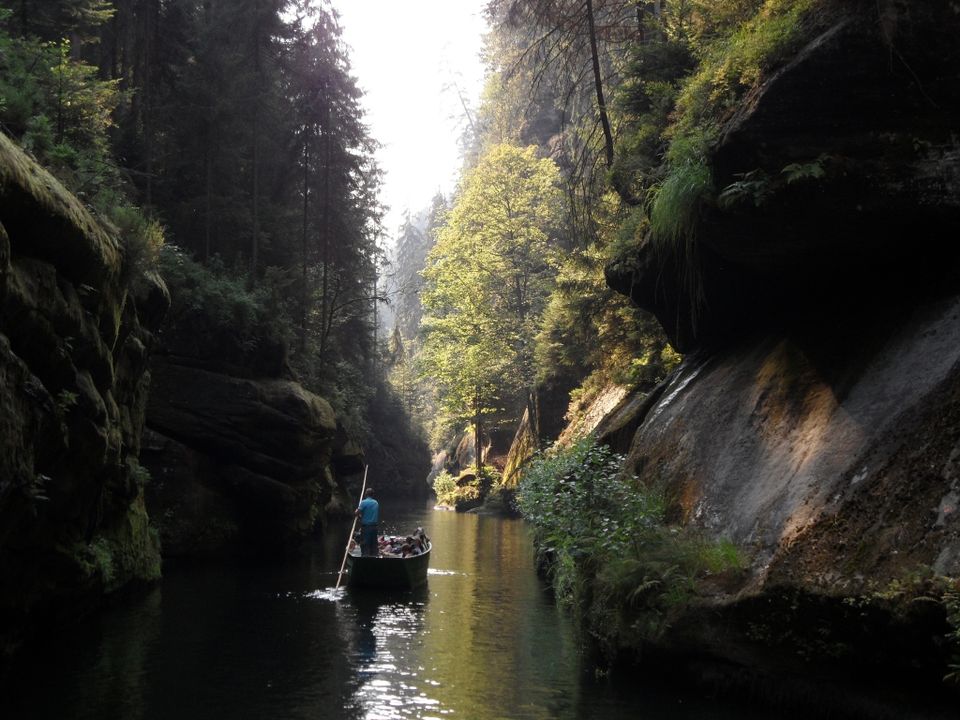
Cycle from Prague to Dresden – Discover castles, river valleys, and medieval towns on this scenic ride through Bohemia and Saxony along the Elbe Cycle Path.
Germany and Austria enforce strict helmet recommendations and require working lights at all times. France mandates reflective vests for riding outside urban areas, while Switzerland restricts certain mountain trails to non-motorised bikes only. Most organised tour operators handle these compliance details—your bike arrives properly equipped with required lighting, bells, and reflectors.
Age restrictions matter for solo travellers: minimum ages range from 14 in Germany to 16 in Belgium. On the other hand, guided tours typically accept riders 12+ when accompanied by adults, though individual operators set their own policies.
Trail access differs significantly across regions. Popular routes like Slovenia's coastal paths welcome e-bikes, but some Alpine passes maintain seasonal restrictions. Your tour operator confirms permitted routes during booking, eliminating guesswork about where your e-bike can legally ride.
Self-guided e-bike holidays demand realistic assessment of logistical challenges alongside physical capabilities. Battery range anxiety proves more common than expected; most e-bikes deliver 50-80km on a single charge, but steep terrain, high assistance modes, and cold weather reduce this significantly. A 70km route through Alpine passes might require mid-route charging that self-guided routes don't always accommodate.
Navigation technology creates unexpected friction points. GPS devices fail, phone batteries drain, and downloadable route files occasionally contain errors that leave cyclists searching for correct paths. Beginners often underestimate how much time these disruptions consume—a wrong turn can add 90 minutes to a day's riding. Paper backup maps and offline navigation apps become essential rather than optional.
Weather unpredictability affects e-bike performance differently than conventional cycling. Rain reduces battery efficiency by approximately 15-20%, while high temperatures can trigger thermal protection that limits motor assistance. Most e-bike holidays provide contingency plans, yet independent travelers need alternative transportation options for severe conditions.
Mechanical support availability varies dramatically across regions. Remote areas offer limited e-bike-specific repair expertise—standard bicycle mechanics often cannot diagnose motor or battery issues. Riders should verify what breakdown assistance their tour operator provides and understand the limitations of roadside help in rural locations.
E-bike technology transforms European cycling holidays into accessible adventures for beginners of all fitness levels. The combination of pedal assistance, organised logistics, and beginner-friendly infrastructure removes traditional barriers that previously limited cycling tourism to experienced riders.
Successful first-time e-bike holidays require three essential elements:
The financial investment ranges from €800-€2,000 per person for week-long tours, but this includes accommodations, route planning, mechanical support—eliminating the hidden costs, and stress of independent travel. With the Europe cycle tourism market projected to grow 7.2% annually through 2033, tour operators continue expanding beginner-specific options across the continent. Start your e-bike journey by booking a fully supported tour through established operators, then progress to self-guided adventures as your skills and confidence develop. The electric revolution in cycling tourism means the Alps, Loire Valley, and Danube trails await—regardless of your current fitness level.
Electric bike holidays provide pedal-assist technology, making challenging routes manageable and allowing beginners to keep pace with experienced cyclists.
Most beginner e-bike tours allow you to comfortably cover 50km+ daily, thanks to the 120-180km range per charge of modern e-bikes.
Top destinations include the Danube Cycle Path for its flat trails, Tuscany for gentle hills, and the Rhine Valley for scenic riverside routes.
Yes, e-bike rentals typically add €25-€45 daily to your trip cost, reflecting the advanced battery technology and maintenance needed.
Guided cycling holidays in Europe generally range from €150-€250 per day per person, including accommodation and support services.