Bike tour
Dolomites to Lake Garda, Verona & Venice
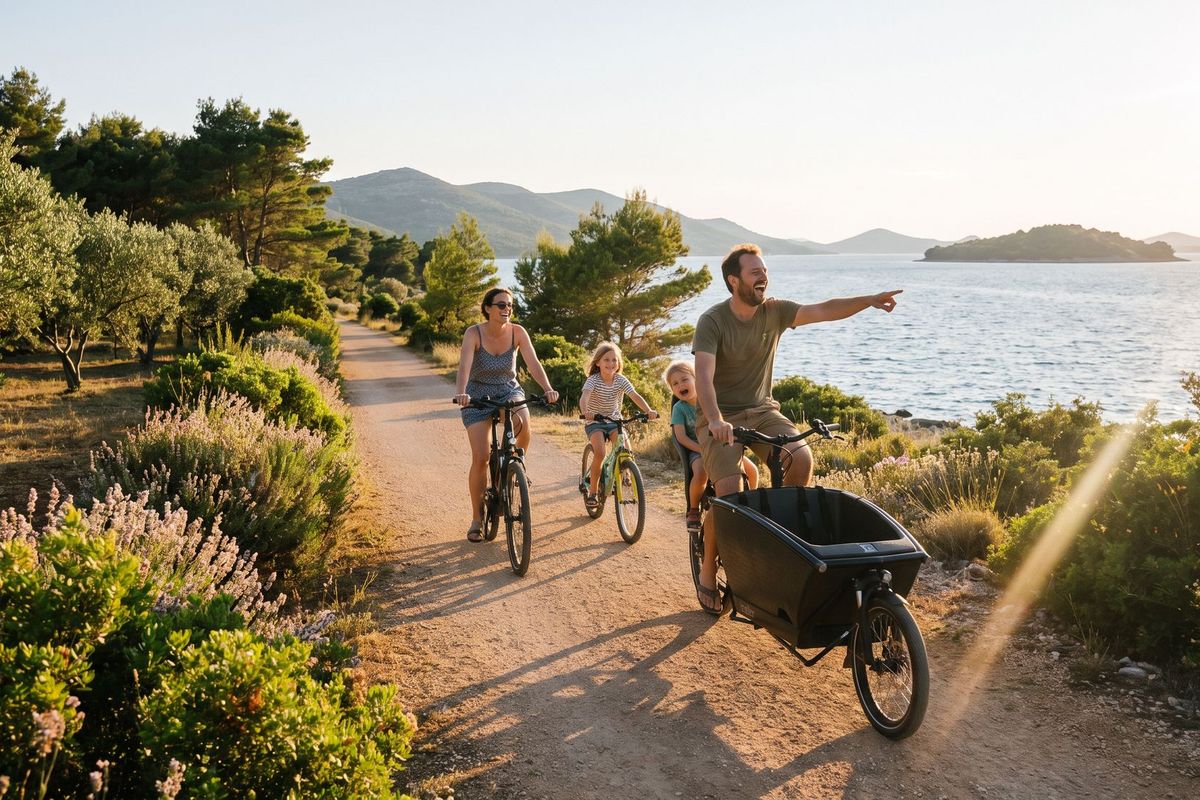
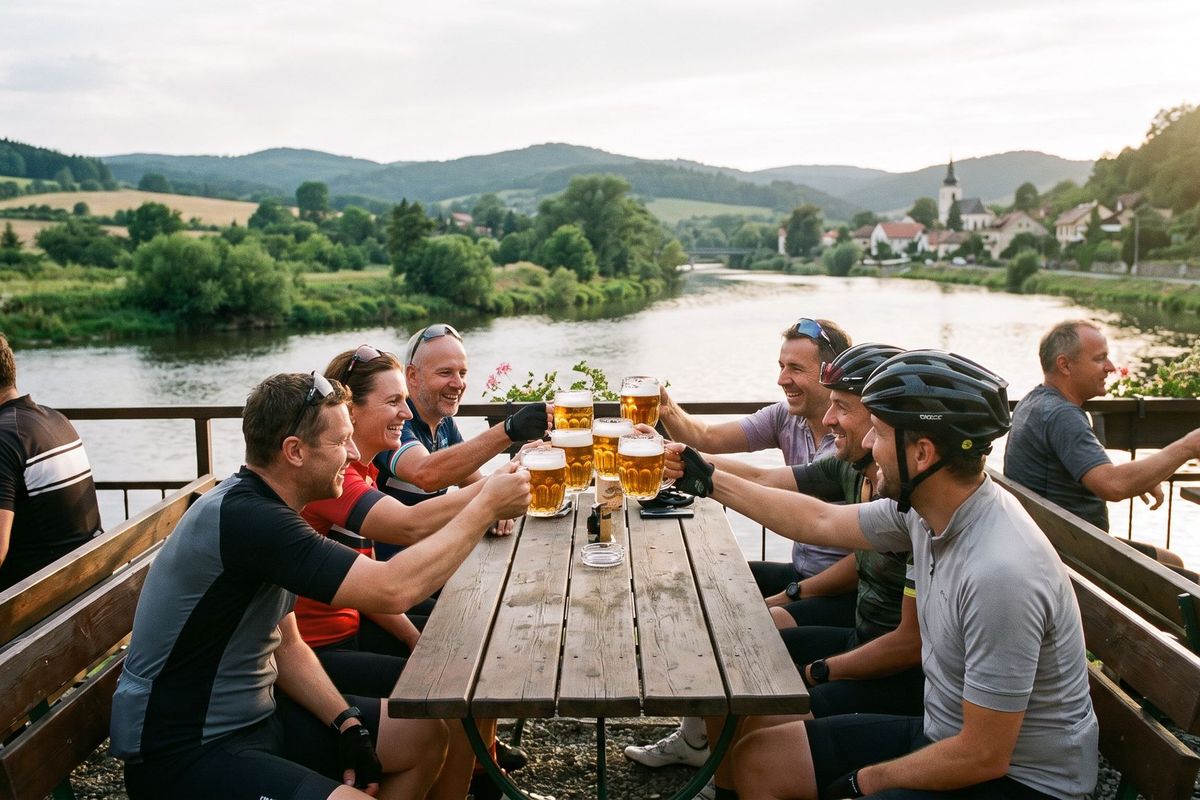
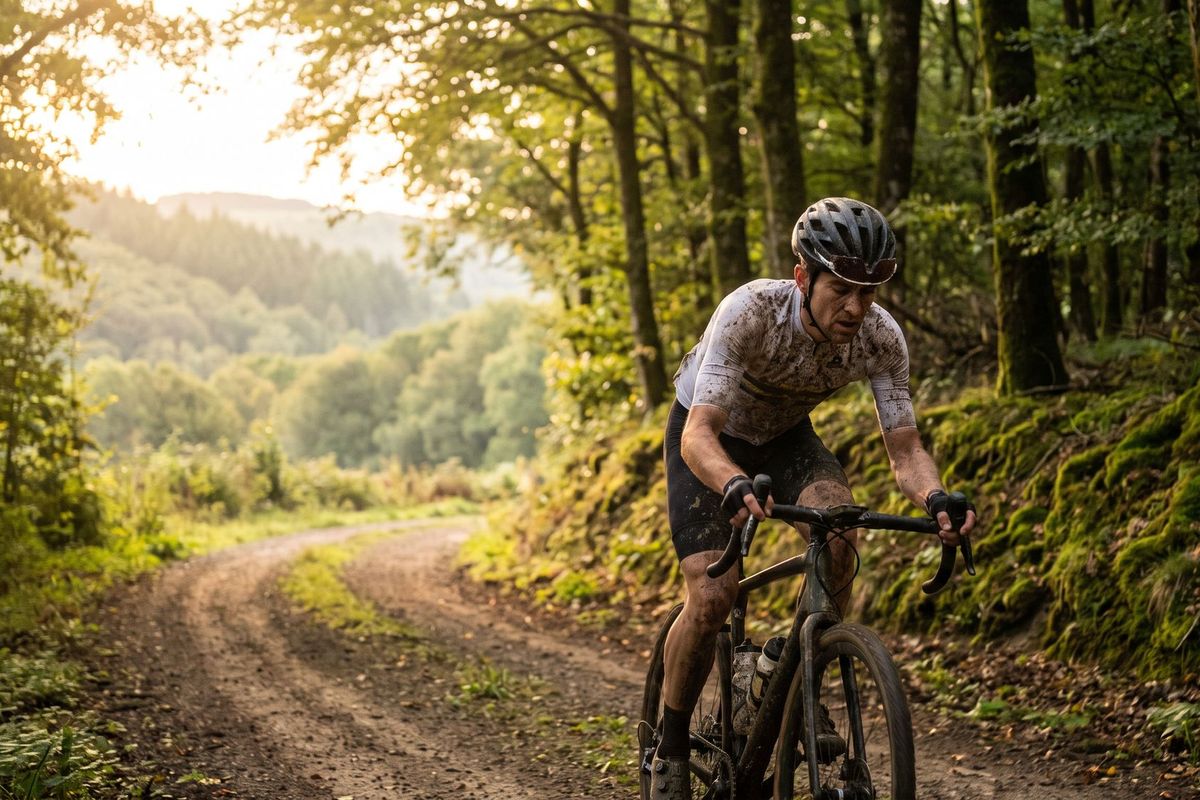
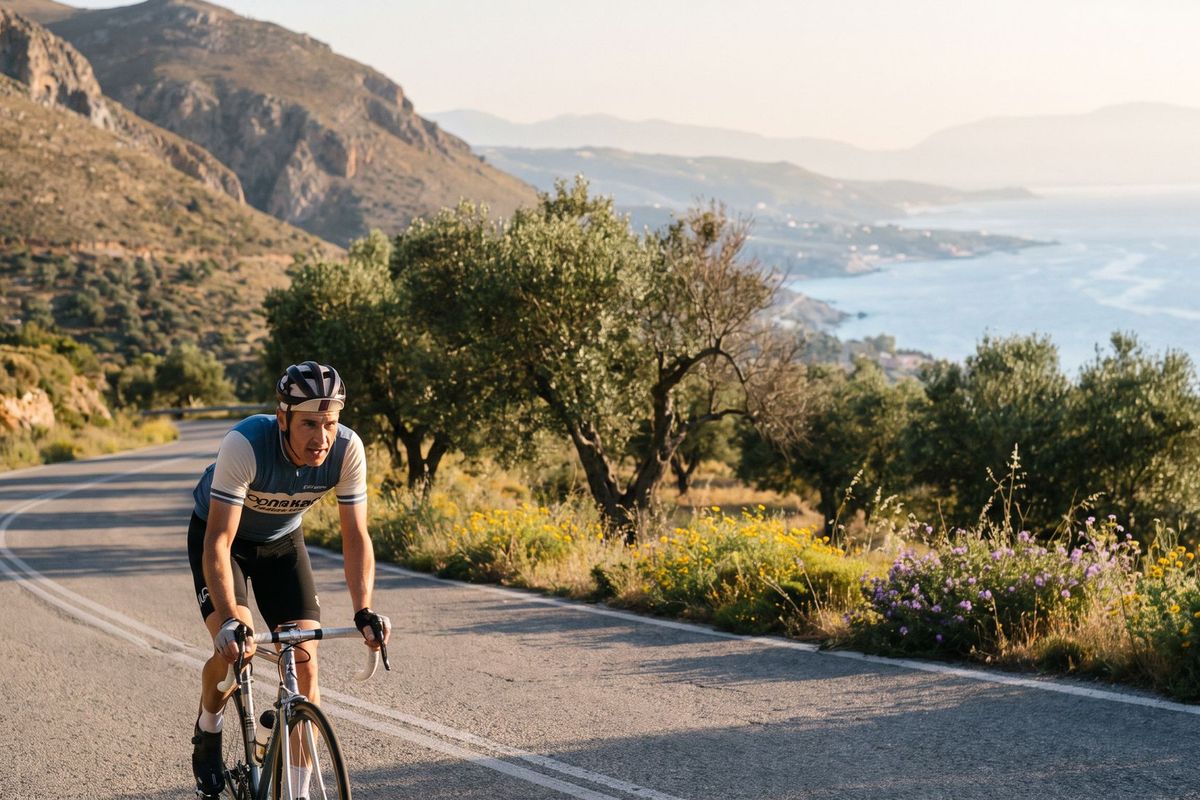
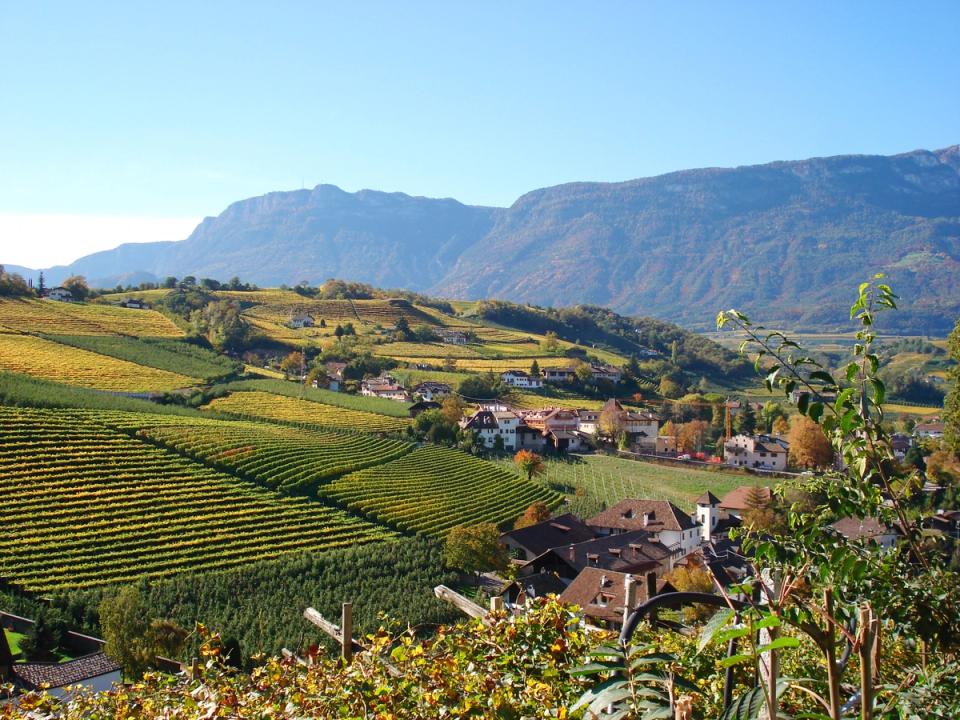
This cycling holiday through South Tyrol to Lake Garda and Venice through the rolling vineyards of Veneto offers a perfect blend of nature, history, and culture.
E-bikes have revolutionised European cycling holidays, transforming who can tour and which destinations become accessible. Electric pedal-assist technology erases fitness gaps between partners, conquers intimidating terrain, extends daily distances comfortably, and opens cycling holidays to people who previously considered themselves "not fit enough." E-bike holidays aren't about cheating—they're about democratising cycling's joys, equalizing groups with mixed abilities, and discovering destinations where conventional bikes would struggle.
This comprehensive guide explores how e-bikes work, which European destinations suit electric cycling perfectly, and how to choose your ideal e-bike holiday.
E-bikes provide pedal assistance, not replacement. You still pedal normally, but an electric motor amplifies your effort, particularly helpful climbing hills, riding into headwinds, or maintaining pace over long distances.
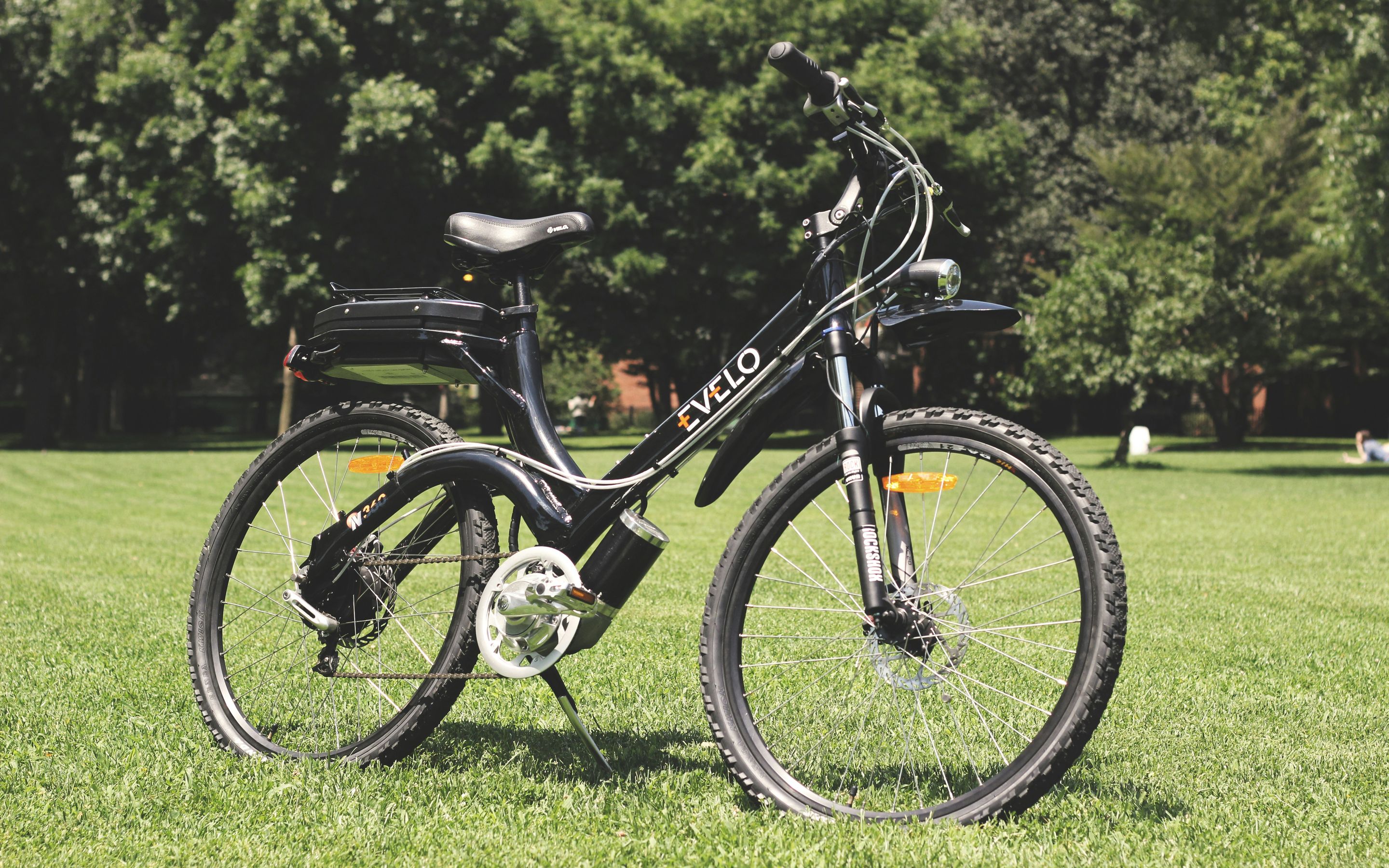
Quality touring e-bikes feature mid-drive motors (positioned at pedals rather than wheels) providing natural-feeling assistance that responds to your pedalling intensity. Battery ranges typically span 50-100 kilometres depending on assistance level used, terrain, and rider weight.
Multiple assistance modes allow customisation—minimal assistance on flat sections conserving battery, maximum assistance conquering steep climbs. You control effort level throughout the ride, tailoring difficulty to energy and preference.
Equalising groups: E-bikes eliminate fitness disparity problems. Partners with different fitness levels ride together comfortably, the less fit rider uses higher assistance matching the fitter rider's natural pace. Friends with varied abilities share experiences rather than the strongest riders waiting frustratedly or weakest struggling miserably behind.
Expanding destinations: Mountainous regions previously reserved for very fit cyclists become accessible. The Dolomites, Austrian Alps, Pyrenees, and challenging vineyard regions open to moderate fitness levels. Hills transform from exhausting struggles to enjoyable challenges.
Extending distances: E-bikes allow comfortable longer daily rides—60-80km feels similar to 40-50km on conventional bikes. This expands itinerary possibilities and reduces pressure when routes run longer than anticipated or weather delays create time constraints.
Reducing recovery time: Arriving at accommodation tired but not exhausted means actually enjoying evening activities rather than collapsing. E-bike riders report less post-ride muscle soreness and faster recovery between cycling days.
Carrying luggage easily: Self-guided tours where you carry panniers become dramatically easier with electric assistance. Weight that would exhaust conventional cyclists barely registers with motor support.
This outdated attitude ignores e-bikes' purpose - enabling participation, not replacing effort. E-bike riders still pedal, still exercise, still experience landscapes intimately, and still achieve daily cycling goals. The motor assists; it doesn't do the work.
Many strong conventional cyclists use e-bikes on challenging tours, recognising that assistance allows enjoying scenery rather than suffering through it, permits conversation rather than gasping breathlessly, and enables tackling routes that would otherwise prove punishing.
Studies demonstrate e-bike riders achieve substantial cardiovascular benefits and calorie burn. While intensity runs slightly lower than conventional cycling, e-bike riders typically cycle longer distances and more frequently, often achieving greater overall fitness benefits.
A week-long e-bike tour still burns 1,500-2,500 calories daily and provides excellent aerobic exercise—just more sustainably and enjoyably than struggling exhaustedly on conventional bikes.
While e-bikes brilliantly enable older cyclists to continue touring as fitness naturally declines, younger riders increasingly choose e-bikes for practical reasons: tackling challenging terrain, keeping pace with fitter partners, cycling while recovering from injuries, or simply making touring more enjoyable and sustainable.
The Dolomites represent e-bikes' transformative power. These dramatic limestone peaks and high mountain passes challenged only the fittest conventional cyclists now welcome moderate-fitness e-bike riders.
This cycling holiday through South Tyrol to Lake Garda and Venice through the rolling vineyards of Veneto offers a perfect blend of nature, history, and culture.
Classic Dolomite routes like Sella Ronda (52km circuit with 1,700m climbing) become achievable day rides with electric assistance. Alta Badia, Val Gardena, and Cortina regions offer stunning alpine scenery, excellent cycling infrastructure, and widespread e-bike support.
Accommodation ranges from mountain rifugios to valley hotels. June through September provides optimal conditions, with July-August bringing warmest weather and liveliest mountain atmosphere.
E-bikes allow experiencing the Dolomites' grandeur without the suffering traditionally required—perfect for bucket-list alpine cycling without extreme fitness demands.
Austria's alpine regions combine dramatic mountain scenery with excellent cycling infrastructure and e-bike-friendly culture. The Salzburg region, Tyrol, and Vorarlberg offer extensive e-bike touring networks.
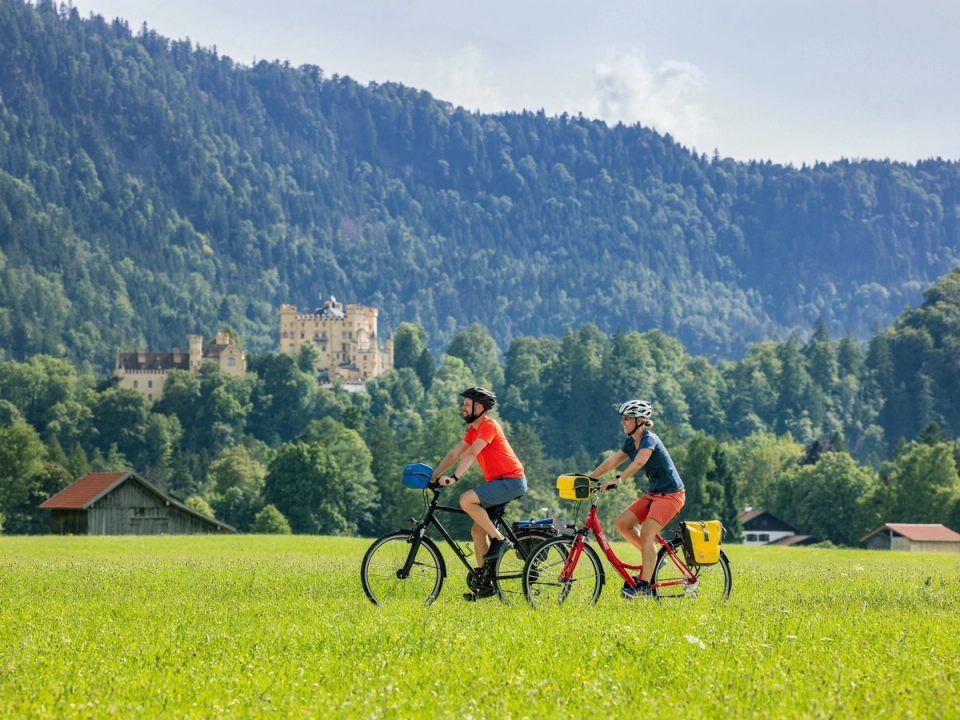
Cycle the Lech River from the Alps to Augsburg – Enjoy alpine views, historic towns, and riverside paths on this relaxed route through Austria and Bavaria.
Routes like Tauern Cycle Path and Drau Cycle Path mix riverside valley cycling with optional mountain climbs—e-bikes make summit detours accessible without exhausting primary route progress. Many routes connect mountain railway systems allowing uphill rides via train and thrilling downhill e-bike descents.
Austrian accommodation providers embrace e-bikes with charging facilities, route expertise, and e-bike-specific tour suggestions. The combination of alpine beauty, cultural richness, and cycling infrastructure creates ideal e-bike holiday environments.
Tuscany's rolling hills and cypress-lined roads create postcard cycling—but those hills exhaust many conventional cyclists. E-bikes transform Tuscany from punishing climbs to enjoyable undulations.
Chianti's vineyard hills, Val d'Orcia's dramatic landscapes, and quieter regions like Crete Senesi become comfortably accessible. Daily distances expand from 30-40km to 50-60km without increased exhaustion.
E-bikes allow stopping for impromptu wine tastings, extended lunches, and spontaneous detours without anxiety about finishing daily routes. The combination of beautiful terrain, exceptional food and wine, and comfortable cycling makes Tuscany perfect for e-bike touring.
The Douro Valley's terraced Port wine vineyards create spectacular scenery—and brutal climbing. E-bikes make these gradients manageable, allowing full appreciation of the landscape without suffering.
Routes climb from riverside to terrace tops offering panoramic views previously reserved for very fit cyclists. Quintas (wine estates) positioned on hillsides become accessible lunch or tasting stops.
The combination of dramatic landscapes, wine culture, and affordable luxury makes the Douro Valley exceptional e-bike territory, especially September-October harvest season.
Provence offers varied terrain from flat Rhône Valley paths to rolling Luberon hills. E-bikes allow tackling hillier routes accessing most beautiful villages perchés (hilltop villages) without exhausting valley rides.
Mont Ventoux—Provence's legendary mountain—becomes achievable with e-bikes, offering bucket-list climbing experiences to moderate-fitness cyclists. Lavender routes through Valensole Plateau and Sault region suit e-bikes perfectly.
June-July lavender season provides spectacular photography but premium pricing. May and September offer excellent conditions with fewer crowds and lower costs.
The Loire Valley's predominantly flat terrain needs no electric assistance, making it ideal for nervous first-time e-bike users building confidence. E-bikes extend comfortable daily distances, enable carrying picnic supplies effortlessly, and make optional detours to hillier château regions feasible.
The Loire à Vélo infrastructure supports e-bikes comprehensively with charging stations, rental availability, and repair facilities. This combination of easy terrain, excellent infrastructure, and château culture creates perfect introductory e-bike territory.
Renting: Most tour operators and destinations offer quality e-bike rentals—Bosch, Shimano, or Yamaha systems on well-maintained bikes. Rental eliminates transport hassles, maintenance concerns, and replacement worries if mechanical issues arise.
Rental costs typically run €40-70 daily (€250-400 weekly) versus €20-40 for conventional bikes. This premium buys convenience, performance, and accessibility to challenging terrain.
Bringing your own: Transporting personal e-bikes requires airline approval (battery restrictions), protective cases, and removal anxiety. Unless you're particular about your specific bike or touring extensively, renting proves more practical.
Modern e-bike batteries provide 50-100km range depending on assistance level, terrain, and rider weight. Tour operators plan routes within battery capacity, and most accommodations offer charging facilities.
Range anxiety solutions:
E-bikes typically offer 3-5 assistance modes:
Eco/Tour mode: Minimal assistance (30-50% boost), extends battery life, suitable for flat terrain or strong riders wanting modest help.
Sport/Tour+ mode: Moderate assistance (50-80% boost), balanced performance and range, ideal for most cycling on mixed terrain.
Turbo/Boost mode: Maximum assistance (100-150% boost), conquers steep hills but drains batteries faster, use strategically.
Learning when to use each mode maximises enjoyment and battery efficiency.
E-bike holidays suit people who can walk 5-8km comfortably and enjoy gentle outdoor activity. You need basic cycling ability and reasonable cardiovascular health, but serious fitness proves unnecessary.
Tours graded "Leisurely with e-bikes" suit virtually anyone of moderate health. "Moderate with e-bikes" requires ability to cycle 2-3 hours daily comfortably. "Challenging with e-bikes" still demands reasonable fitness—assistance helps but doesn't eliminate effort on difficult terrain.
Guided e-bike tours: Guides handle navigation, provide local expertise, manage charging logistics, and address any technical issues. Support vehicles carry spare batteries and offer assistance if needed. This suits first-time e-bike tourists or those wanting social experiences.
Self-guided e-bike tours: You receive routes, GPS files, and recommended charging stops but cycle independently. This offers flexibility and privacy while providing infrastructure support. Works well for couples or small groups comfortable with independent travel.
Match difficulty to ambition and fitness:
Leisurely e-bike tours: Flat to gently rolling (Loire Valley, Danube, Netherlands), 40-60km daily, minimal assistance needed but available for comfort.
Moderate e-bike tours: Rolling hills to moderate climbs (Tuscany, Provence, Austrian lakes), 50-70km daily, regular assistance use makes terrain comfortable.
Challenging e-bike tours: Significant climbing and distance (Dolomites, Pyrenees, Alpine passes), 60-80km daily, e-bikes make routes feasible but still demanding.
E-bikes extend cycling seasons slightly as assistance reduces effort that generates heat, making shoulder seasons more comfortable. However, cold weather affects battery performance (reduced range below 10°C).
Optimal e-bike touring: April-October across most Europe, year-round in Mediterranean regions. Peak summer (July-August) offers longest days and warmest weather but largest crowds and premium pricing.
E-bike holidays deliver cycling's essential pleasures - intimate landscape immersion, earned achievement, cultural connection, and physical satisfaction—while removing barriers that exclude many potential cyclists.
You'll experience landscapes deeply, enjoy spontaneous stops without anxiety about finishing routes, arrive at accommodation pleasantly tired rather than exhausted, and share cycling experiences with differently-fit companions.
E-bikes don't diminish cycling holidays, they enhance accessibility, extend possibilities, and allow focusing on experience rather than endurance.
Your electric-assisted European adventure awaits, dramatic landscapes, cultural richness, and cycling freedom previously unimaginable.