Bike tour
Piedmont Gourmet Loop: Italy’s Garden of Eden
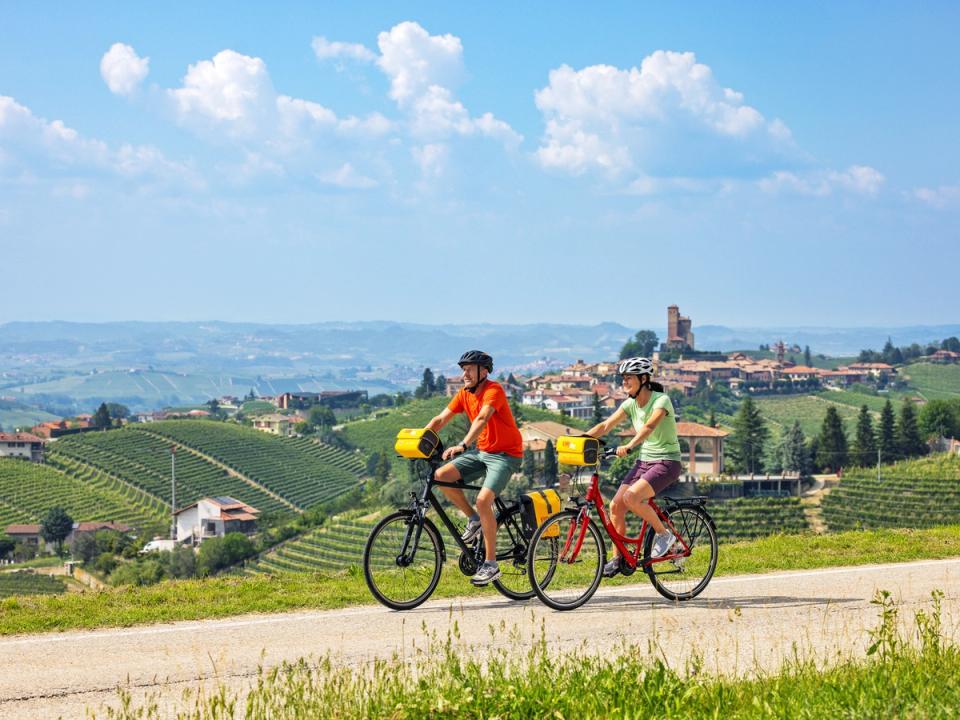
Cycle the Piedmont Gourmet Loop in Northern Italy, exploring rolling hills, charming towns, and tasting exquisite local cuisine and renowned wines on this unforgettable tour.

Rob
Italy's cycling appeal stretches from Alpine peaks to Mediterranean shores, creating a 1,200-kilometre choice between dramatically different experiences. Northern Italy offers mountain majesty, lake districts, and Renaissance cities, while Southern Italy delivers coastal drama, ancient history, and sun-drenched landscapes. Both regions excel at wine, food, and cycling beauty, but which suits your 2026 cycling holiday? This comprehensive comparison helps you choose between these magnificent Italian cycling experiences.
Italy's north-south divide extends beyond geography into climate, culture, terrain, and cycling character. Northern regions; Piedmont, Lake Garda, Veneto, Tuscany; combine Alpine influences with prosperous cities and established cycling tourism. Southern regions; Puglia, Sicily, Basilicata, Calabria, preserve traditional Mediterranean culture with emerging cycling infrastructure and fewer international tourists.
Cycle the Piedmont Gourmet Loop in Northern Italy, exploring rolling hills, charming towns, and tasting exquisite local cuisine and renowned wines on this unforgettable tour.
Neither region is objectively "better", they serve different cycling aspirations. Understanding these differences ensures your Italian cycling holiday delivers experiences matching your desires rather than discovering mismatched expectations mid-tour.
Northern Italian weather varies dramatically with elevation. Lake Garda and Po Valley lowlands enjoy pleasant springs and autumns with warm summers. Alpine regions; Dolomites, Piedmont hills—offer cooler temperatures and potential rain even in summer. This variability requires weather preparation but provides escape from oppressive heat.
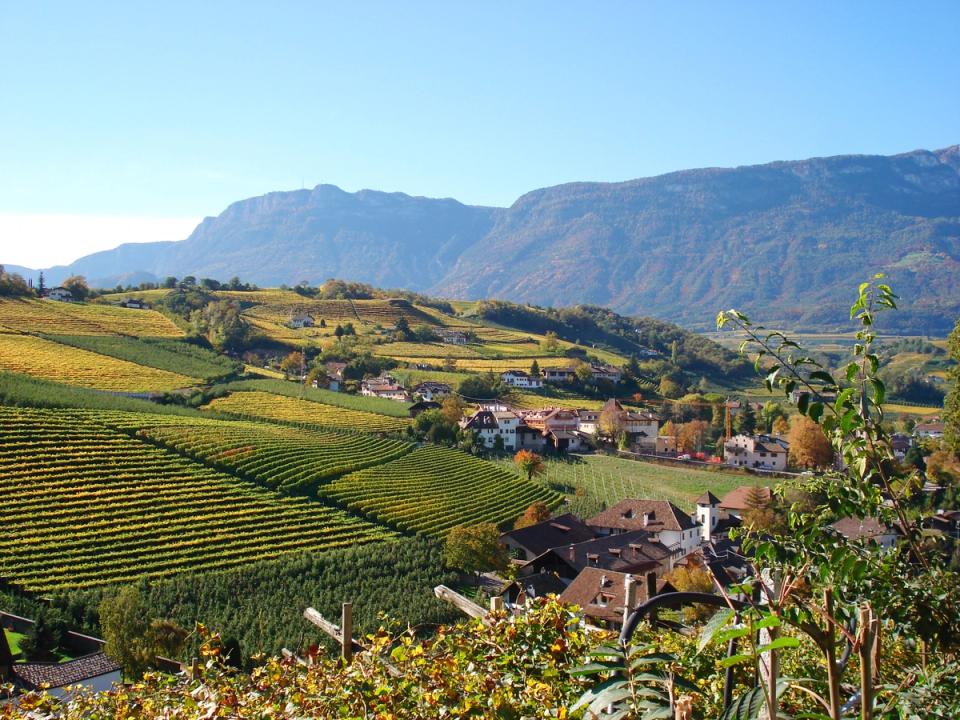
This cycling holiday through South Tyrol to Lake Garda and Venice through the rolling vineyards of Veneto offers a perfect blend of nature, history, and culture.
Best months: April-June and September-October deliver ideal conditions. July-August work for Alpine cycling but lowland areas become uncomfortably warm. Winter suits only the hardy, with snow closing mountain passes and cold temperatures limiting enjoyment.
Southern Italy basks in reliable Mediterranean sunshine. Springs arrive earlier, summers last longer, and winters remain mild enough for year-round coastal cycling. However, July-August heat reaches extreme levels—35-40°C temperatures make afternoon cycling genuinely difficult and potentially dangerous.
Best months: March-May and October-November provide perfect cycling weather. Even December-February allow comfortable cycling along coasts and lowlands. Summer requires early morning starts and midday breaks, limiting cycling hours.
Winner for weather reliability: Southern Italy wins for sunshine guarantees and winter cycling. Northern Italy offers more comfortable summer conditions at elevation.
Northern Italian terrain ranges from flat Po Valley paths to brutal Alpine climbs. Lake Garda offers lakeside flat routes and challenging mountain ascents. Tuscany's rolling hills provide intermediate challenges, while Piedmont combines both approaches. The Dolomites deliver serious mountain cycling rivalling Alps elsewhere.
This variety suits mixed-ability groups, in order to choose your challenge level within single regions. However, popular routes often include significant climbing. Even "moderate" northern tours feature proper hills requiring fitness and bike-handling skills.
Southern Italy generally offers gentler terrain, particularly in Puglia and Sicily's coastal areas. Rolling hills predominate rather than dramatic mountain ranges. Basilicata provides hillier options, while coastal routes from Amalfi to Calabria feature stunning cliff-edge cycling with challenging climbs.
The flatter overall terrain suits leisure cyclists, families, and those prioritising scenery over athletic challenge. E-bikes make even hillier southern routes accessible, effectively eliminating fitness barriers for most riders.
Winner for accessibility: Southern Italy provides easier cycling for most abilities. Northern Italy rewards fitness with spectacular mountain experiences.
Northern Italian cities showcase Renaissance masterpieces, medieval architecture, and contemporary prosperity. Venice, Florence, Verona, and Milan deliver world-class art and culture. However, these attractions bring crowds—Tuscan hill towns overflow with tourists, and Lake Garda's popularity creates summer congestion.
Cycling tourism infrastructure excels in the north. Centuries of international visitors created sophisticated hospitality, English-speaking staff, and services tailored for foreign tourists. Everything functions efficiently but sometimes feels polished rather than authentic.
Southern Italy preserves traditional Mediterranean culture less affected by mass tourism. Puglia's trulli houses, Sicily's Greek temples, and Basilicata's sassi cave dwellings offer unique architectural experiences. Local interactions feel more authentic, though English proficiency varies and services sometimes operate on relaxed southern time.
The relative tourism gap means genuine Italian experiences rather than international resort atmosphere. You'll encounter real Italy—with both charms and occasional frustrations of less tourism-dependent regions.
Winner for authenticity: Southern Italy offers more traditional experiences. Northern Italy provides smoother, more international tourist experiences.
Northern Italian cuisine emphasises butter, cream, risotto, and pasta like tagliatelle. Piedmont delivers world-class Barolo and Barbaresco wines alongside truffle dishes. Lake Garda region produces excellent olive oil. Turin invented modern Italian chocolate culture.
Wine tourism infrastructure allows easy estate visits, tastings, and purchases. Restaurants cater to international palates while maintaining quality. Expect higher prices reflecting northern prosperity and tourist demand.
Southern Italian food celebrates olive oil, tomatoes, seafood, and vegetables. Puglia's orecchiette pasta, Sicily's arancini, and regional seafood dishes showcase Mediterranean simplicity. Primitivo and Nero d'Avola wines gain international recognition while remaining excellent values.
Dining costs significantly less than northern equivalents; €15-20 buys excellent meals in the south versus €25-35 north. Wine, olive oil, and local products cost substantially less, stretching cycling holiday budgets.
Winner for cuisine: Draw—both regions excel differently. Northern Italy wins wine prestige; Southern Italy provides better value and seafood.
Northern cycling infrastructure sets Italian standards. Decades of cycling tourism created excellent route networks, bike rental facilities, cycling-specific accommodations, and support services. Popular routes feature good surfaces, clear signage, and regular services.
However, popularity creates congestion on famous routes. Tuscan classics and Lake Garda circuits can feel overcrowded during peak season. Book accommodations well ahead—popular tours fill months early.
Southern infrastructure continues improving rapidly. Major routes now offer good surfaces and increasing cycling facilities. However, some areas lag behind northern standards—expect occasional rough patches, limited signage, and fewer specialist cycling services.
The infrastructure gap narrows annually as southern regions invest in cycling tourism. Early adopters benefit from developing services without overwhelming crowds. Flexibility and adventure spirit help navigate occasional challenges.
Winner for infrastructure: Northern Italy maintains current advantage, though Southern Italy closes gaps quickly.
Northern cycling holidays cost 20-40% more than southern equivalents. Accommodation, dining, and tour prices reflect higher northern living costs and established tourism premiums. Budget €1,500-2,500 per person for week-long northern tours including accommodation, most meals, and bike rental.
Southern Italy delivers exceptional value. Same-quality accommodations, excellent meals, and comparable cycling experiences cost significantly less. Budget €1,200-2,000 per person for equivalent southern tours. Wine, olive oil, and local products allow bringing home treasures without budget pain.
Winner for value: Southern Italy wins decisively on cost while maintaining quality.
Choose Northern Italy if you want:
Choose Southern Italy if you want:
The honest answer: Both regions deliver outstanding cycling experiences serving different preferences. Northern Italy suits cyclists wanting established infrastructure, cultural tourism, and mountain challenges. Southern Italy appeals to those seeking authentic experiences, value pricing, and Mediterranean sunshine.
For 2026, consider this: Northern Italy continues excellent but increasingly crowded. Southern Italy offers frontier spirit of discovering emerging destinations before mass arrival. If budget allows, experience both, a week in each region reveals Italy's magnificent diversity.
The best cycling holiday isn't north versus south; it's matching region to your priorities. Both await your 2026 discovery with open arms, excellent food, stunning landscapes, and unforgettable cycling.