Bike tour
Lech Cycle Path - From the Alps to Augsburg
Cycle the Lech River from the Alps to Augsburg – Enjoy alpine views, historic towns, and riverside paths on this relaxed route through Austria and Bavaria.

Rob
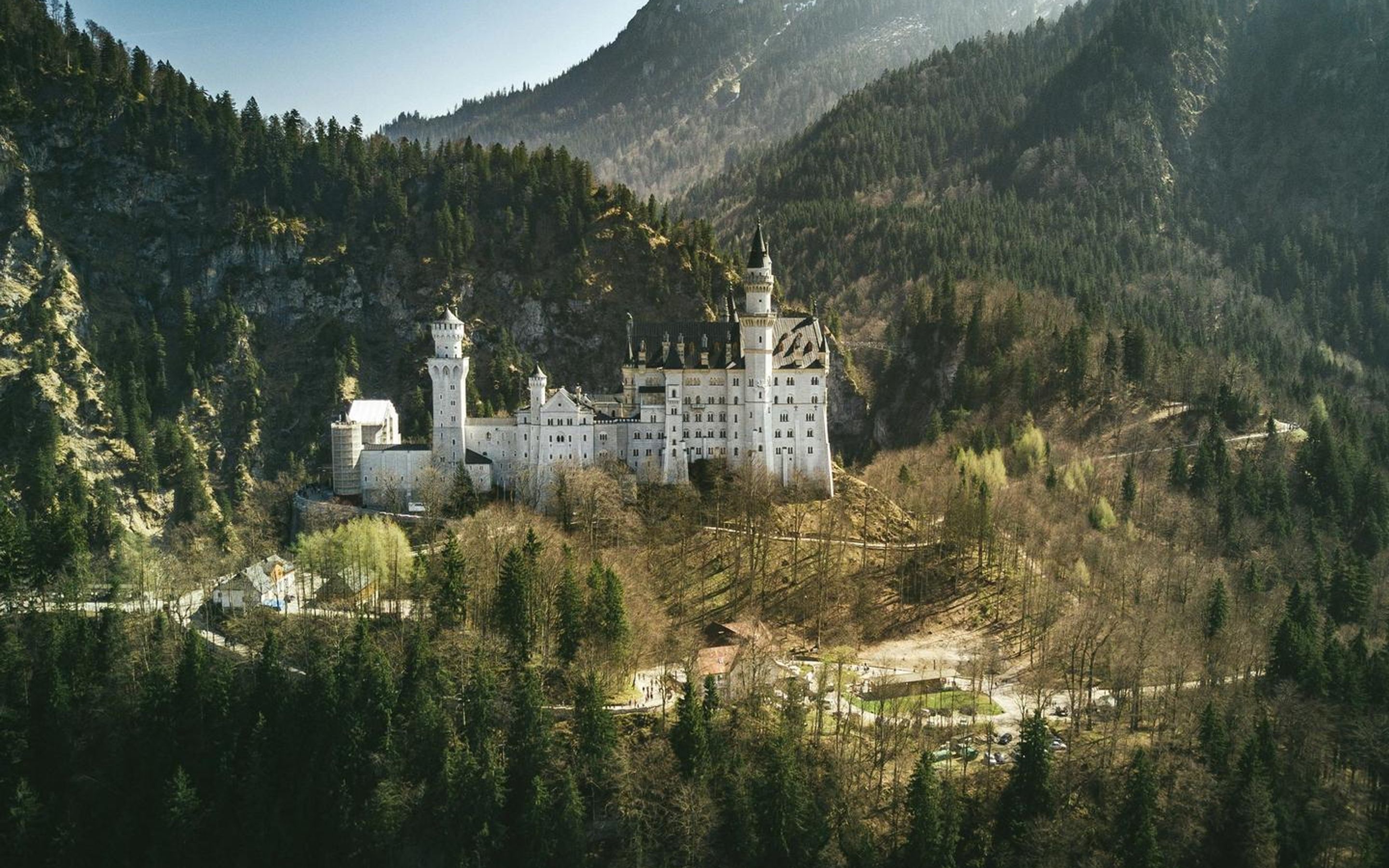
Germany offers cycling holidays that combine exceptional infrastructure, fairy-tale scenery, and the promise of cold beer waiting at the day's end. From the Rhine's legendary castle valley to Bavaria's picture-perfect villages, German cycling delivers well-maintained paths, clear signage, and a culture that genuinely embraces cyclists. Add medieval castles perched on hilltops, charming half-timbered towns, and beer gardens serving local brews, and you've found cycling paradise where efficiency meets enchantment.
German cycling infrastructure ranks among the world's finest. Dedicated cycle paths run alongside rivers and through countryside, separate from motor traffic. Excellent signage eliminates navigation stress, while regular distance markers help track progress. This bike-friendly culture means drivers respect cyclists, towns offer secure bike parking, and accommodations welcome cyclists with storage and maintenance facilities.
The German approach to cycling tourism emphasises comfort and accessibility. River routes follow gentle gradients, making them perfect for families and leisure cyclists. E-bike rental and charging stations appear regularly along popular routes. Accommodation options range from simple guesthouses to luxury riverside hotels, all equipped to serve cycling guests.
Germany's regional diversity creates varied cycling experiences. Northern flatlands contrast with Alpine foothills, while river valleys wind through wine regions and industrial heritage sites. Each region maintains distinct character, cuisine, and landscapes worth exploring by bicycle.
The Rhine Cycle Route ranks among Europe's most popular cycling paths, and for good reason. The Middle Rhine Valley, a UNESCO World Heritage site, features dramatic gorges topped with medieval castles and terraced vineyards producing exceptional Riesling wines. This stretch between Koblenz and Rüdesheim delivers constant visual rewards.
Cycle past legendary castles like Marksburg, Rheinfels, and the Mouse Tower on its island. Each bend reveals another fortress, vineyard, or riverside village. Ferry boats regularly cross the river, allowing route variations and castle exploration. The predominantly flat path makes challenging climbs optional rather than mandatory.
Wine villages along the route invite stops for tastings in traditional wine cellars. September's wine harvest festivals add special atmosphere with local celebrations, fresh grape juice, and new wine. Rhine cruises offer alternative transport options, allowing cyclists to rest while still progressing along the route.
The Danube Cycle Path through Bavaria combines natural beauty with Bavarian culture. Starting in Donaueschingen where the river begins, the route passes through Ulm with its towering cathedral, then into Bavaria's heartland. Regensburg's medieval city centre provides a highlight worthy of extended stops.
The section from Passau into Austria offers particularly beautiful cycling. The river valley narrows into gorges with forested hillsides rising above the water. Passau itself, where three rivers converge, features Italian baroque architecture and wonderful position at Germany's southeastern corner.
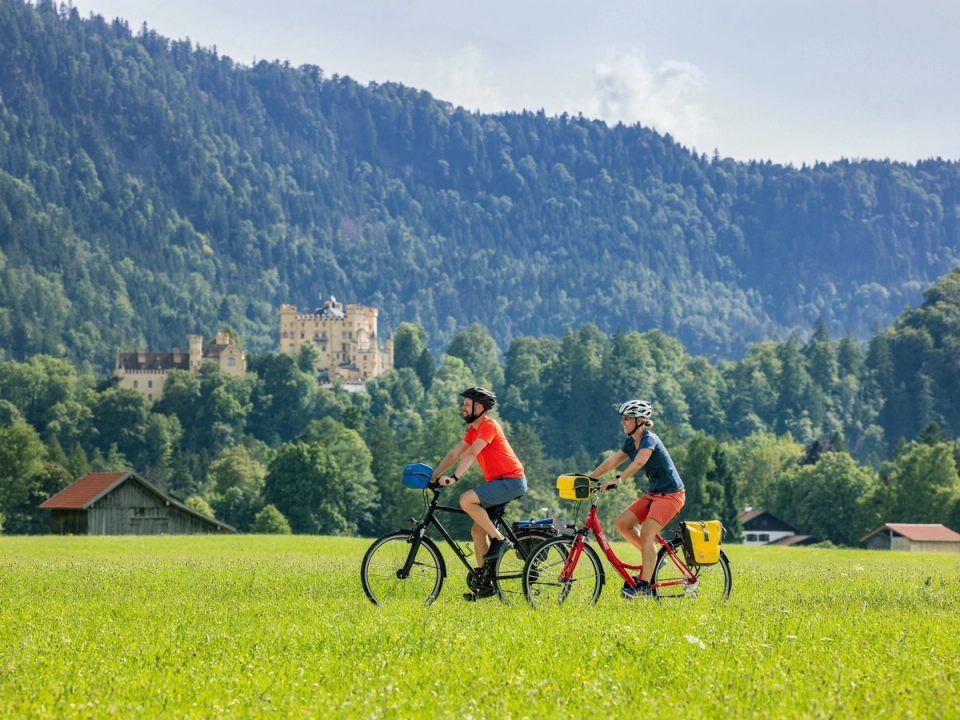
Cycle the Lech River from the Alps to Augsburg – Enjoy alpine views, historic towns, and riverside paths on this relaxed route through Austria and Bavaria.
This route suits all abilities with excellent surfaces and gentle gradients. Numerous towns along the way provide accommodation, meals, and cultural attractions. Medieval abbeys, baroque churches, and traditional Bavarian villages create regular stopping points.
While famous as a driving route, the Romantic Road offers exceptional cycling through Bavaria's picture-perfect landscapes. The route connects medieval walled towns including Rothenburg ob der Tauber, Dinkelsbühl, and Nördlingen. Each town preserves centuries-old architecture, defensive walls, and market squares seemingly unchanged since the Middle Ages.
The terrain features rolling hills more challenging than river routes but rewarding with panoramic countryside views. Fields of sunflowers, wheat, and rapeseed create colourful patchwork landscapes. Traditional Bavarian farms with painted façades dot the countryside between towns.
E-bikes make the Romantic Road accessible to leisure cyclists, smoothing out climbs while preserving the sense of journey. The route's moderate length allows completion in a week with time for town exploration and beer garden relaxation.
The Lake Constance (Bodensee) cycle route circles one of Europe's largest lakes, passing through Germany, Austria, and Switzerland. The flat, well-maintained path offers stunning Alpine views across the water without requiring mountain climbing. This 270-kilometer circuit can be completed in 3-5 days depending on pace.
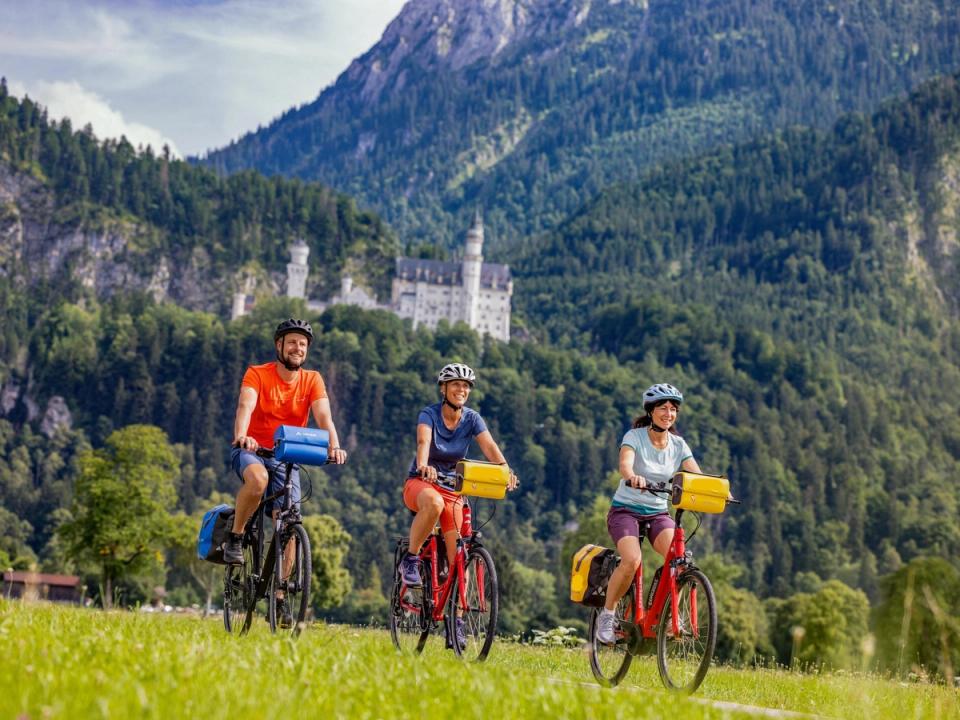
Discover Bavaria by bike from Lake Constance to Königssee. Ride past lakes, castles, and charming Alpine villages.
Historic towns like Konstanz, Lindau, and Meersburg provide cultural stops and accommodation. Medieval island towns, baroque churches, and lakeside promenades create varied scenery. Ferry connections allow shortcuts or day trips to lakeside attractions.
The mild climate and protected location make Lake Constance suitable for longer cycling season than Alpine regions. Swimming opportunities in the lake's clear waters add refreshing breaks on warm days. The region's orchards produce excellent fruit brandies and ciders enjoyed in lakeside gardens.
The Elbe Cycle Route offers flat cycling through northern Germany from Hamburg to Dresden. This route showcases different landscapes than southern routes—wide river valleys, heath lands, and historic Hanseatic cities. Dresden's baroque architecture and Hamburg's maritime character provide compelling urban destinations.
The middle section through Saxon Switzerland delivers dramatic sandstone formations rising from the river. Though flatter overall than southern routes, this section includes hills offering views worth the climbing effort. The route passes numerous castles, including impressive Königstein Fortress.
German beer gardens provide ideal cycling destinations. Traditional gardens serve locally brewed beers, regional food, and convivial atmosphere under chestnut trees. Cyclists receive warm welcome in gardens where locals gather after work and weekends.
Bavarian beer gardens excel in size and authenticity. Munich's famous gardens like Augustiner and Chinese Tower serve traditional lagers in liter-sized Maß glasses. Smaller villages maintain intimate gardens where locals know each other and welcome travellers.
Beer garden etiquette encourages sociability. Communal tables facilitate conversation with locals and fellow travellers. Food ranges from simple pretzels and radishes to hearty roast pork and potato salad. The combination of physical activity, beautiful cycling, and earned refreshment creates perfect holiday balance.
German cycling routes feature excellent amenities. Bike shops appear regularly along popular routes for repairs and rentals. Many train stations offer bike rental and storage. Hotels and guesthouses provide secure bike storage, drying rooms for wet gear, and often packed lunches for next day's cycling.
Route marking uses clear international symbols and local names. Most popular routes provide excellent paper maps and GPS tracks. Mobile apps offer real-time navigation and points of interest.
Popular routes require advance booking, especially during summer and autumn. Book 2-3 months ahead for peak season travel. Many cyclists use luggage transfer services, sending bags ahead while cycling light. This service appears along major routes and significantly improves comfort.
Germans generally speak good English in tourist areas, though learning basic German phrases shows respect. Cycling culture emphasises courtesy; bell ringing warns slower cyclists or pedestrians, and right-side passing is expected. Sunday cycling can encounter large numbers of locals out for weekend rides.
May through September offers best weather, with June and September providing optimal balance of conditions and fewer crowds. Autumn cycling through wine regions showcases harvest activities and beautiful foliage. Rhine festivals throughout summer celebrate local wine, culture, and traditions.
German cycling holidays deliver exceptional experiences combining outstanding infrastructure, rich history, beautiful landscapes, and welcoming culture. Whether following mighty rivers, exploring medieval towns, or conquering gentle countryside, Germany offers routes suited to every interest and ability.
The promise of castle discoveries, cultural immersion, and beer garden relaxation makes German cycling uniquely rewarding. Start planning your German cycling adventure today and discover why cyclists worldwide praise Germany's perfect blend of efficiency, beauty, and cycling-friendly hospitality.