Bike tour
Piedmont Gourmet Loop: Italy’s Garden of Eden
Cycle the Piedmont Gourmet Loop in Northern Italy, exploring rolling hills, charming towns, and tasting exquisite local cuisine and renowned wines on this unforgettable tour.

Rob
Food and cycling holidays celebrate a beautiful paradox, earning extraordinary meals through physical exertion, then savouring them with appetite genuinely deserving of indulgence. Imagine cycling through Piedmont's truffle country, then sitting down to white truffle pasta knowing you've burned 2,500 calories and genuinely earned every sublime bite. Or pedalling Basque coastal roads before feasting on pintxos at San Sebastián's Michelin-starred restaurants without a trace of guilt.
Cycling holidays focused on food transcend standard tours by prioritising culinary experiences as destination rather than afterthought. Routes deliberately connect exceptional restaurants, local markets, artisan producers, and cooking schools. Accommodations feature outstanding dining. Experiences include wine tastings, cheese making, truffle hunting, and chef-guided market visits.
This comprehensive guide explores Europe's finest foodie cycling destinations, what makes culinary cycling holidays special, and how to choose your perfect gastronomic adventure on two wheels.
Cycling burns 400-800 calories hourly depending on intensity and terrain. Daily cycling holidays consume 2,000-3,500 calories, creating enormous caloric deficits allowing genuine enjoyment of rich regional cuisine without dietary guilt.
The satisfaction of sitting down to multi-course dinners knowing you've genuinely earned every course amplifies culinary pleasure. Food tastes better, wine goes down easier, and indulgence feels righteous rather than guilty.
Physical exertion sharpens appetite dramatically. Foods that might seem ordinary after sedentary days taste extraordinary after 50 kilometres of cycling. Fresh bread with local butter becomes transcendent. Simple pasta with olive oil rivals Michelin creations. This heightened appreciation transforms eating from necessity into celebration.
Regular exercise also enhances taste perception—physical activity increases saliva production and taste bud sensitivity, making flavours more vivid and enjoyable.
Cycling's pace allows genuine culinary immersion. You'll stop at village bakeries for fresh morning pastries, visit weekly markets purchasing picnic ingredients from vendors you've conversed with, and discover family restaurants impossible to find from highways.
The intimate scale creates authentic encounters, cheese makers explaining their craft, winemakers sharing family stories, farmers offering vineyard-fresh fruit, and chefs describing dish origins and preparation.
Food represents culture tangibly. Cycling food-focused tours creates understanding of regional identity through cuisine, why Tuscany celebrates pici pasta, how Basque cuisine evolved, what makes Piedmont truffle culture unique, or how French provincial cooking developed.
Experiencing food within its geographic and cultural context, actually cycling through the landscapes producing ingredients, meeting people creating dishes, and understanding seasonal rhythms creates appreciation impossible from restaurant meals alone.
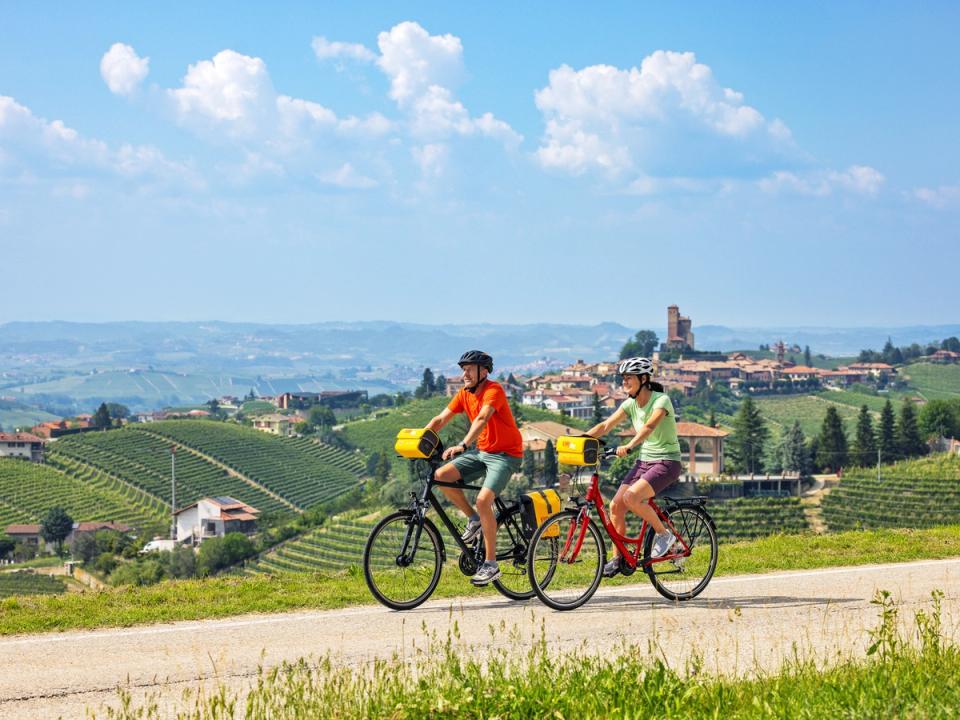
Piedmont combines world-class wines (Barolo, Barbaresco) with legendary white truffles, hazelnuts, and exceptional cuisine influenced by neighbouring France. The region celebrates food religiously—Slow Food movement originated here, and locals consider dining seriously.
Cycle the Piedmont Gourmet Loop in Northern Italy, exploring rolling hills, charming towns, and tasting exquisite local cuisine and renowned wines on this unforgettable tour.
Cycling connects hilltop villages, each offering trattorias, wine cellars, and seasonal specialties. October-November brings white truffle season—Alba's truffle festival attracts global food enthusiasts, and restaurants feature truffle-focused menus.
Signature experiences: Truffle hunting with trained dogs followed by truffle-based feast, Barolo vertical wine tastings, hazelnut product tastings, and multi-course dinners at Michelin-starred restaurants.
Essential dishes: Tajarin (thin egg pasta with butter and white truffle), vitello tonnato, brasato al Barolo, panna cotta.
Spain's Basque region boasts the world's highest concentration of Michelin stars per capita alongside vibrant pintxos (tapas) culture. San Sebastián alone features three 3-Michelin-star restaurants plus countless exceptional casual eateries.
Cycling explores coastal roads, fishing villages, and inland vineyard country. The terrain varies from flat coastal paths to rolling Rioja foothills—moderate difficulty allowing focus on food rather than fitness struggles.
Signature experiences: Pintxos bar crawls through San Sebastián's old town, cooking classes learning traditional Basque techniques, txakoli (sparkling wine) tastings, and Michelin-starred dining.
Essential dishes: Grilled turbot, idiazabal cheese, lamb chops, bacalao pil-pil, burnt Basque cheesecake.
Provence celebrates Mediterranean abundance—olive oil, tomatoes, herbs, seafood, and vegetables transformed into healthy, flavorful cuisine. Village markets throughout the region showcase seasonal produce, artisan cheeses, charcuterie, and prepared foods.
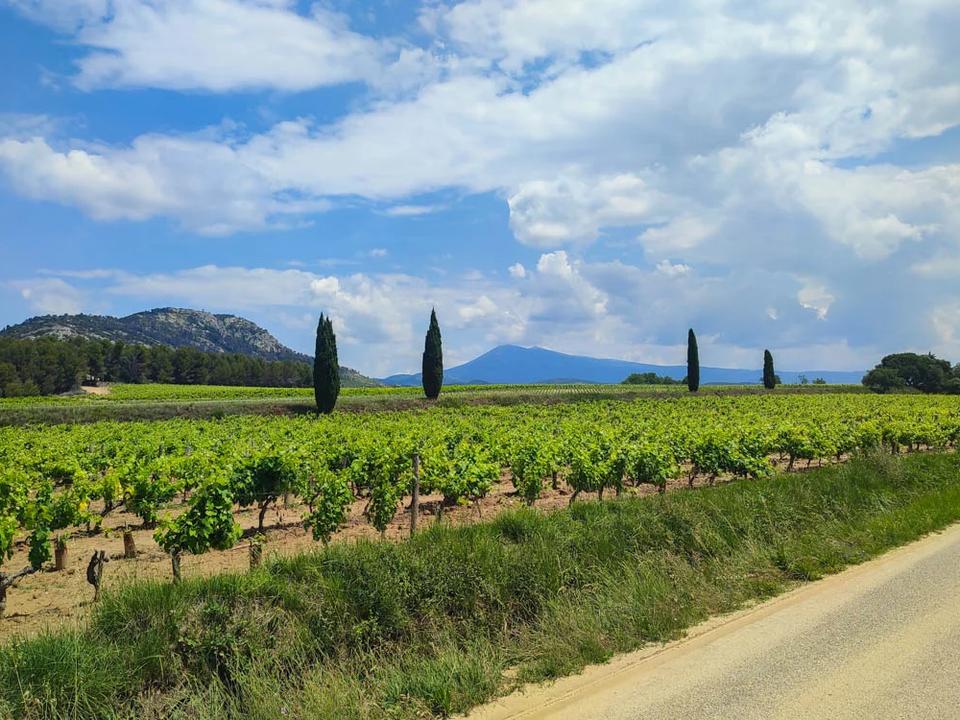
Cycle through the heart of Provence on quiet routes linking Orange, Avignon, Saint Rémy and L’Isle sur la Sorgue. Roman history, vineyard landscapes and classic Provençal towns, all at an unhurried pace.
Cycling connects historic villages, each hosting weekly markets and restaurants emphasising local ingredients. Lavender season (June-July) adds aromatic dimension, while autumn brings mushroom foraging and truffle markets.
Signature experiences: Market tours with chefs followed by cooking classes, olive mill visits and tastings, wine domaine lunches, and Michelin-starred vegetable-focused dining.
Essential dishes: Bouillabaisse, ratatouille, tapenade, socca, daube provençale.
Emilia-Romagna produces Italy's most celebrated foods—Parmigiano-Reggiano, balsamic vinegar, prosciutto di Parma, mortadella, and fresh pasta. The region's flat terrain and cycling infrastructure create easy, food-focused touring.
Cycling connects production facilities—Parmigiano dairies, balsamic vinegar acetaia, prosciutto aging facilities, and pasta factories—with excellent trattorias showcasing regional dishes.
Signature experiences: Parmigiano-Reggiano dairy tours and tastings, traditional balsamic vinegar producers, prosciutto di Parma factories, pasta-making classes, and market visits.
Essential dishes: Tortellini in brodo, tagliatelle al ragù, cotechino, zampone, tigelle.
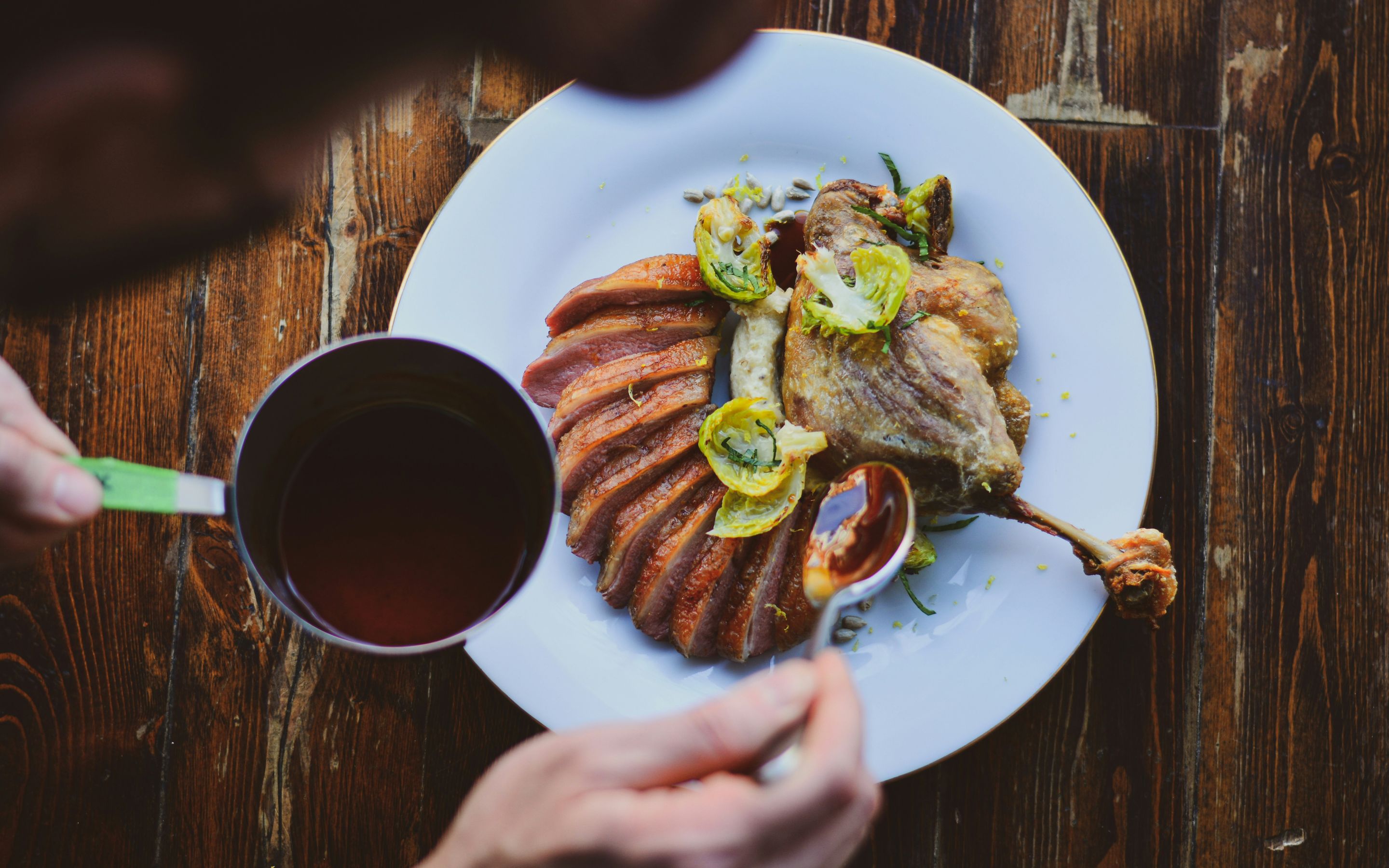
The Dordogne combines stunning landscapes with duck-centred cuisine—confit, foie gras, magret—plus black truffles, walnuts, and exceptional wines. Medieval villages and castle-topped hills create beautiful cycling backdrops.
Terrain rolls moderately—manageable climbing rewarded by views and excellent restaurants. The region sees fewer tourists than Provence or Tuscany, offering authentic French provincial food culture.
Signature experiences: Foie gras producer visits, black truffle markets (December-February), walnut farm tours, market visits, and farmhouse dinners.
Essential dishes: Duck confit, foie gras, magret de canard, walnut tart, pommes sarladaises.
Sicilian cuisine reflects centuries of cultural influences—Greek, Arab, Norman, Spanish—creating unique Mediterranean fusion. The island offers spectacular coastal cycling, ancient ruins, and outstanding seafood.
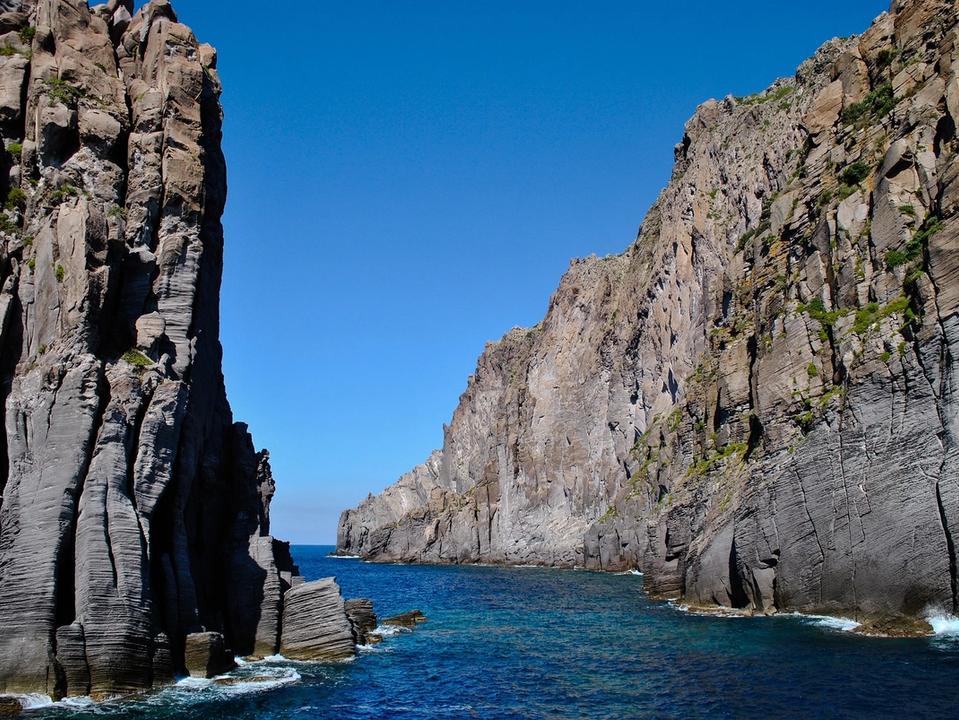
Explore Sicily’s Aeolian Islands by bike and on foot. Discover Vulcano, Stromboli, Salina and Lipari from a traditional sailing boat.
Cycling explores coastal routes, volcanic slopes, and interior valleys. Mount Etna provides dramatic backdrops and fertile volcanic soil producing exceptional produce.
Signature experiences: Street food tours (arancini, panelle, cannoli), fish market visits, cooking classes, wine tastings on Etna's slopes, and seaside seafood feasts.
Essential dishes: Pasta alla Norma, arancini, caponata, swordfish involtini, cassata, granita.
Burgundy's food culture matches its wine fame—snails, beef stew, mustard, and gougères (cheese puffs) alongside legendary wines. The cuisine emphasises rich sauces, local Charolais beef, and wine-based preparations.
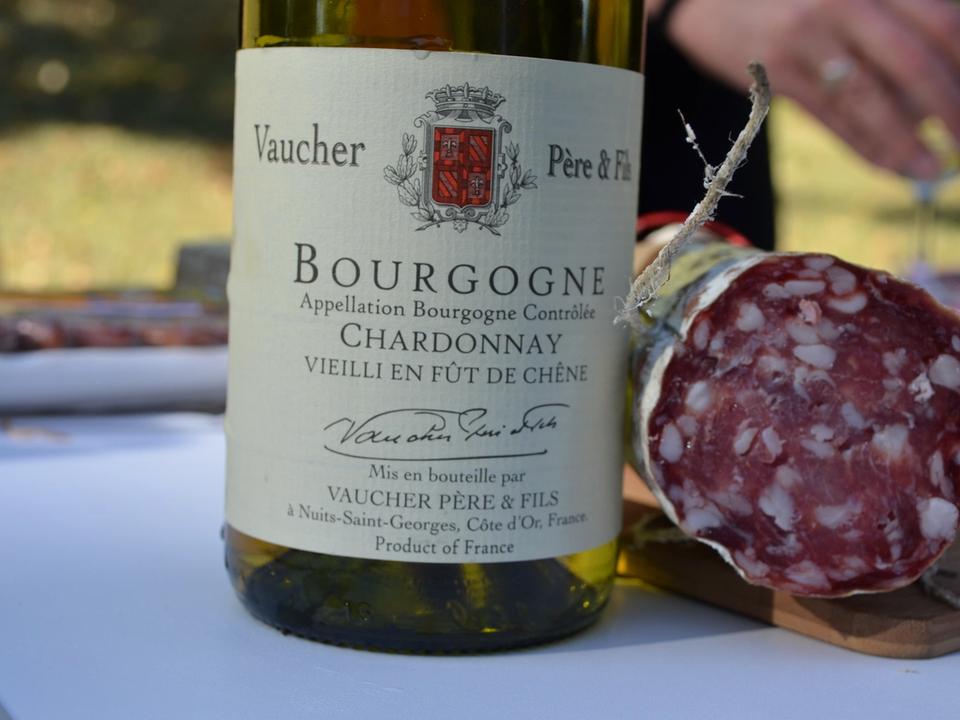
Luxury cycling holiday in Burgundy with scenic backroads, vineyard rides, exceptional food and wine, and stays in beautiful boutique hotels. Slow, indulgent, unforgettable.
Cycling follows gentle vineyard paths connecting wine villages and Beaune's exceptional restaurants. The combination of accessible terrain, wine culture, and outstanding cuisine creates ideal foodie cycling.
Signature experiences: Wine and cheese pairings, mustard makers, market visits, vineyard picnics, and classic bistro dining.
Essential dishes: Escargot de Bourgogne, boeuf bourguignon, coq au vin, gougères, pain d'épices.
Many foodie cycling tours include hands-on culinary experiences—pasta-making in Tuscany, pintxos preparation in San Sebastián, market-based cooking classes in Provence, or cheese-making workshops. These create deeper understanding and provide skills replicable at home.
Meeting artisan food producers—cheese makers, charcuterie craftspeople, olive oil producers, vinegar makers—reveals craft and passion behind products. Many producers offer tastings and direct sales impossible to find commercially.
European food markets showcase regional abundance and seasonal rhythms. Chef-guided market visits explain ingredient selection, introduce regional specialties, and often conclude with meals prepared from purchased ingredients.
Foodie cycling tours include restaurant reservations ranging from family trattorias to Michelin-starred establishments. The spectrum provides comprehensive culinary perspectives—traditional home cooking, innovative interpretations, and haute cuisine excellence.
Many tours include sommelier-led wine pairing sessions teaching principles of food and wine harmony, regional pairing traditions, and tasting techniques.
Guided foodie tours: Provide seamless culinary access—pre-arranged restaurant reservations, producer visits requiring advance booking, cooking class coordination, and insider recommendations. Guides often possess culinary expertise enhancing experiences.
Self-guided foodie tours: Offer flexibility with curated restaurant recommendations, market timing, and suggested producer visits. Works well for food-savvy travellers comfortable making spontaneous discoveries.
Foodie cycling tours typically emphasise moderate distances allowing ample time for culinary experiences. Daily rides run 35-55 kilometres—sufficient exercise earning meals without exhaustion preventing enjoyment.
Terrain varies by region but rarely extreme—food culture thrives in gentler landscapes (flat valleys, rolling hills) rather than harsh mountains. This accessibility makes foodie cycling suitable for moderate fitness levels.
Food-focused cycling follows harvest calendars:
Spring (April-June): Asparagus season, spring vegetables, lamb, new wines
Summer (July-August): Tomatoes, Mediterranean vegetables, stone fruit, peak market abundance
Autumn (September-November): Mushrooms, truffles, vendange, game season, harvest festivals
Winter (December-February): Truffles, citrus, hearty stews, reduced tourism
Autumn often provides optimal combinations—harvest abundance, comfortable cycling temperatures, and seasonal specialties.
Foodie cycling holidays command premium pricing—exceptional dining, producer visits, cooking classes, and quality accommodations increase costs. Expect £1,800-£3,500 weekly depending on destination and luxury level.
However, value proves excellent—experiences access impossible independently, restaurant quality justifies costs, and included meals eliminate additional dining expenses.
Food-focused cycling holidays attract culinary enthusiasts wanting active holidays, travellers seeking cultural immersion through cuisine, couples celebrating special occasions, and anyone believing food represents travel's greatest pleasure.
These tours suit moderate cyclists comfortable with 4-6 hours daily riding—the emphasis balances cycling pleasure with culinary discovery rather than athletic achievement.
Typical days begin with quality breakfasts featuring local specialties. Morning cycling explores landscapes producing afternoon's meals—cycling through Parmigiano country before visiting dairies, or pedalling vineyard roads before wine tastings.
Midday brings market visits or producer tours followed by long, leisurely lunches. Afternoon cycling remains light, allowing food and wine to digest. Evenings center on excellent dinners, often preceded by cooking demonstrations or wine education.
Rest days provide opportunities for extensive cooking classes, multi-course Michelin experiences, or deep cultural exploration.
Food and cycling holidays create memories beyond typical tours—extraordinary meals genuinely earned, cultural insights through cuisine, artisan producers sharing passions, and the satisfaction of combining physical achievement with sensory pleasure.
You'll remember cycling through truffle forests before feasting on white truffle pasta, conversations with cheesemakers, market discoveries, and dinners where every course reflected landscapes you'd pedalled through.
Your food-soaked cycling escape awaits—European culinary traditions, passionate producers, and the perfect fusion of pedalling and feasting.