Bike tour
Amsterdam to Bruges: Canals and Culture
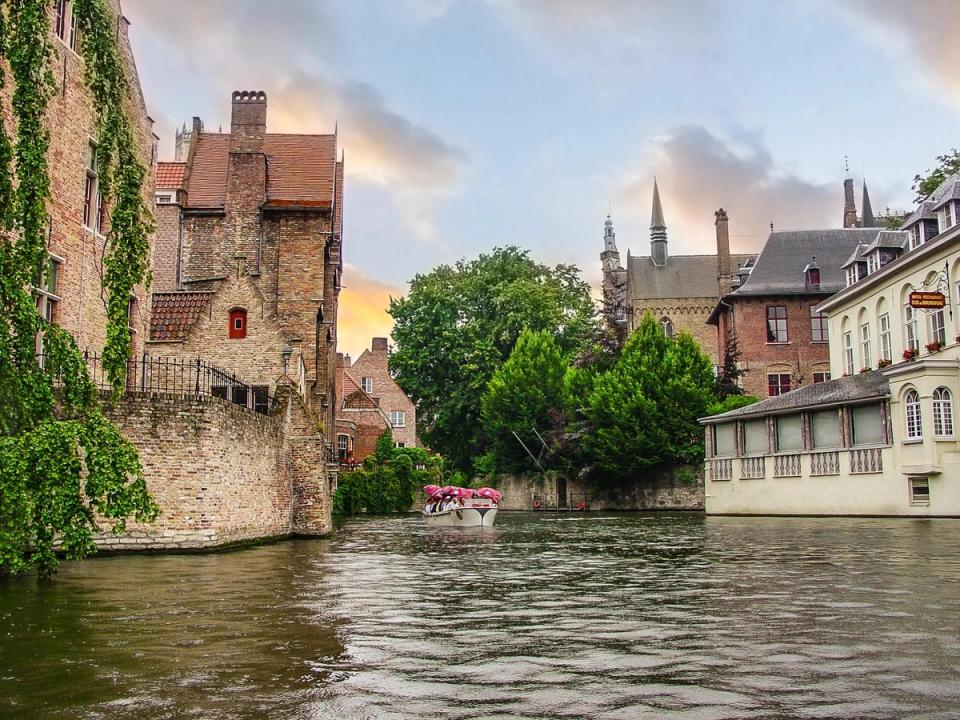
Explore Holland and Belgium by bike and boat: 8 days of flat cycling, cultural highlights, and scenic waterways from Amsterdam to Bruges.

Rob
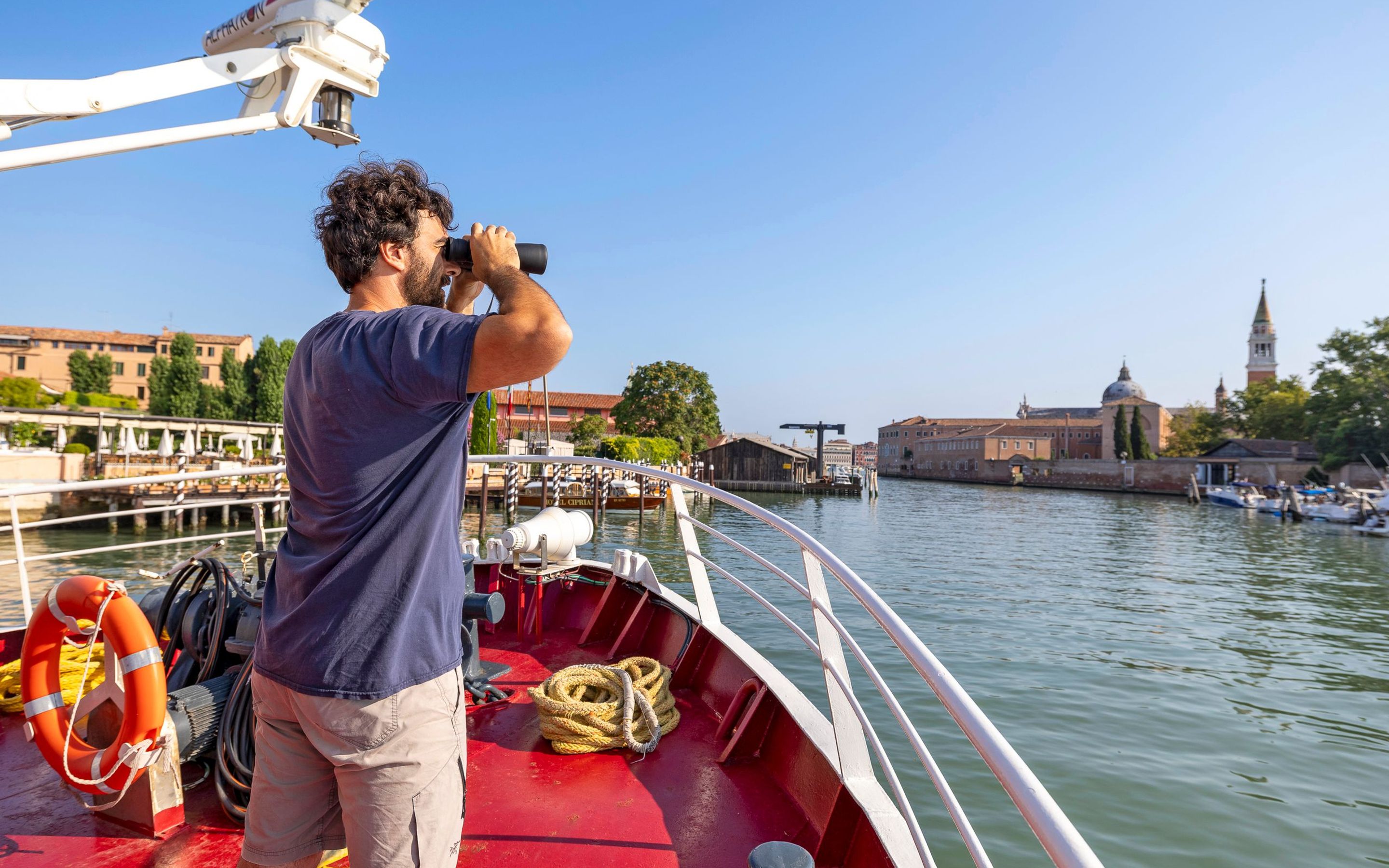
Bike and barge holidays combine two distinctive travel pleasures—cycling through European landscapes by day, then relaxing aboard a floating hotel cruising to tomorrow's destination overnight. This unique format maximises regional coverage whilst maintaining comfortable, consistent accommodation. You'll cycle 40-60 kilometres daily exploring riverside paths, canal towpaths, and countryside routes, then board your barge for dinner, socialising, and overnight passage whilst you sleep.
The format elegantly solves touring challenges—no daily accommodation changes requiring packing and unpacking, no luggage carrying whilst cycling, and extensive regional coverage without exhausting daily distances. Barges provide stable floating bases whilst cycling explores areas inaccessible to watercraft.
This comprehensive guide explains how bike and barge holidays work, which European routes suit this format perfectly, and how to choose your ideal cycling and cruising adventure.
Mornings begin aboard your moored barge with breakfast and daily briefing. Tour leaders explain routes, highlight points of interest, and distribute GPS devices or paper maps. You disembark with your bike (stored aboard overnight), cycling independently or with groups following designated routes.
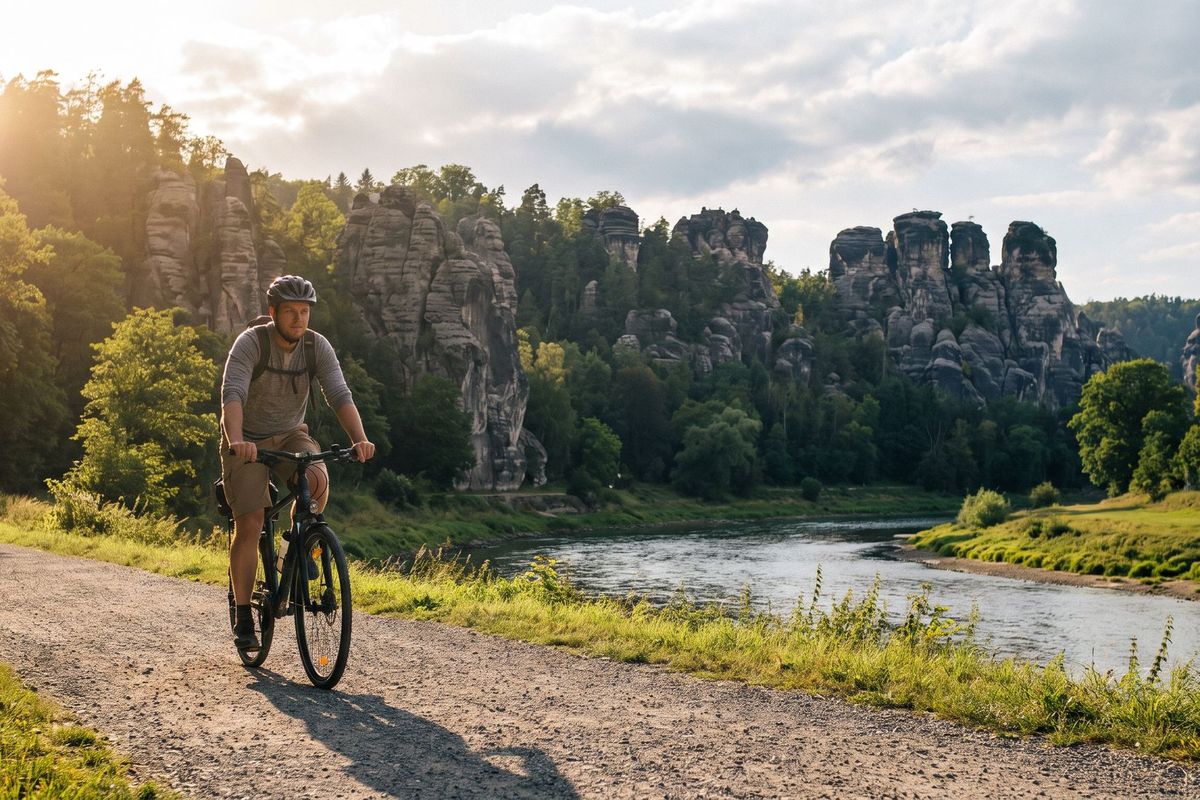
Routes generally run parallel to waterways—rivers, canals, or lakes—with barge following the same course. This provides security knowing your accommodation travels nearby. Most routes remain flat or gently rolling, following natural water-level gradients.
Midday brings picnic lunches (often provided by barge crew) or stops at riverside restaurants. Afternoon cycling continues, typically concluding mid-to-late afternoon at predetermined meeting points where barges await.
Evenings aboard feature multi-course dinners prepared by barge chefs, time socialising with fellow passengers, and optional excursions to nearby towns. Overnight, barges cruise to next day's starting point—you sleep whilst travelling, waking to new landscapes.
Bike and barge vessels range from traditional canal boats accommodating 20-25 passengers to larger river cruise barges hosting 40-50 guests. Most feature:
Cabins: Compact but comfortable twin or double cabins with ensuite facilities (shower, toilet, basin). Cabins include windows or portholes, storage, and basic amenities. Expect cosy rather than spacious—similar to train sleeper compartments.
Public spaces: Lounge/dining areas, often featuring panoramic windows, outdoor deck seating, and small sun decks. Comfortable but not luxurious—emphasis on practicality and sociability.
Facilities: Full-service dining (breakfast, packed lunches, dinners), limited bar service, bike storage areas, and basic laundry facilities.
Crew: Captain and navigation crew, chef and kitchen staff, tour leaders providing cycling guidance, and housekeeping maintaining cabins and public areas.
Self-paced cycling: Most bike and barge tours allow cycling at your own pace—faster riders complete routes earlier, slower cyclists take their time. Tour leaders typically lead morning departures but don't enforce group riding.
Route options: Many tours offer daily route variations—longer or shorter alternatives, more challenging or easier terrain, cultural detours visiting specific sites.
Support: Tour leaders carry mobile phones for emergencies, and barges follow routes allowing support if needed. However, you're generally independent throughout cycling days.
Bikes: Tours typically include bike rental (standard touring bikes, e-bikes available for supplements). You may bring personal bikes but must manage loading/unloading.
The Netherlands pioneered bike and barge holidays, offering extensive canal and river networks perfectly suited to this format. Routes explore iconic Dutch landscapes—windmills, tulip fields, historic cities, and polder countryside.
Explore Holland and Belgium by bike and boat: 8 days of flat cycling, cultural highlights, and scenic waterways from Amsterdam to Bruges.
Popular routes:
Characteristics: Completely flat terrain, excellent cycling infrastructure, dense points of interest, April-September season optimal.
The Danube offers Europe's most popular river cycling route, with bike and barge tours combining cruise comfort with cycling freedom. The Passau-Vienna-Budapest corridor provides stunning landscapes, medieval towns, and world-class wine regions.
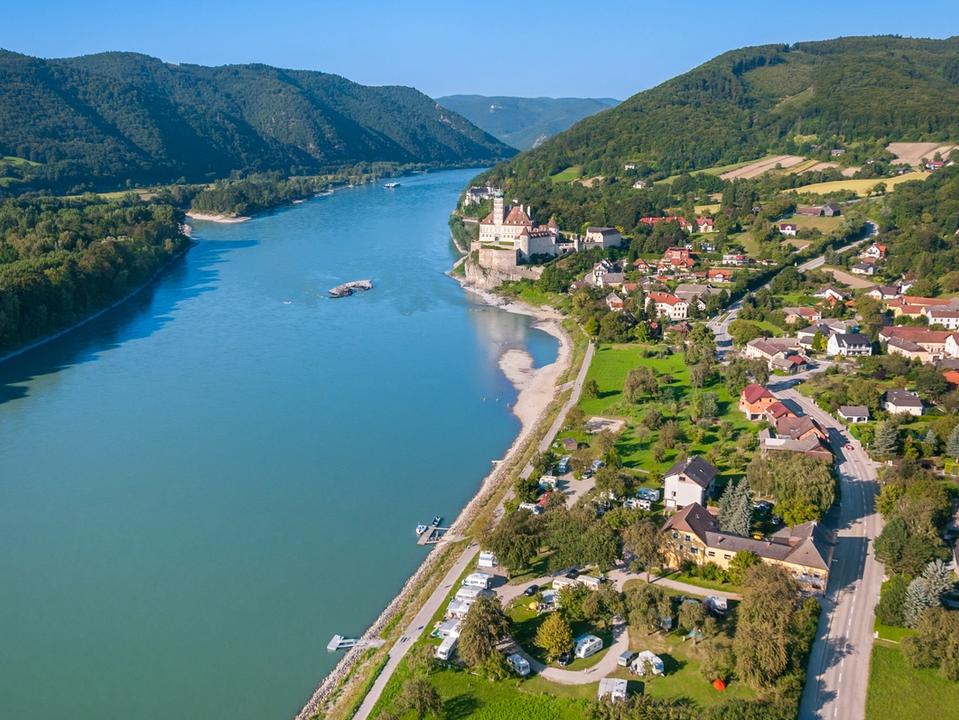
Explore the Danube by bike and boat from Passau to Budapest, visiting Vienna, Bratislava and scenic villages along the way.
Popular routes:
Characteristics: Predominantly flat riverside paths, dedicated Danube Cycle Path infrastructure, April-October season, cultural richness.
Belgium and France's extensive canal networks create peaceful bike and barge routes through lesser-known regions. These tours emphasise tranquillity, gastronomy, and rural French/Belgian culture.
Popular routes:
Characteristics: Flat canal towpaths, quiet routes, culinary focus, April-October season, authentic rural experiences.
Germany's Rhine and Moselle rivers combine dramatic scenery with wine culture and medieval castles. Bike and barge tours navigate these legendary waterways whilst cycling explores riverside villages and vineyard paths.
Popular routes:
Characteristics: Predominantly flat riverside cycling, cultural and wine focus, April-October season, scenic grandeur.
Italy's Po Delta and Venetian Lagoon offer unique bike and barge experiences combining cycling through UNESCO-protected wetlands with Venice exploration. These routes emphasise nature, seafood, and Venetian culture.
Characteristics: Completely flat cycling, bird-watching opportunities, seafood cuisine, May-September optimal, unique ecosystem exploration.
No accommodation changes: Unpack once, settle into your cabin, and enjoy consistent accommodation throughout the week—no nightly repacking or adapting to different rooms.
No luggage carrying: Panniers and luggage remain aboard—cycling with just daypacks containing water, snacks, and cameras.
Extensive coverage: Cover greater distances overall through overnight barge travel, exploring regions that would require excessive daily cycling kilometres on traditional tours.
Social atmosphere: Shared dining and evening time aboard creates camaraderie amongst passengers, meeting like-minded cycling enthusiasts.
Unique experience: Combines cycling's freedom with cruising's relaxation, offering variety impossible on pure cycling or pure cruise holidays.
Cabin space: Cabins prove compact—acceptable for sleeping but limited for daytime use. Claustrophobic individuals may struggle.
Route constraints: Cycling follows waterways—sometimes limiting destination variety or requiring less scenic sections connecting interesting areas.
Weather dependence: Both cycling and canal/river navigation affected by weather. Extreme conditions (storms, flooding, drought) can disrupt schedules.
Limited flexibility: Routes and schedules predetermined by barge capabilities and waterway regulations—less spontaneous than self-guided tours.
Group dynamics: Shared spaces mean limited privacy and dependence on compatible fellow passengers for enjoyable experiences.
Most bike and barge routes suit moderate fitness levels:
Easy (Netherlands, Belgian canals): Completely flat, 30-45km daily, perfect for leisurely cycling focusing on culture and scenery rather than fitness challenges.
Moderate (Danube, Rhine, Moselle): Predominantly flat with occasional gentle hills, 40-60km daily, comfortable for regular recreational cyclists.
E-bikes: Widely available, making all routes accessible to less fit cyclists or those wanting relaxed riding.
Smaller barges (20-25 passengers): More intimate atmosphere, personalised service, access to narrower canals, higher per-person costs.
Larger barges (40-50 passengers): More socialising opportunities, better facilities, economies of scale reducing costs, restricted to major waterways.
Luxury vs standard: Luxury barges feature superior cabins, gourmet dining, premium bikes, and higher service levels. Standard barges provide comfortable basics emphasising value.
Guided departures: Tour leaders lead morning rides, provide navigation assistance, and share local knowledge. Suitable for navigation-anxious cyclists or those wanting social group riding.
Self-guided with support: Tour leaders provide route briefings and emergency support but don't lead rides. Offers independence whilst maintaining safety net.
Peak season (July-August): Warmest weather, longest days, highest demand, premium pricing. Best for guaranteed weather but busiest routes.
Shoulder season (May-June, September-October): Comfortable temperatures, fewer cyclists, lower costs, beautiful spring or autumn landscapes. Often ideal timing.
Special events: Dutch tulip season (mid-April to early May), Burgundy vendange (September-October), Christmas markets (December on some routes).
Bike and barge holidays typically cost £900-£1,800 weekly per person depending on route, season, barge quality, and cabin type.
Usually included:
Additional costs:
Ideal for:
Less suitable for:
Bike and barge holidays book 4-6 months ahead for peak season, particularly popular routes like Netherlands tulip tours or Danube stretches. Shoulder season allows shorter booking windows (6-10 weeks).
Cabin selection matters—upper deck cabins cost more but offer better views and less engine noise. Forward cabins experience more movement; mid-ship locations provide most stability.
Bike and barge holidays create distinctive travel experiences impossible through pure cycling or pure cruising. You'll remember morning departures from moored barges, cycling through countryside knowing your floating hotel follows nearby, afternoon arrivals finding your barge awaiting, evening dinners discussing the day's discoveries with fellow passengers, and waking to new landscapes accessed effortlessly overnight.
The format suits those wanting active days without logistics stress, cultural immersion without accommodation uncertainty, and social connection without forced group dynamics.
Your cycling and cruising adventure awaits—European waterways, countryside paths, and the perfect combination of pedalling and sailing.