Bike tour
Dolomites to Lake Garda, Verona & Venice
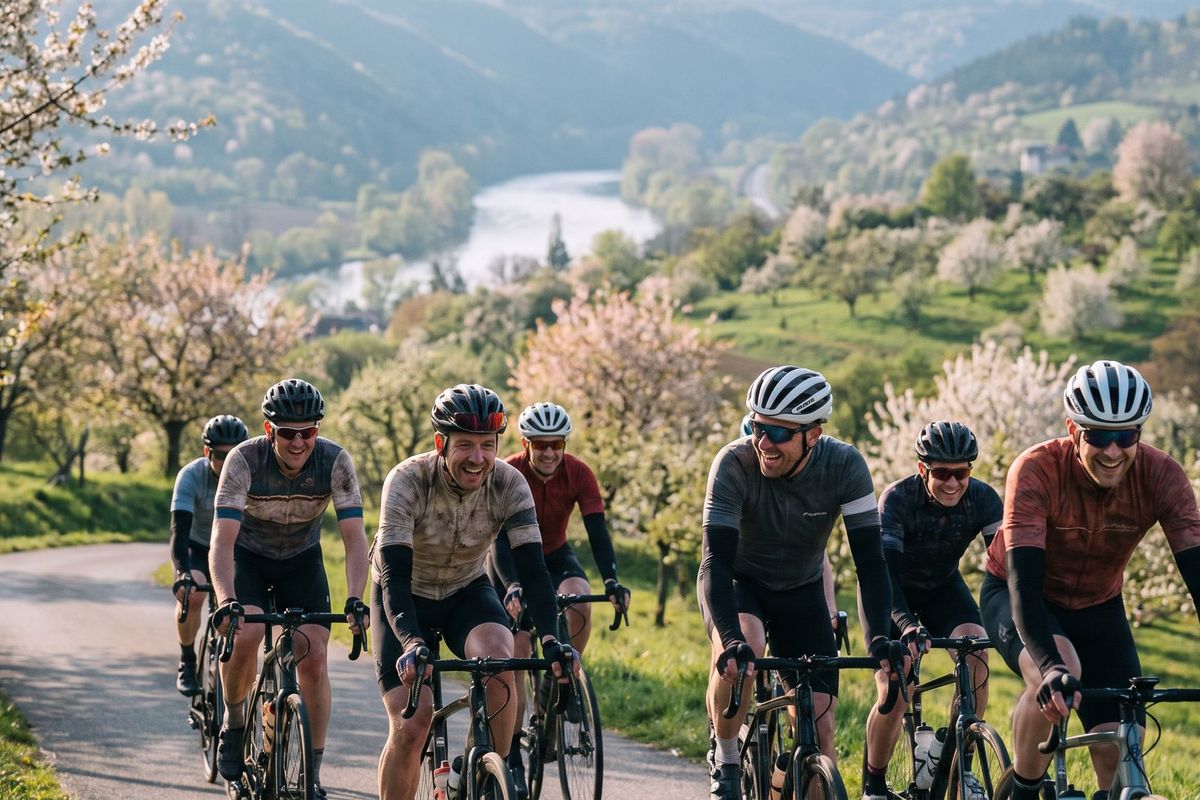
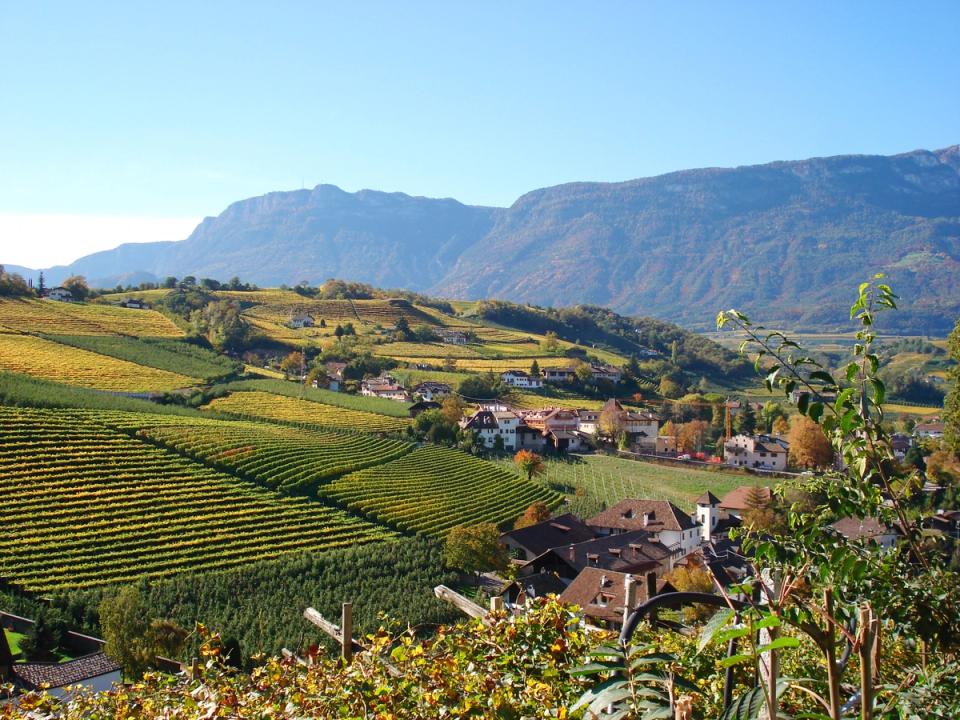
This cycling holiday through South Tyrol to Lake Garda and Venice through the rolling vineyards of Veneto offers a perfect blend of nature, history, and culture.

Rob

Italy represents Europe's most beloved cycling destination—world-class cuisine, stunning landscapes, Renaissance culture, and exceptional infrastructure attracting cyclists globally. Yet Italy divides dramatically between north and south, creating fundamentally different cycling experiences. Northern Italy delivers Alpine grandeur, lake districts, Prosecco hills, and sophisticated northern European influence. Southern Italy offers Mediterranean warmth, dramatic coastlines, ancient ruins, and authentic Italian traditions less diluted by tourism.
Understanding these differences helps cyclists choose regions matching their preferences for terrain, culture, climate, and atmosphere. This comprehensive guide compares Northern and Southern Italy across every relevant dimension, helping you decide which suits your cycling ambitions and where is best for your next Italian cycle holiday.
Northern Italy: Regions north of Florence—Piedmont, Lombardy, Veneto, Trentino-Alto Adige, Friuli-Venezia Giulia, Emilia-Romagna, Liguria. Includes Italian Lakes, Dolomites, Prosecco Hills, Po Valley, and Cinque Terre.
Southern Italy: Regions south of Rome—Campania, Puglia, Basilicata, Calabria, Sicily. Includes Amalfi Coast, Puglia, Sicilian coast, and interior mountains.
Central Italy (Tuscany, Umbria, Marche) shares characteristics of both—we'll note where these fit.
Terrain diversity: Northern Italy spans extremes, from completely flat Po Valley and lake circuits to dramatic Dolomite mountains reaching 2,000+ metres. This variety accommodates all fitness levels within relatively compact areas.
Classic routes:
Cycling infrastructure: Exceptional dedicated paths, widespread cyclist services, established touring culture. Northern Italy pioneered European cycling tourism—infrastructure reflects this maturity.
Difficulty range: Complete spectrum from easy (Lake Garda perimeter) to extreme (Dolomite passes). Most regions offer moderate rolling terrain with optional challenging climbs.
Terrain character: Predominantly coastal routes or interior mountains—less middle ground than north. Coastal cycling offers dramatic Mediterranean views with moderate climbing; interior routes prove genuinely mountainous.
Classic routes:
Cycling infrastructure: Developing rather than established. Main routes suitable but fewer dedicated cycle paths, less cyclist-specific services. More authentic, less commercialised.
Difficulty range: Coastal routes moderate-challenging with significant climbing. Interior routes genuinely difficult. Puglia exceptional for easy cycling; elsewhere assumes good fitness.
Spring (April-June): Ideal timing—15-22°C, occasional rain, lake and valley regions perfect. Alpine passes snow-covered until late May/June.
This cycling holiday through South Tyrol to Lake Garda and Venice through the rolling vineyards of Veneto offers a perfect blend of nature, history, and culture.
Summer (July-August): Hot in valleys and cities (28-35°C), comfortable in mountains (18-25°C). Peak tourist season—crowded, expensive.
Autumn (September-October): Excellent conditions—18-25°C, harvest season, beautiful colours. Alpine passes close after early October snow.
Winter (November-March): Cold, wet, unsuitable for cycling except brief mild spells. Ski season in mountains.
Best timing: May-June (spring beauty, manageable crowds), September (harvest, comfortable temperatures).
Spring (March-May): Increasingly warm—18-24°C, perfect coastal cycling, wildflowers, uncrowded. Best overall timing.
Summer (June-August): Very hot (28-38°C), particularly inland. Coastal breezes help but midday cycling challenging. Peak tourism on Amalfi Coast.
Autumn (September-November): Warm through October (22-28°C), November cooling (18-22°C). Excellent extended season avoiding summer heat.
Winter (December-February): Mild compared to north (12-18°C), occasional wet periods, viable cycling November-March. Sicily particularly good winter destination.
Best timing: April-May (optimal temperatures, spring beauty), October-November (warm, uncrowded, harvest season).
Character: European sophistication, industrial prosperity, efficient infrastructure, international influence. Cities modern and organised; tourism established and professional.
Cuisine: Butter, cream, risotto, polenta, mountain cheeses, white truffles (Piedmont), prosecco. Influenced by French, Austrian, Swiss neighbours.
Wine: Barolo, Barbaresco, Prosecco, Franciacorta, Amarone—prestigious, expensive, internationally renowned.
Language: More English spoken, particularly tourist areas. Germanic influences in Alto Adige (German widely spoken).
Atmosphere: Polished, professional, sometimes less spontaneously warm. Services reliable, systems function smoothly.
Character: Mediterranean passion, slower pace, traditional lifestyles, authentic Italian culture less diluted by international tourism.
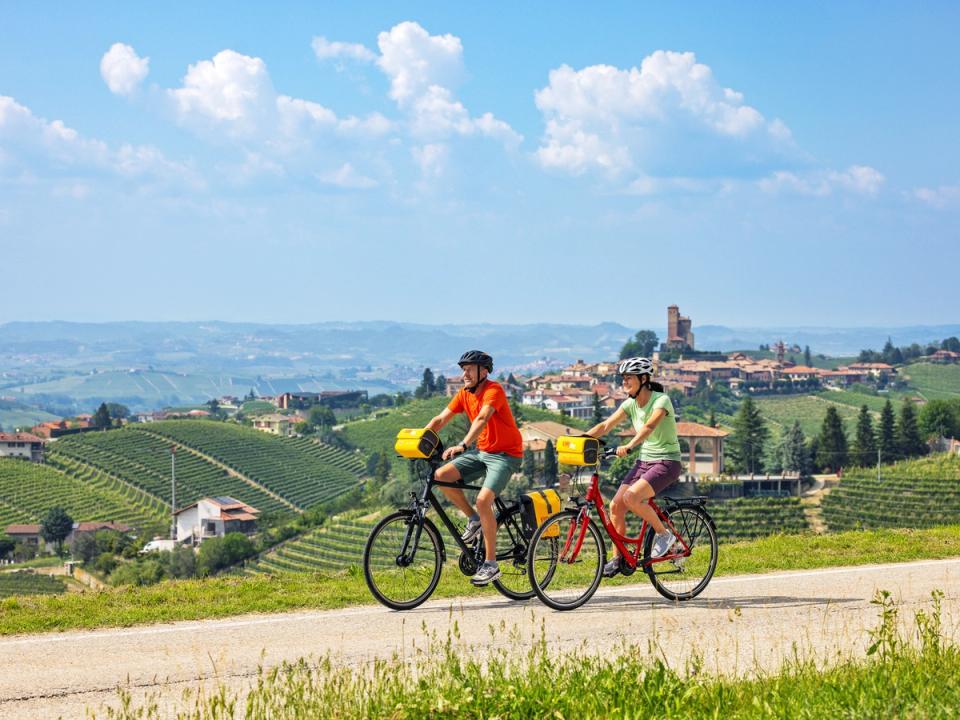
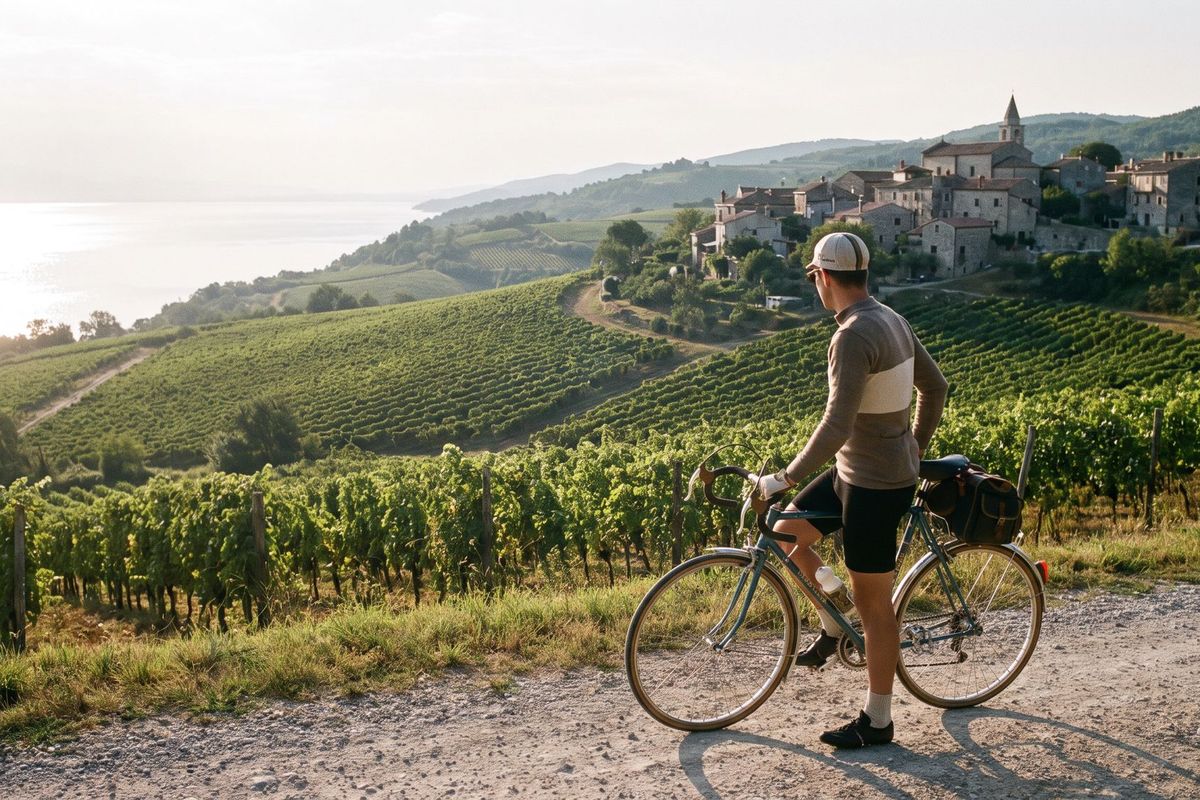
Cycle the Piedmont Gourmet Loop in Northern Italy, exploring rolling hills, charming towns, and tasting exquisite local cuisine and renowned wines on this unforgettable tour.
Cuisine: Olive oil, tomatoes, seafood, vegetables, buffalo mozzarella, pasta-focused. Simple, fresh, intensely flavoured.
Wine: Primitivo, Nero d'Avola, Aglianico—excellent value, less internationally famous, increasingly recognised quality.
Language: Less English spoken—gestures and patience essential. Authentic linguistic immersion.
Atmosphere: Spontaneously warm, chaotic charm, systems occasionally frustrating but people generally more immediately welcoming.
Accommodation: Wide range—luxury hotels, boutique agriturismi, budget pensions. High standards, reliable booking systems, cyclist-friendly establishments common.
Food services: Restaurants everywhere, varied quality from tourist traps to Michelin stars. Markets excellent, supermarkets well-stocked.
Bike services: Extensive rental availability, bike shops in most towns, mechanics familiar with touring bikes, widespread e-bike infrastructure.
Tour operators: Numerous established operators, well-developed itineraries, comprehensive support services.
Accessibility: Excellent international airports (Milan, Venice, Verona), good rail networks, rental car convenience.
Accommodation: More variable—excellent agriturismi and boutique hotels exist but require research. Cyclist-specific services less common.
Food services: Outstanding authentic restaurants, brilliant local markets, limited supermarket convenience in rural areas. Need Italian basics or willingness to ask locals.
Bike services: Rental availability limited outside major towns, bike shops exist but touring knowledge variable, e-bike infrastructure developing.
Tour operators: Fewer established operators, more adventurous independent touring required for many routes.
Accessibility: Naples airport serves Amalfi/Campania; Bari/Brindisi for Puglia; Palermo/Catania for Sicily. Rail connections less comprehensive than north.
Accommodation: €80-200 nightly (modest to excellent), €200+ luxury
Meals: €15-25 lunch, €25-50 dinner at good restaurants
Wine: €4-8 glass, €20-60 bottle (restaurants)
Bike rental: €25-40 daily standard, €50-70 e-bikes
Overall: 20-40% more expensive than south
Accommodation: €60-140 nightly (modest to excellent), €140+ luxury
Meals: €10-18 lunch, €18-35 dinner at good restaurants
Wine: €3-6 glass, €12-40 bottle (restaurants)
Bike rental: €20-35 daily standard, €40-60 e-bikes
Overall: Better value generally, particularly dining and wine
Best northern destinations: Lake Garda, Dolomites, Prosecco Hills, Piedmont wine country, Cinque Terre coast.
Best southern destinations: Puglia (easiest terrain), Amalfi Coast (dramatic scenery), Sicily (variety and culture), Basilicata (adventurous).
Central Italy (Tuscany, Umbria) balances northern infrastructure with southern warmth:
For first-time Italian cyclists uncertain about north versus south, central Italy provides ideal middle ground.
Day 1-2: Lake Garda circuit (90km total, easy)
Day 3-4: Prosecco Hills from Valdobbiadene (100km total, moderate)
Day 5-7: Dolomite passes from Cortina (challenging)
Day 1-3: Amalfi Coast loops from Sorrento (moderate-challenging)
Day 4-7: Puglia coastal routes and interior towns (easy-moderate)
Neither north nor south proves objectively better—they offer different cycling experiences suited to different preferences. Northern Italy delivers established, reliable touring with diverse terrain and sophisticated services. Southern Italy provides authentic Mediterranean cycling, dramatic coastal routes, and better value.
Many cyclists eventually explore both—northern Italy for alpine challenges and lakeside beauty, southern Italy for coastal adventures and cultural immersion.
Your perfect Italian cycling holiday awaits—whether dramatic Dolomite passes, serene northern lakes, stunning Amalfi cliffs, or gentle Puglian olive groves. Choose the Italy matching your cycling soul.