Bike tour
Tuscany - From Pisa to Florence
Discover Tuscany by bike – cycle from Pisa to Florence through rolling vineyards, medieval villages & iconic landmarks. Ideal for solo travellers & families.

Rob
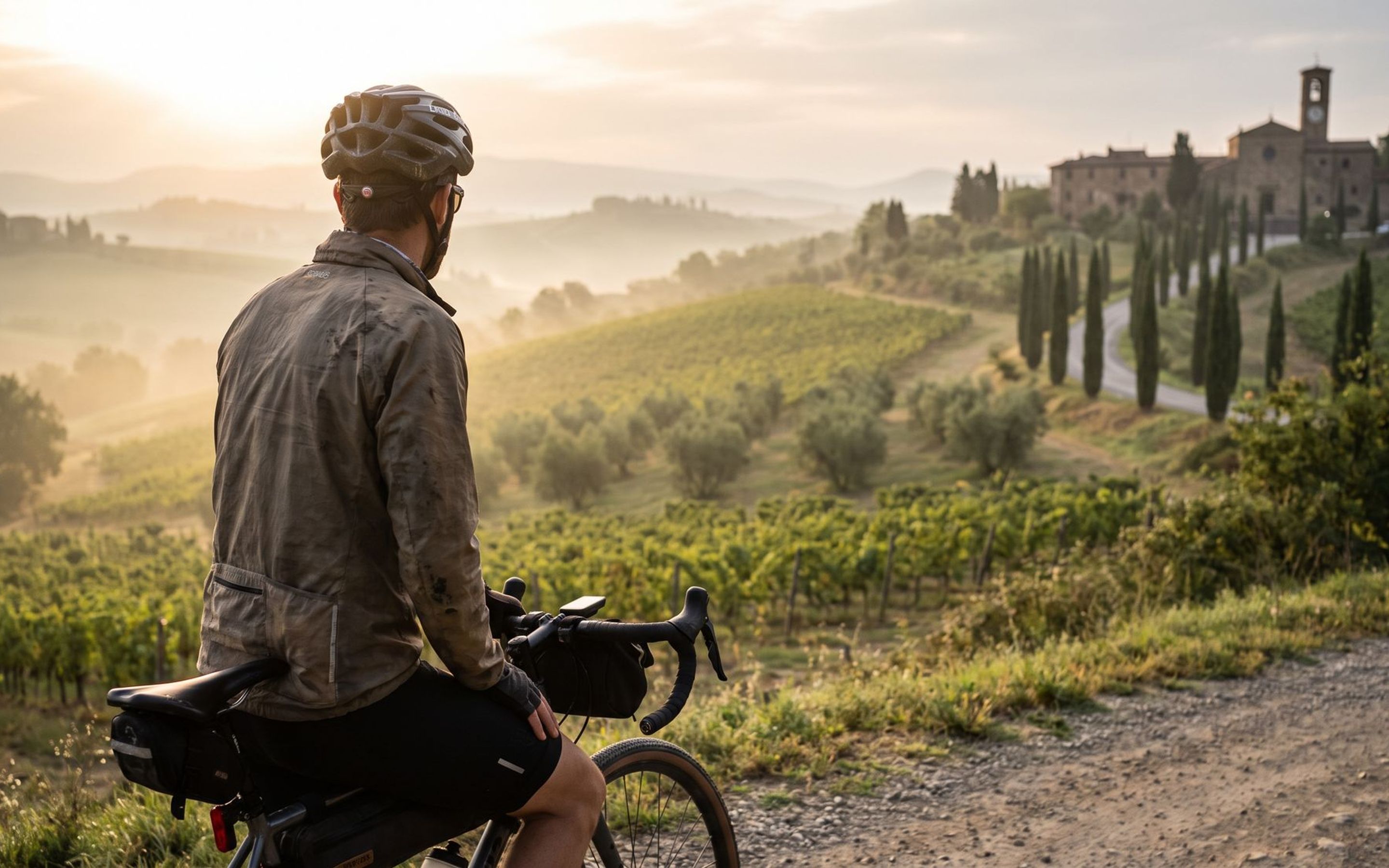
The question comes up more than any other about this part of Italy, usually from people who have already half-fallen for the idea and are now talking themselves out of it. They have seen the photographs — the cypress-lined road curving up to a hilltop town, the postcard everyone owns — and they have done the maths. All those hills. Surely that is a holiday for racing snakes, not for someone who rides to the café on a Sunday.
So here is the honest answer before the detail: yes, Tuscany is hilly, and no, that does not rule you out. Whether a cycling holiday in Tuscany suits you comes down to two choices you get to make — which part of the region you ride, and what you ride it on. Get those right and Tuscany is one of the most rewarding places in Europe to turn the pedals. Get them wrong and it can be a long week of pushing a bike up a gravel track in the heat.
Tuscany's difficulty is not the alpine kind. There are no mountain passes here, no 20-kilometre climbs with hairpins and snow poles. What Tuscany gives you instead is relentless undulation — short, steep climbs that arrive one after another, each one topped by a village that has sat on its hill since the Middle Ages for exactly the defensive reasons that now make your legs burn.
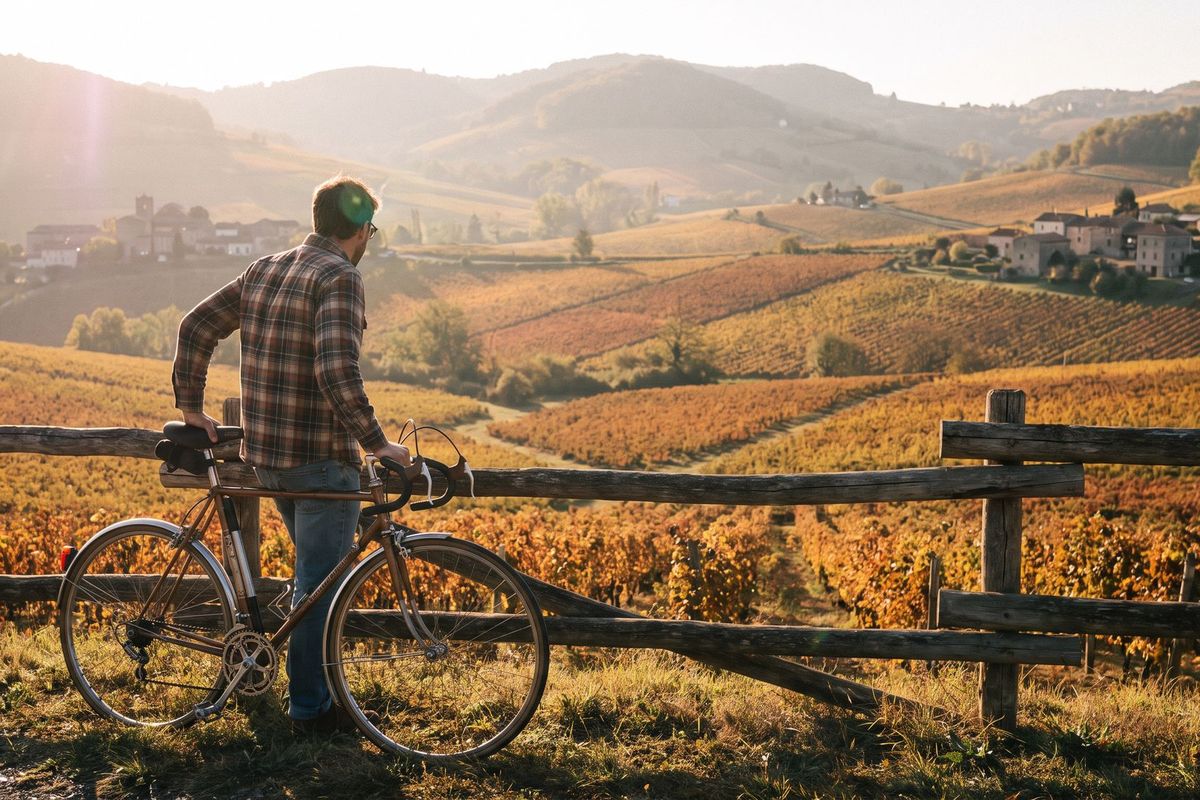
The famous country around Siena is the steepest of it. The Crete Senesi and the Val d'Orcia to the south — the landscape so prized for its beauty that UNESCO added the Val d'Orcia to its World Heritage list in 2004 as a cultural landscape — are a sequence of chalk hills with towns like Montalcino and Pienza perched on top. Reaching them means climbing. The climbs are rarely long, but they are frequent, and the day's total ascent adds up quietly while you are distracted by the view.
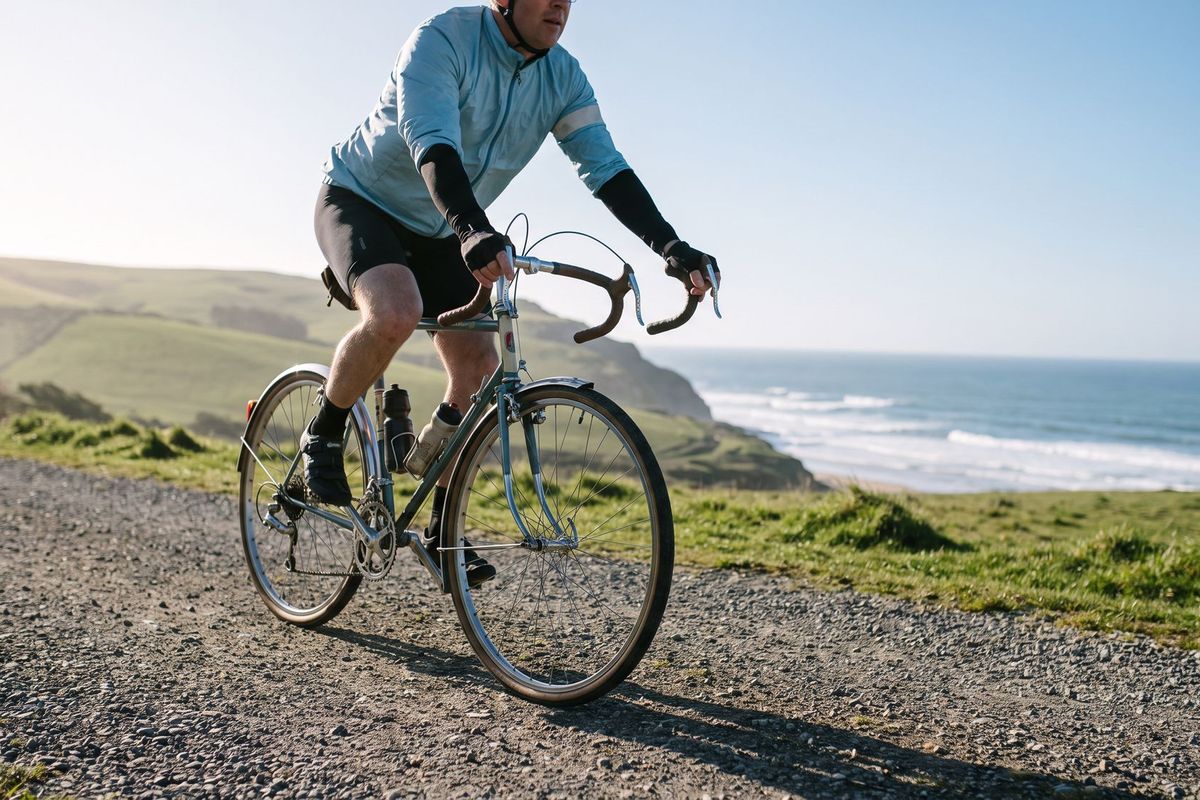
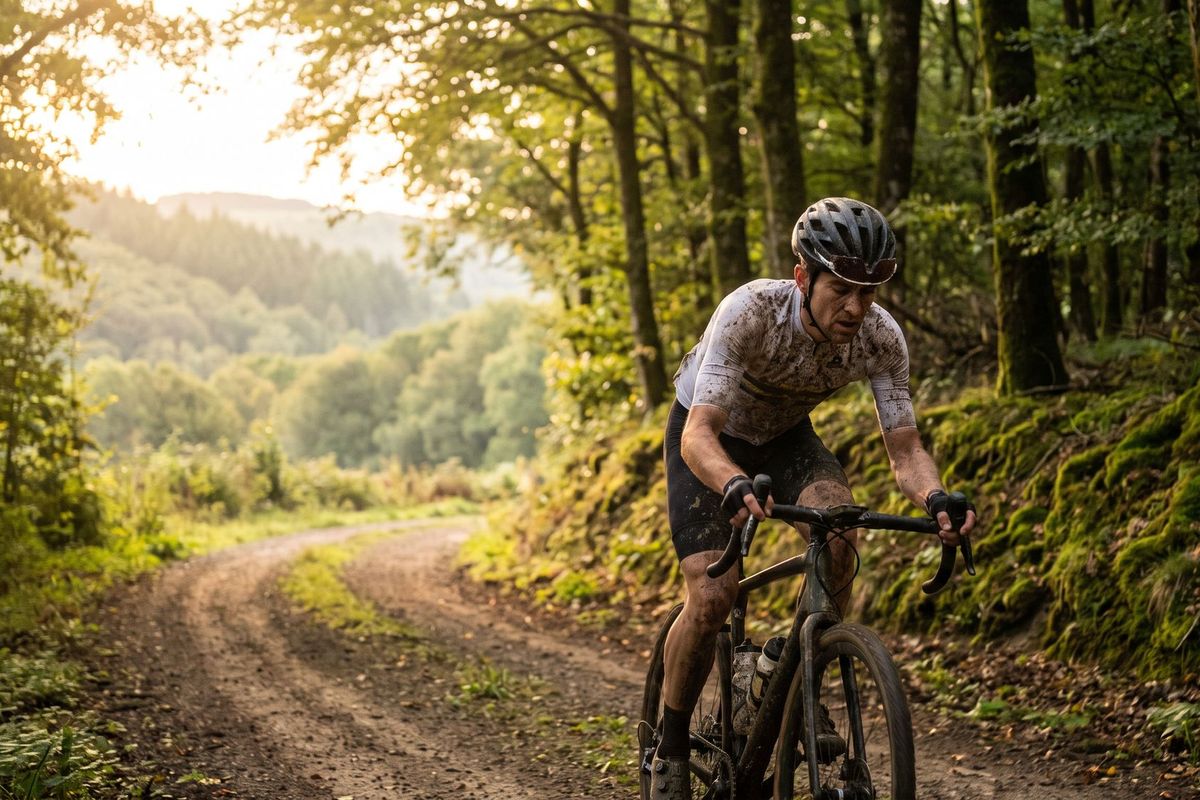
Then there is the surface. Some of Tuscany's most beautiful lanes are the strade bianche, the white gravel roads of the Strade Bianche — the same tracks that carry a professional bike race and the vintage L'Eroica ride each year. They are glorious and they are harder work than tarmac, especially uphill. Riders who have tackled the full Strade Bianche route describe climbs as steep as 12 per cent and around 3,000 metres of ascent in a single day — far more than any holiday itinerary, but a fair measure of what this terrain can throw up. Knowing which days include gravel, and how much, matters as much as knowing the altitude gain.
This is where region-choice does the heavy lifting. Tuscany is not uniformly steep, and the flatter options are genuinely flat.
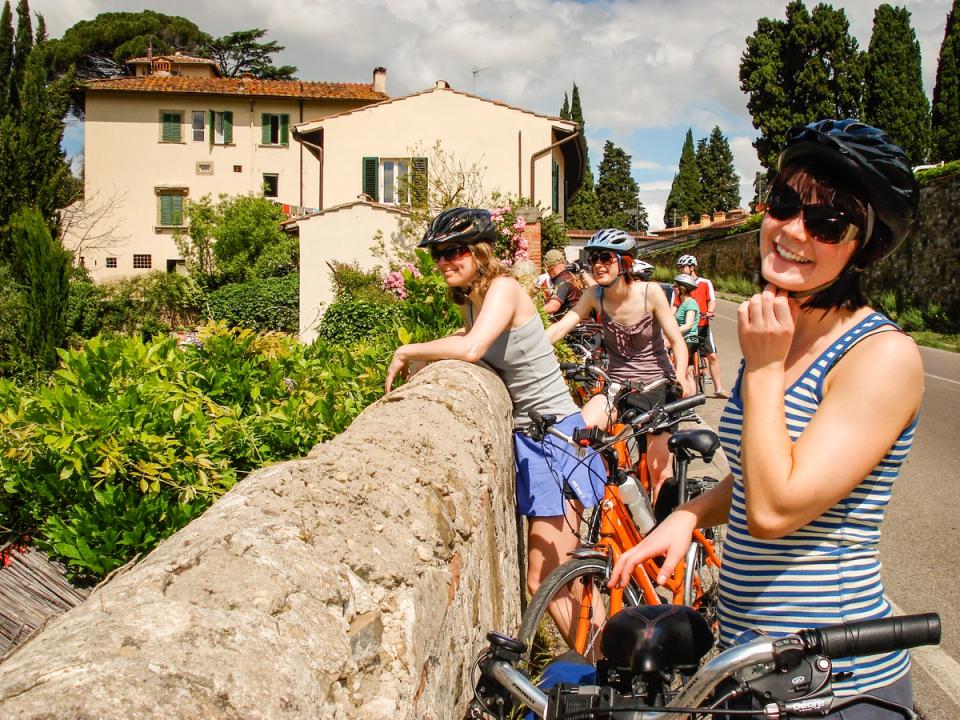
The Arno valley, running between Pisa and Florence, gives you the gentlest introduction to the region — river-level riding past Lucca and the Tuscan plain, with the hills kept firmly on the horizon. Our Pisa to Florence route follows this corridor and is a good fit for riders who want Tuscany's cities and countryside without the sternest climbs. The Valdichiana in the south-east is another broad, flat-bottomed valley that lets you cover ground easily and save your legs for the one hill-town detour you actually want to make.
Discover Tuscany by bike – cycle from Pisa to Florence through rolling vineyards, medieval villages & iconic landmarks. Ideal for solo travellers & families.
Chianti, between Florence and Siena, sits in the middle. It rolls rather than climbs — the Chiantigiana wine road is up-and-down all day, but in digestible pieces, which is why it is the classic first Tuscan ride. If the Val d'Orcia is the deep end, Chianti is the part of the pool where your feet still touch. Our guide to the Chianti wine route covers that ride in full.
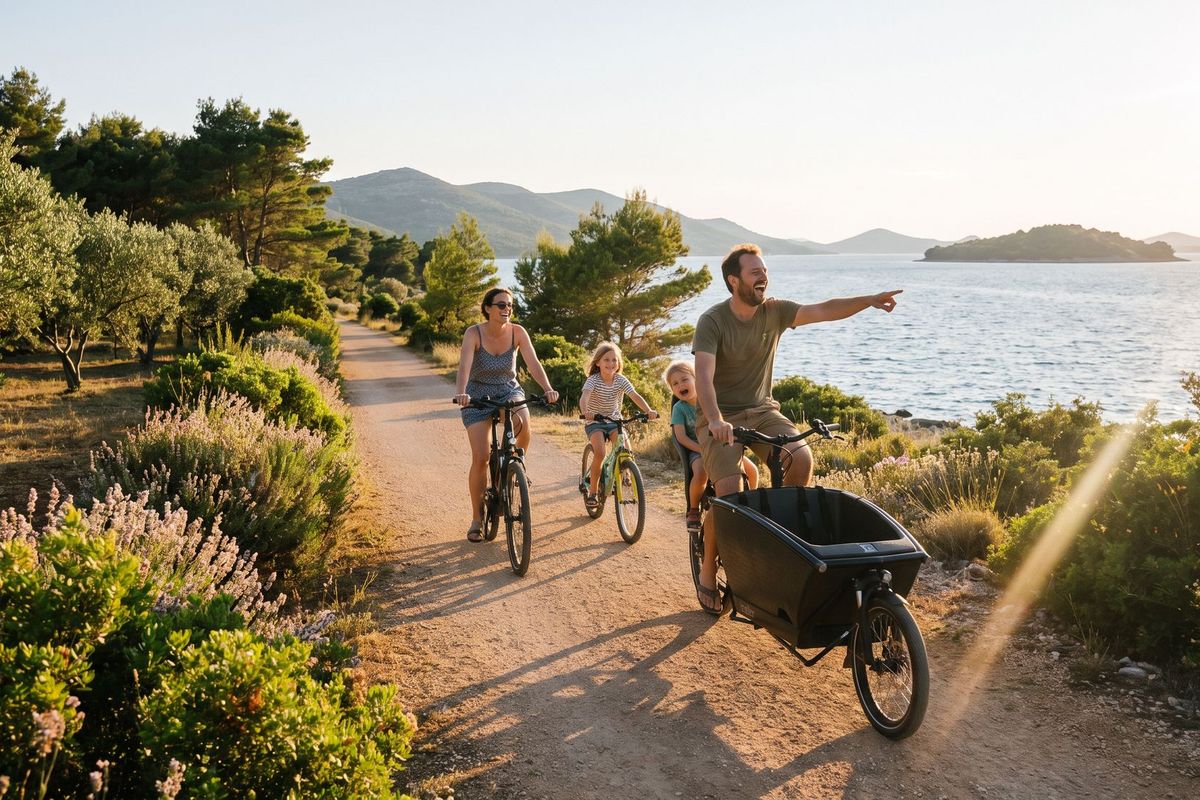
More than anything else, yes. An e-bike does not flatten Tuscany, but it flattens the fear of Tuscany, and for most people that is the real obstacle. The assistance turns those short, sharp climbs from a reason to stay home into a few minutes of pleasant effort, and it means a mixed-ability couple or group can ride together instead of one person waiting at every summit.
An e-bike also widens the map. With assistance, the Val d'Orcia and its hilltop towns come back onto the menu for riders who would otherwise have to skip them, and the gravel sectors become something to enjoy rather than endure. If the hills are the only thing standing between you and the trip you want, an e-bike holiday is the straightforward fix — and no one on the road can tell, or cares, whether your bike has a motor.
You need to be comfortable spending several hours on a bike across consecutive days, and happy to climb in short bursts. You do not need to be fast, lean, or a regular on club runs. Most people who ride Tuscany well are simply people who ride a bit at home, picked the right region for their legs, and were honest with themselves about the gravel and the gradient before they booked rather than after.
Daily distances on a well-planned Tuscan holiday tend to be modest precisely because the terrain is demanding and the point is to stop — for a long lunch, a glass of Chianti Classico, an hour wandering a walled town. A sensible Tuscan day might be 40 to 55 kilometres with a few hundred metres of climbing, not a century ride. The cycling gives the day its shape; the eating, drinking and looking give it everything else.
Heat makes every climb harder, and Tuscan summers are hot. July and August combine high temperatures with peak crowds and peak prices — a tough combination on an exposed gravel climb at midday. The spring and autumn shoulders are kinder in every way: May and June bring warm, settled days and green hills, while September and October give you the grape harvest, softer light and temperatures that make the climbing feel optional rather than punishing. For a hilly region, when you go is part of how hard it feels.
If you want pancake-flat canal paths and no climbing at all, Tuscany is not the obvious first choice, and there is no shame in starting somewhere gentler. But if you are willing to climb a little for your lunch, choose a region that matches your legs, and put a motor under the worst of the hills if you'd rather, Tuscany rewards you more generously than almost anywhere. The hard bit and the beautiful bit are, inconveniently and wonderfully, the same bit.
Every Tuscan tour on Pedal Ventures carries an honest difficulty rating and is handpicked by people who have ridden the roads, so you can match the terrain to your confidence before you commit — with your booking protected by PTS. Browse the full range of cycling holidays in Tuscany, or step back to see all of our cycling holidays in Italy if you're still weighing up regions.
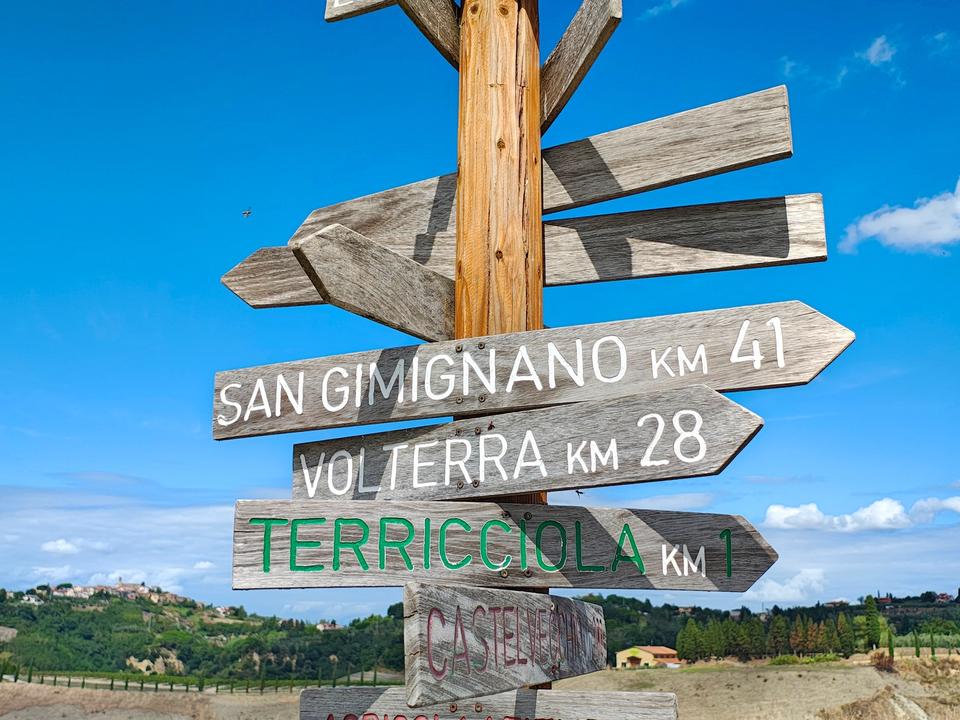
A 7-day self-guided cycling tour from Pisa to Florence via Casciana Terme, San Gimignano, Siena and the Chianti vineyards.
Is Tuscany good for beginner cyclists? It can be, if you choose the right part. The Arno valley between Pisa and Florence and the broad Valdichiana are gentle enough for newer riders, and Chianti's rolling wine roads are manageable in short days. The steep hill-town country of the Val d'Orcia is better saved for later, or ridden with an e-bike.
Do I need an e-bike to cycle in Tuscany? No, but it transforms the harder regions and lets mixed-ability groups ride together. If you ride regularly at home and pick a flatter route, a standard bike is fine. If the climbs are your main worry, an e-bike removes it.
What is the easiest cycling route in Tuscany? The riverside corridor along the Arno between Pisa, Lucca and Florence is the flattest and most forgiving, keeping the hills in view rather than underwheel while still delivering the cities and countryside.