Bike tour
Sicily & Aeolian Islands by Bike & Boat
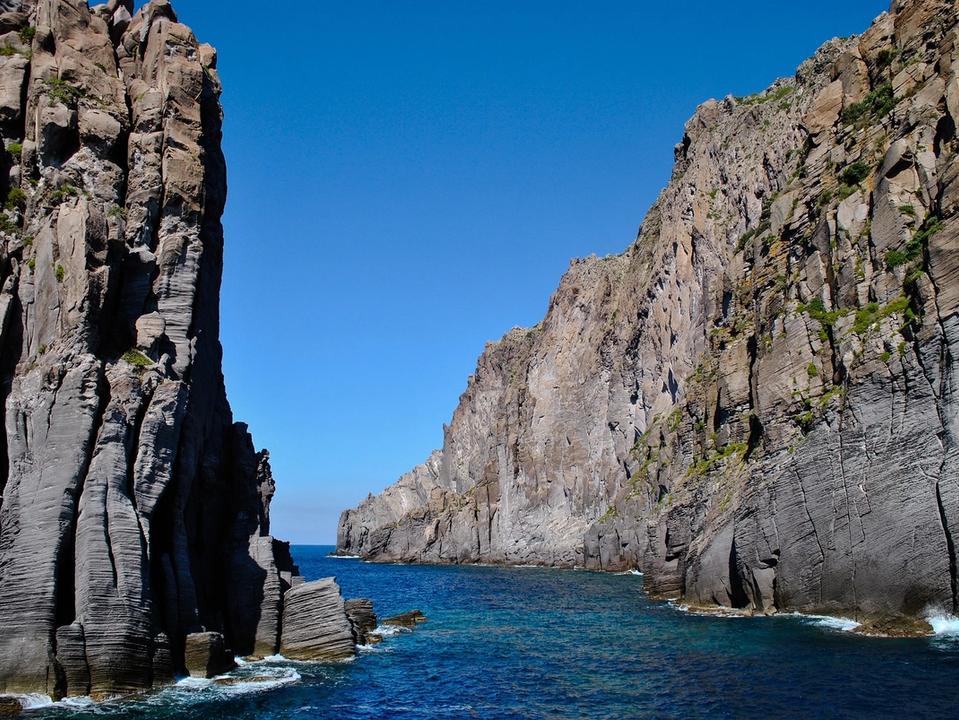
Explore Sicily’s Aeolian Islands by bike and on foot. Discover Vulcano, Stromboli, Salina and Lipari from a traditional sailing boat.

Rob
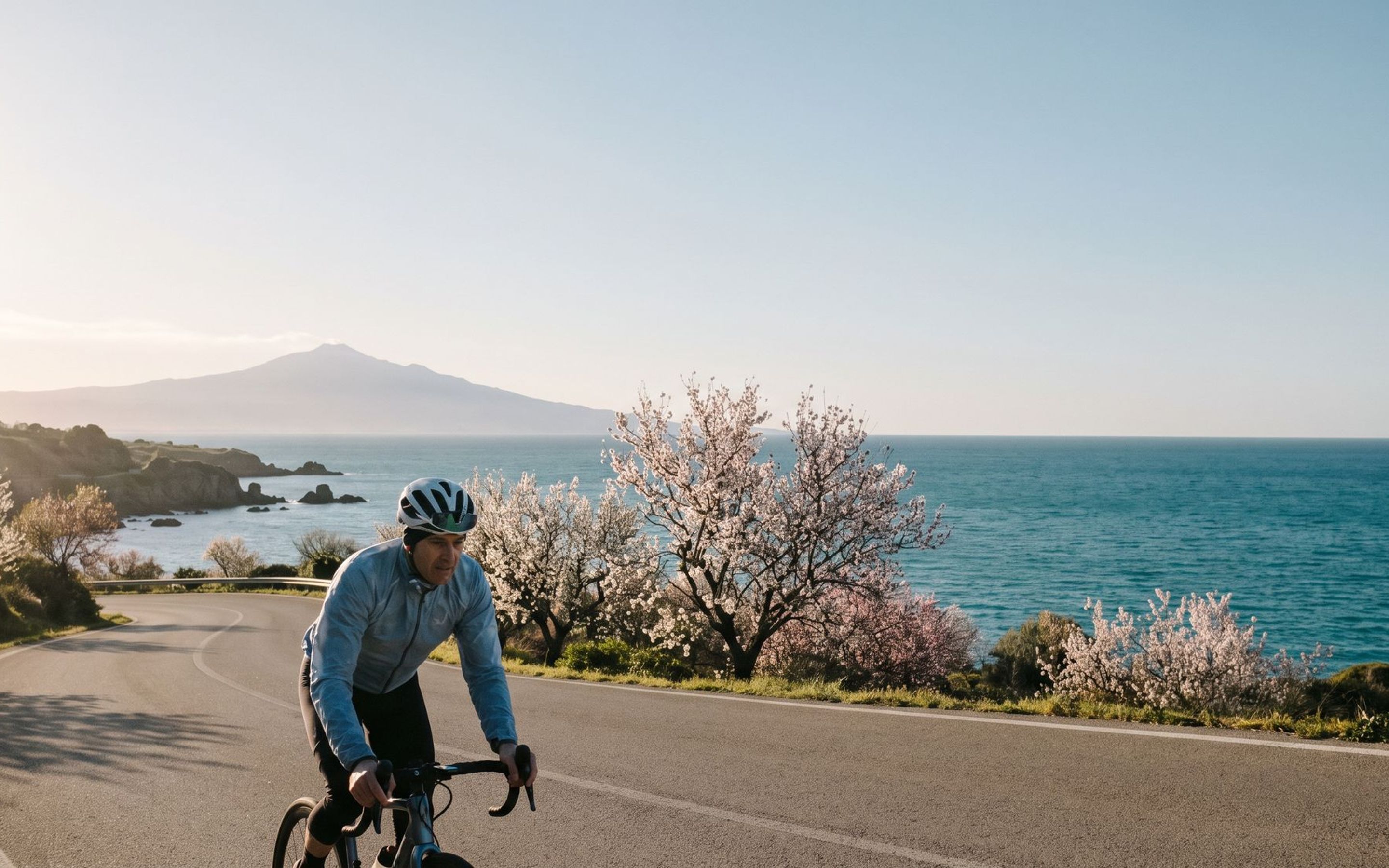
It is early February, and you are riding south of Noto in shirtsleeves, the sea a flat silver sheet on your left and almond trees coming into blossom on your right. Two hours inland, there is snow on the shoulders of Etna. Both of those things are Sicily, on the same day, and they explain almost everything you need to know about when to ride here.
The short version: the best time to cycle in Sicily is spring or autumn, when the whole island is in play and the temperatures are kind. But Sicily is the Mediterranean's largest island and one of its most varied, so the better question is not just when but where — because the coast, the interior and the volcano each keep their own calendar.
For most riders, yes. From late March through June, Sicily is at its most generous. The winter rains have greened the countryside, the wildflowers are out, and daytime temperatures sit in the comfortable high teens to mid-twenties Celsius. The island emerges from its quiet season ahead of the rest of the continent, which is why it turns up again and again on lists of early-season European cycling.
Spring is the window when you can realistically ride all of Sicily — the coastal roads near Cefalù and San Vito Lo Capo, the baroque hill towns of the south-east like Ragusa and Noto, and the climbs inland — without either heat or cold dictating your route. If you only get one shot at Sicily, make it April or May.
Autumn is spring's equal, and some would argue its better. September and October bring warm sea temperatures left over from summer, thinning crowds, the grape and olive harvests, and light that photographers travel for. The days are a little shorter, but the riding is arguably more pleasant than in high spring because the whole island has been baked warm and the water is still swimmable after a ride.
Autumn is the connoisseur's choice: the same accessible terrain as spring, with the added texture of harvest season in the vineyards and a slower, post-summer rhythm in the towns.
On the coast, yes — and this is Sicily's quiet superpower. While most of Europe has hung the bike up for the year, the southern and eastern Sicilian coasts stay mild enough for comfortable riding right through December, January and February. Temperatures are often shirtsleeve-warm in the sun, the roads are empty, and prices drop to their lowest. The almond blossom around the south in late winter is one of the first signs of the Mediterranean spring anywhere.
The caveats are real, though. Winter is Sicily's wettest season, so you trade heat for the chance of a rainy day, and the interior and the high ground around Etna are genuinely cold — snow on the volcano is normal. Keep a winter trip to the coast and you have one of the few places in Europe you can ride in short sleeves in January. For gentle, flat winter miles, the coastal south-east is the pick.
July and August are hot, and the interior is the problem rather than the coast. Inland Sicily regularly pushes into the high thirties and beyond, which turns an exposed climb at midday into something closer to an ordeal than a holiday. Add peak crowds and peak prices, and high summer is the season to approach with the most care.
It is not impossible. Early starts, coastal routes where the sea breeze helps, long midday stops in the shade with a granita, and an e-bike to shorten the effort on the hills all make summer workable. But if your dates are flexible, there is little reason to choose July over September.
Two parts of Sicily follow their own rules. Mount Etna, Europe's most active volcano and a UNESCO World Heritage Site since 2013, sits high enough to carry snow into spring; rides on and around the volcano are best from late spring to early autumn, when the upper roads are clear and the fierce summer heat of the lowlands has not reached altitude. Sicily's official tourism board maps a network of cycling routes here, from the Etna Cycle Park's named climbs to the baroque Val di Noto, and notes the volcano can be ridden almost year-round bar a few snow days. An e-bike takes the sting out of the long volcanic gradients.
The Aeolian Islands — the volcanic archipelago north of Sicily, UNESCO-listed since 2000 — are a warm-season pleasure, because they are reached and enjoyed by boat. Our Sicily's Volcanic Isles by Bike & Boat tour, island-hopping between Vulcano, Panarea, Salina, Lipari and Stromboli, is at its best from late spring through early autumn, when the sea is calm and swimmable and the island harbours are lively.
Explore Sicily’s Aeolian Islands by bike and on foot. Discover Vulcano, Stromboli, Salina and Lipari from a traditional sailing boat.
If you want the whole island open to you with the gentlest weather, ride in April–June or September–October. If you want empty roads, low prices and winter sun, take the south-east coast between December and February and leave the interior for another time. If summer is your only option, start early, stay coastal, and let the volcano and the islands carry the trip. Sicily's seasons are less a ranking than a map — pick the one that matches the ride you want.
For a wider view of how Sicily fits the European calendar, our month-by-month guide to cycling in Europe sets it alongside the mainland, or browse the full range of cycling holidays in Sicily and across Italy when you're ready to plan.