Bike tour
Piedmont Gourmet Loop: Italy’s Garden of Eden
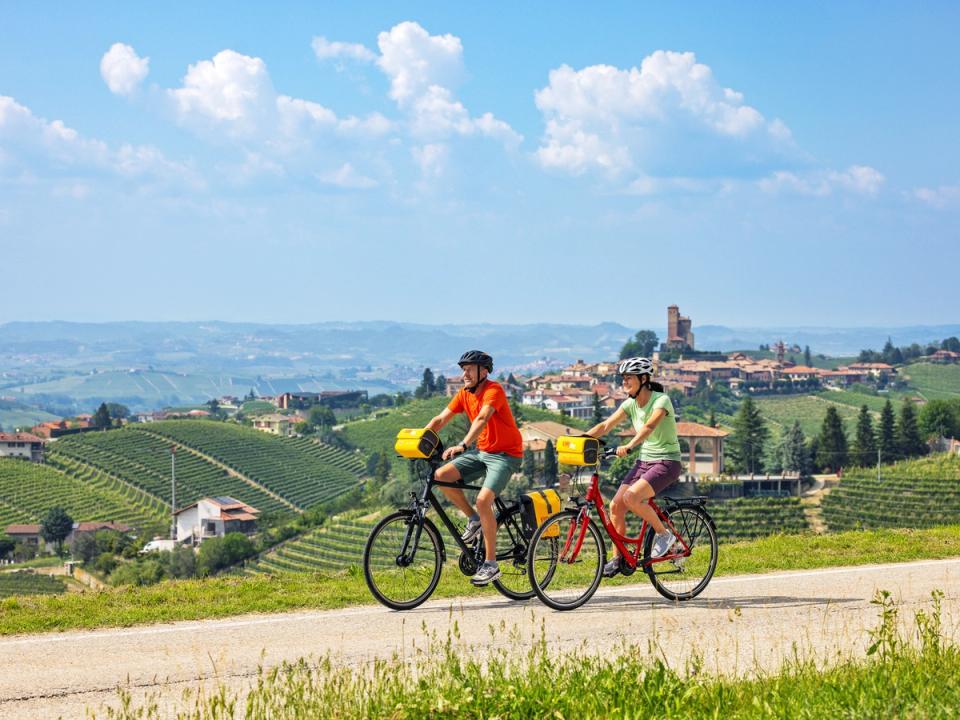
Cycle the Piedmont Gourmet Loop in Northern Italy, exploring rolling hills, charming towns, and tasting exquisite local cuisine and renowned wines on this unforgettable tour.

Rob
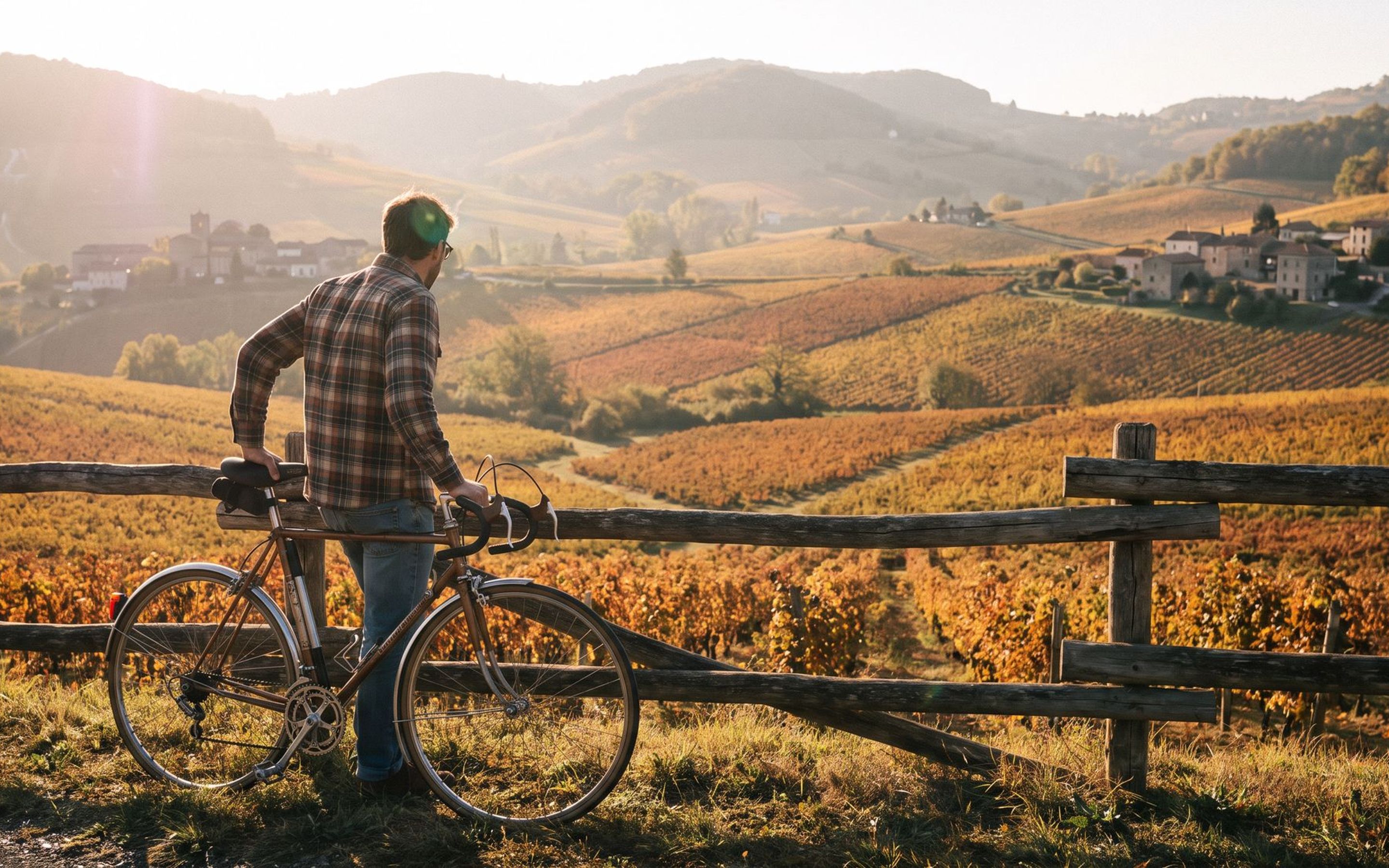
There is an argument that Piedmont is the one Italian wine region you should plan an entire cycling holiday around a single six-week window. From roughly mid-September to the end of October, the Langhe hills south of Alba do everything at once: the grape harvest fills the cellars, the first white truffles come out of the woods, the vineyards turn gold and rust, and the kitchens shift into the richest cooking of the year. Ride here in October and the wine country is not a backdrop to the cycling — it is the entire point of the trip.
That is the spirit in which to approach cycling in Piedmont. This is not a region you tick off at speed. The whole appeal is the opposite: short days in the saddle between villages whose names are on the labels of some of Italy's most serious wines, and long afternoons at the table.
Both are villages, and both are wines, in the Langhe — a run of steep, vine-covered hills in southern Piedmont, between the town of Alba and the Ligurian Apennines. The landscape is so completely shaped by winemaking that UNESCO added the Vineyard Landscape of Piedmont: Langhe-Roero and Monferrato to its World Heritage list in 2014, recognising centuries of human craft written into the hillsides.
Barolo and Barbaresco are both made from the Nebbiolo grape, grown on neighbouring slopes, and the short distances between them are what make this such good cycling territory. You can ride from the village of Barolo to the village of Barbaresco, taking in Alba and a dozen named vineyard cru in between, inside a single unhurried day.
Honest answer: hillier than you might expect for a wine holiday. The Langhe is a landscape of ridges and valleys, and the classic routes run along the tops, which means climbing up to each village and dropping down between them. The climbs are short rather than alpine, but they are frequent, and a day of ridge-hopping adds up.
This is terrain that rewards taking it steadily — which, given what is in every glass at lunch, is no hardship. Riders who would rather spend their energy on the tasting than the climbing will find the hills far more forgiving on an e-bike, and the gentler valley roads around Alba give you flatter options when you want them.
This is where Piedmont pulls ahead of almost anywhere. Barolo, often called the "king of wines," is a structured, age-worthy red; Barbaresco is its slightly more elegant neighbour. Around them sit Barbera, Dolcetto, the sparkling Moscato of Asti, and the Roero whites across the river.
The food is built to match. Autumn is white-truffle season, when the prized tartufo bianco from the hills around Alba is shaved over tajarin, the thin golden egg pasta the region is known for. Alongside it you will meet vitello tonnato (cold sliced veal under a tuna-caper sauce), agnolotti del plin (tiny pinched pasta parcels), brasato al Barolo (beef braised slowly in the local wine) and the region's famous hazelnuts, which is where Nutella's ancestor gianduja comes from. Piedmont takes its eating seriously enough to have helped start the Slow Food movement, which was founded in the nearby town of Bra.
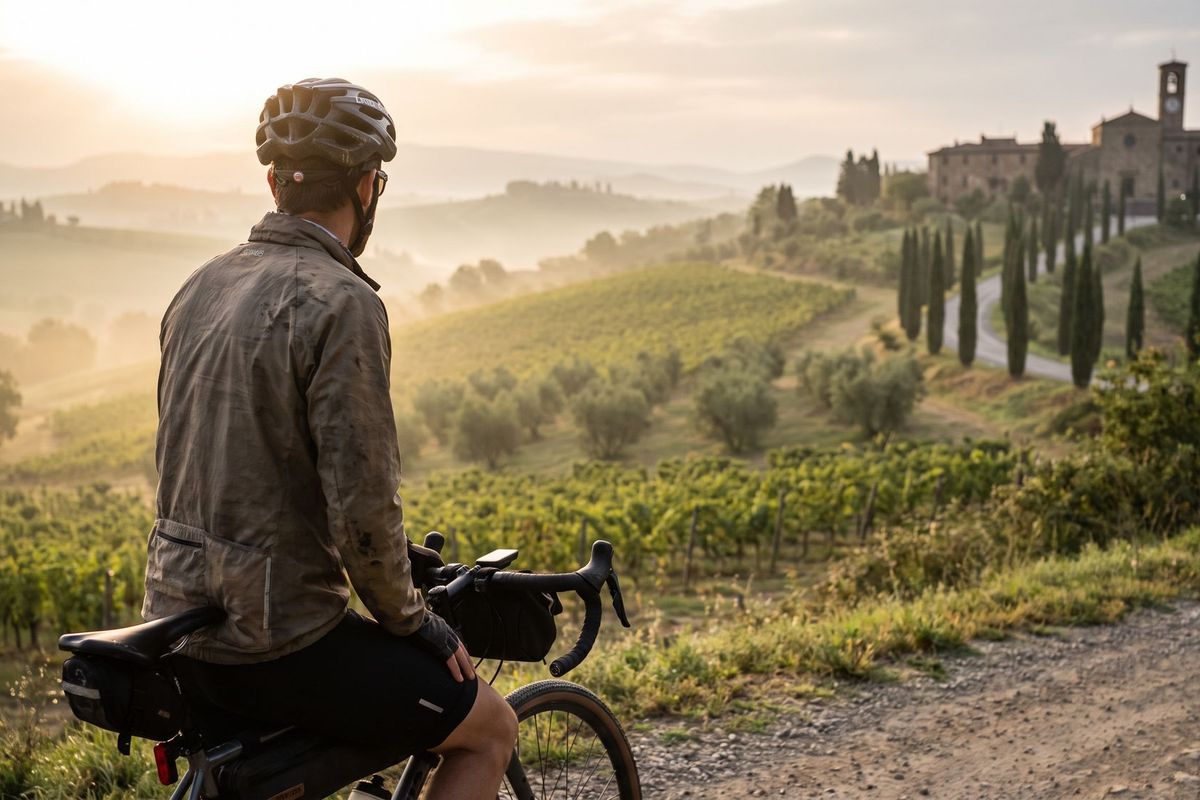
Alba is the natural base — a handsome medieval town with towers, a serious food culture and an autumn truffle fair that draws visitors from across Europe. From there, the villages of Barolo, La Morra, Barbaresco and Neive are all within an easy ride, each one a cluster of stone houses on a vineyard-topped hill with a view back over the whole golden sweep of the Langhe. Asti, to the north, adds its sparkling wine and a grand central square; the Roero, across the Tanaro, offers quieter lanes and sandy-soiled vineyards.
Our Piedmont Gourmet Loop tour threads these together into a week that leans deliberately into the food and wine rather than the mileage — the kind of trip where the day's ride is measured in tastings as much as kilometres.
Cycle the Piedmont Gourmet Loop in Northern Italy, exploring rolling hills, charming towns, and tasting exquisite local cuisine and renowned wines on this unforgettable tour.
Autumn is the headline act, for all the reasons above, and it is worth booking early because truffle season fills the best tables — and the richest experiences spread right across the Langhe, Roero and Monferrato, not just Alba itself. But spring is lovely too — the vines bright green, the hills quieter, the cooking a little lighter — and early summer rides well before the heat builds. High summer can be hot and hazy on the exposed ridges. If you can choose, choose late September or October and come hungry.
Piedmont sits in good company: for how it compares with Europe's other great wine-cycling regions, our round-up of the best cycling wine tours in Europe sets the scene, or browse our wine-tasting cycling holidays and the full range of cycling holidays in Italy to place the Langhe alongside Tuscany and the lakes. However you plan it, the Langhe is a region that asks you to slow down — and then rewards you handsomely for doing so.