Bike tour
Eastern Algarve Mini Adventure
Cycle Portugal's Eastern Algarve: 4-day self-guided tour through Tavira, Olhão, and Ria Formosa, featuring coastal views and cultural stops.

Rob
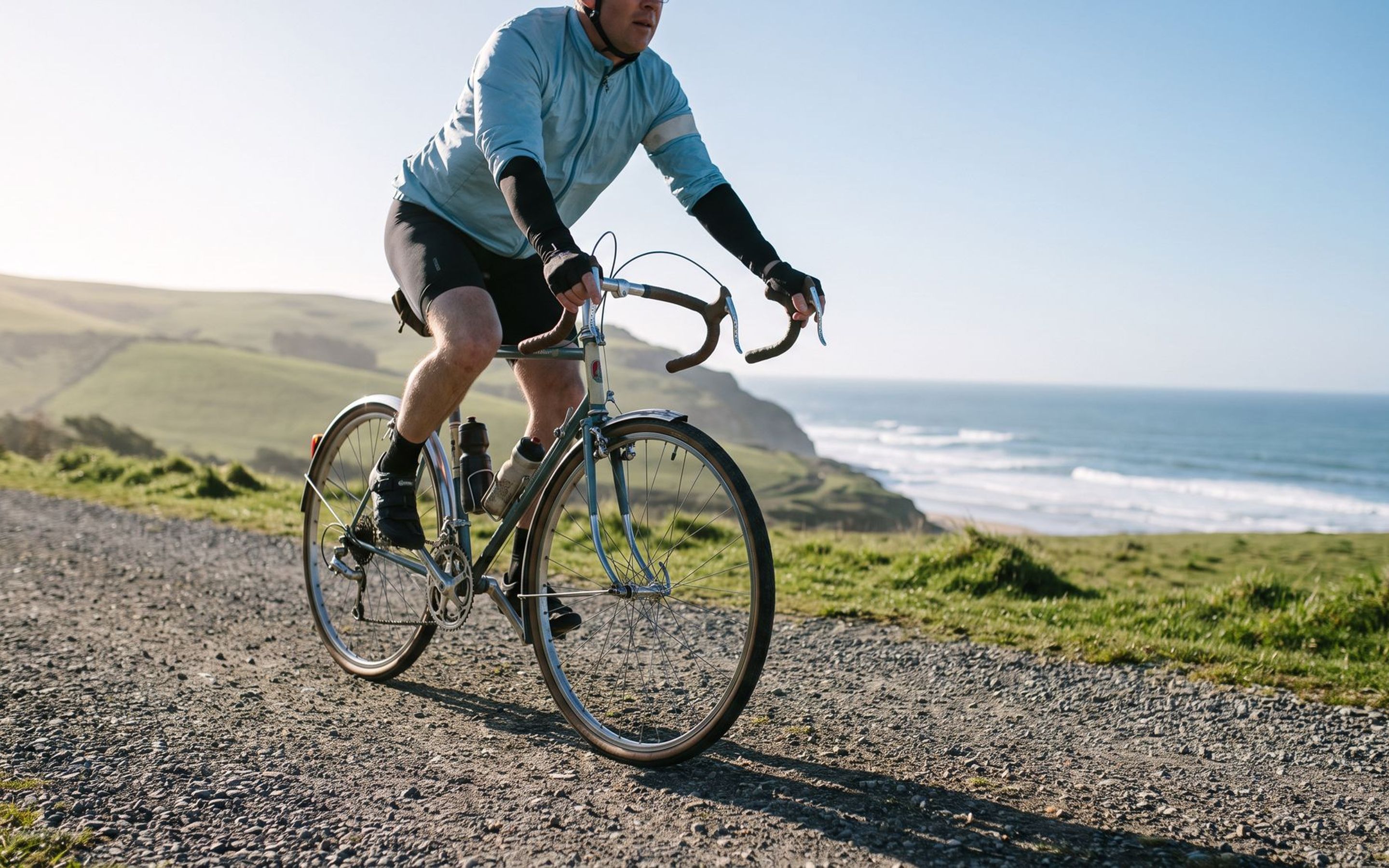
Yes — comfortably, and more happily than almost anywhere else in Europe between December and February. While most of the continent has packed the bike away, the southern coast of Portugal keeps turning out mild, bright days made for riding. If you want to cycle in winter without flying long-haul, the Algarve is close to the top of the shortlist.
Here is what a winter ride here is actually like, and what to watch for.
Mild, not tropical. Winter daytime temperatures on the coast typically sit in the mid-teens Celsius and can climb higher in the sun, which is plenty for cycling in light layers — often in short sleeves by midday. Mornings and evenings are cool, so you pack arm warmers and a light jacket rather than winter kit. The sea is too cold for most people to swim, but the riding weather is the point, and it is good.
The main trade-off is rain. Winter is the Algarve's wettest season, so you can expect the occasional grey or showery day among the sunshine. Over a week, most riders get far more dry days than wet ones.
The Algarve in winter is quieter, cheaper and calmer than in its summer peak. The crowds that fill the beaches in July are gone, the roads are close to empty, and accommodation prices fall well below high-season rates. For a certain kind of rider, that combination — sunshine, space and value — makes winter the best time to come, not a compromise.
The terrain helps. Much of the coastal Algarve is flat to gently rolling, with easy, well-surfaced routes that suit relaxed riding — which is partly why it is such a popular choice for beginner cycling holidays. You can cover ground without battling hills or heat.
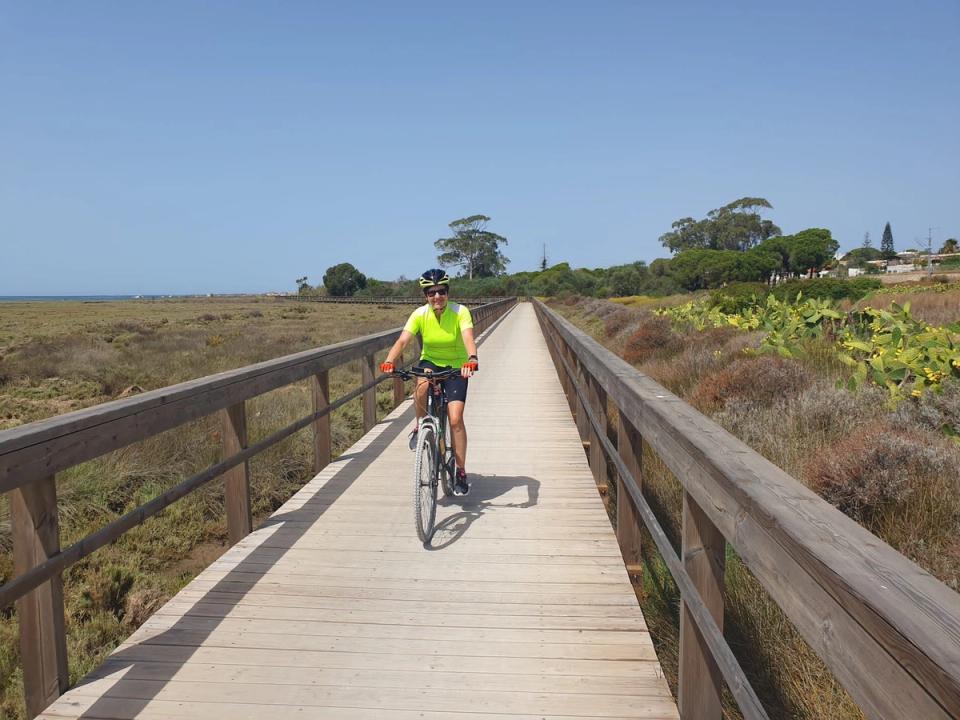
Stick to the coast and the gentler inland lanes in winter, and save the high ground of the Serra for the warmer shoulder seasons. The region's main cycling artery, the Ecovia do Litoral, runs some 214 kilometres along the coast from Cape St Vincent to the Spanish border, while the hillier 300-kilometre Via Algarviana heads inland — in winter, the flat coastal Ecovia is the one to follow. The eastern Algarve, around Tavira and the Ria Formosa lagoon, is especially good for easy winter miles — flat, scenic and sheltered. Our Eastern Algarve mini-adventure is built around exactly this kind of relaxed coastal riding, and works well as a short winter escape.
Cycle Portugal's Eastern Algarve: 4-day self-guided tour through Tavira, Olhão, and Ria Formosa, featuring coastal views and cultural stops.
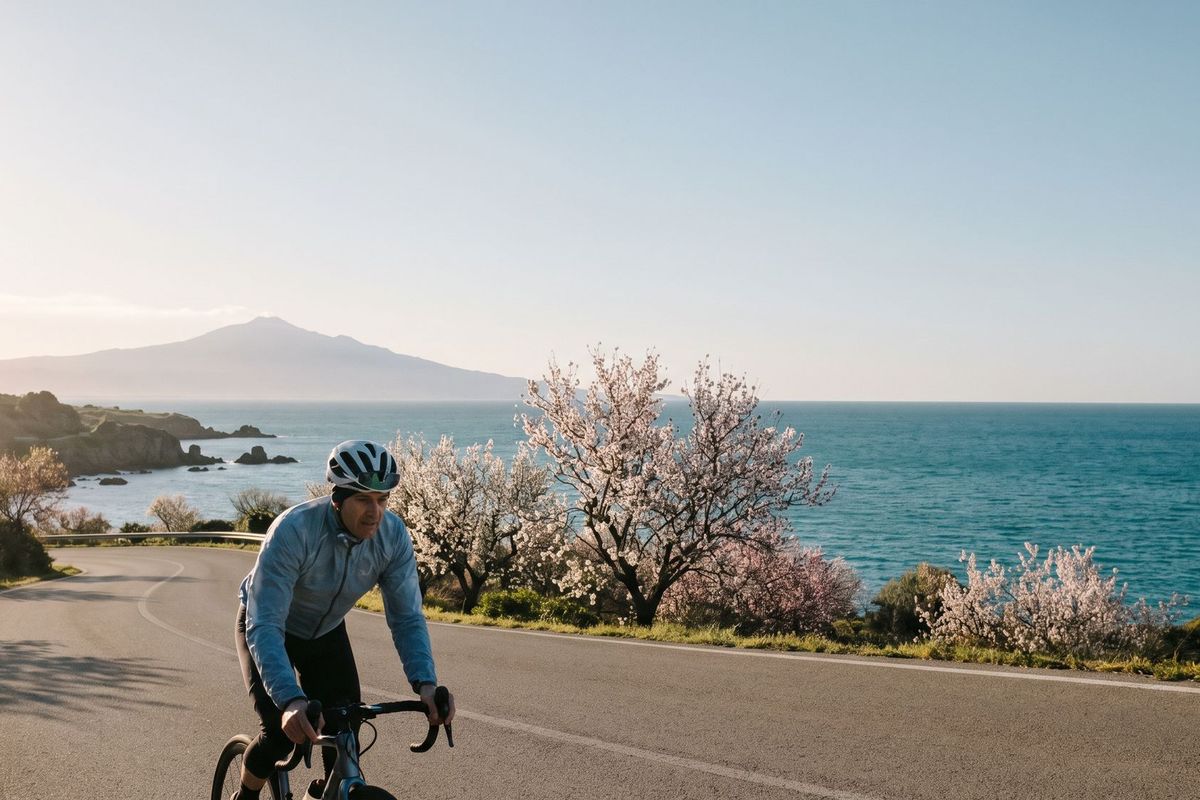
Any of December, January and February can deliver fine riding; late winter edges ahead as the days lengthen and the first almond blossom appears across the south. February into early March is a lovely window — still quiet, still cheap, and tipping towards spring.
The Algarve is not the only part of Portugal that rides well out of season. For the wider picture, our guide to why Portugal is a great place to cycle all year round covers the rest of the country, or browse cycling holidays in the Algarve to find dates that suit. Every tour is handpicked and PTS-protected, so a winter-sun ride can be booked with the same confidence as a summer one.
Is it too cold to cycle the Algarve in December? No. Coastal daytime temperatures usually sit in the mid-teens Celsius and feel warmer in the sun — comfortable for riding in light layers. Pack for cool mornings and the odd shower rather than for winter proper.
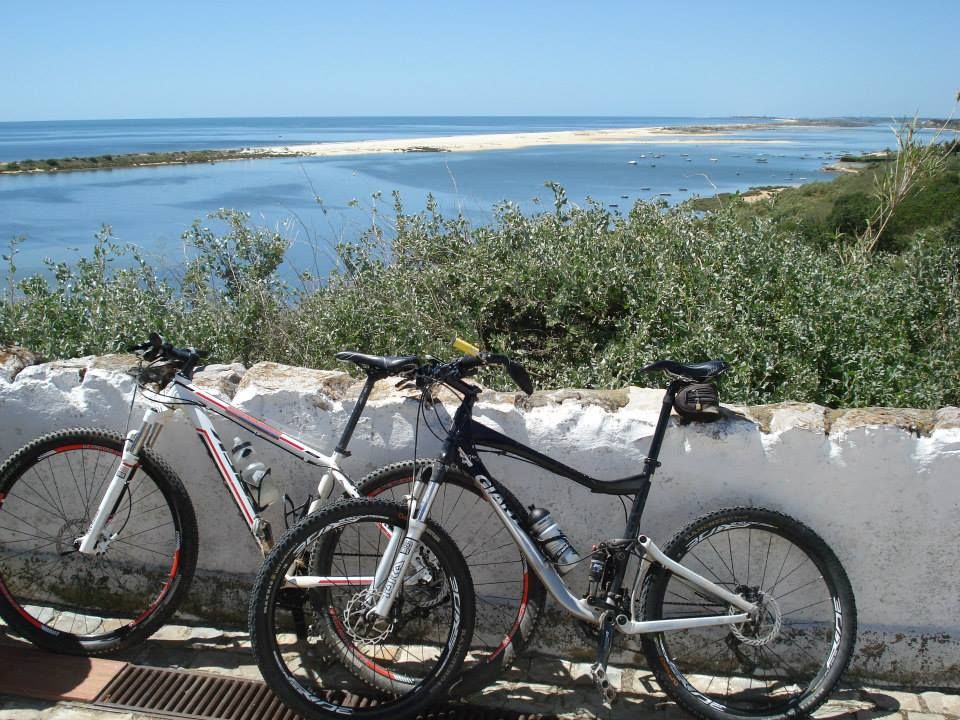
Explore the Algarve by bike: 7-day journey from Vila Real de Santo António to Sagres, passing through Tavira, Faro, and the Ria Formosa Natural Park.
Does it rain a lot in the Algarve in winter? Winter is the wettest season, so expect some showery days, but the Algarve stays one of the sunniest corners of Europe even then. Most weeks deliver far more dry days than wet ones.
Where is best to cycle in the Algarve in winter? The flatter coast, especially the eastern Algarve around Tavira and the Ria Formosa, gives the easiest and most sheltered winter riding. Leave the hilly Serra interior for spring and autumn.