Bike tour
Mallorca Highlights
Discover Mallorca’s top cycling trails, combining coastal beauty, mountain landscapes, and welcoming hotels for a relaxing yet adventurous cycling holiday.

Rob
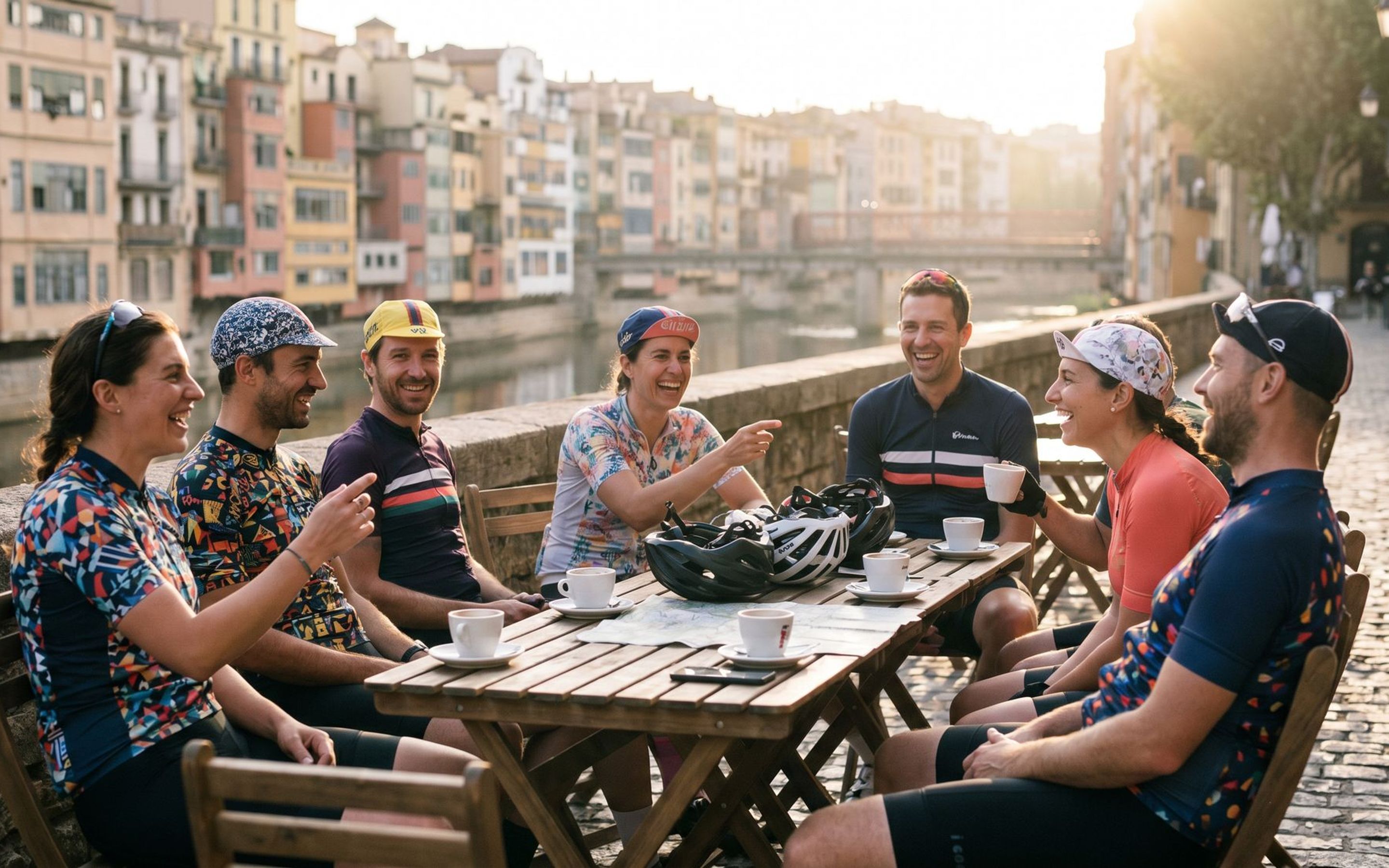
You notice the cyclists before you notice the cathedral. On any given morning in Girona's old town, riders in club kit file past the pastel-coloured houses along the Onyar river, carbon frames leaning against stone walls outside cafes that know exactly how to make a cortado. By ten o'clock the pros have already been out and back; the recreational riders are just setting off, heading north into the foothills or east towards the coast. It is a city that has built its modern identity around two wheels.
If you are considering girona cycling holidays, you are choosing a destination that genuinely works for every kind of cyclist — not just the Strava-obsessed. Girona's reputation was built by the professional peloton, but its real strength is variety: mountain passes that challenge the fittest riders, flat river paths suited to leisurely touring, a coastline that mixes quiet coves with Roman ruins, and a food culture that rivals anywhere in Spain. This guide covers all of it — the famous climbs and the gentler side that most cycling content overlooks.
The short answer is infrastructure, climate, and terrain — all three, in the same compact area.
Girona sits roughly 100 km north-east of Barcelona, tucked between the Pyrenean foothills and the Costa Brava. The city itself is small enough to walk across in twenty minutes, but the riding in every direction is enormous. Head north and you are climbing towards the Pyrenees within an hour. Head east and you reach the Mediterranean in thirty minutes. Head west into the volcanic zone of La Garrotxa and you are on quiet roads through beech forests with almost no traffic.
The climate helps enormously. Girona's cycling season runs comfortably from late February through to November, with spring and autumn offering the best conditions — warm but not oppressive, with long daylight hours and dry roads. Summers can push above 35 degrees, which is why many riders prefer the shoulder months.
But the real reason cyclists keep returning is the road quality. Catalonia maintains its secondary roads to an unusually high standard, and the density of quiet, well-surfaced lanes around Girona is remarkable. You can ride for four hours without touching a main road.
Girona's climbing is what first put it on the map. Several ascents have become bucket-list rides for road cyclists visiting from across Europe.
Els Angels is the local warm-up, a 12 km climb from the edge of the city to the Santuari dels Angels at 485 metres. The gradients are moderate — averaging around 4-5% — and the views from the top across the Girona plain are the reward. It is the ride every visiting cyclist does on their first morning, and the one locals use as their daily training loop.
Rocacorba is the serious test. At 12.8 km with an average gradient of 6.4%, it is the climb professionals use to benchmark their form. The final 3 km kick up sharply, and the summit at the telecommunications tower sits at 968 metres. If you ride one climb near Girona that you want to measure yourself against the pros, this is it.
Mare de Deu del Mont is longer and more remote — roughly 20 km of climbing through dense forest to a monastery at 1,115 metres. The gradient is gentler than Rocacorba but the sustained effort is considerable, and the isolation at the top gives it a quality quite different from the busier ascents.
The Cols of the pre-Pyrenees — Coll de Bracons, Coll d'Ares, Coll de Condreu — are accessible as day rides from Girona for strong cyclists, or as part of multi-day routes heading deeper into the Pyrenees. These are proper mountain passes, with longer approaches, steeper pitches, and far fewer cyclists than the climbs closer to the city.
For riders who want to test themselves on these ascents with the support of a guided or self-guided itinerary, Pedal Ventures' Girona cycling holidays include routes that tackle the most rewarding climbs without requiring you to navigate alone.
This is where Girona genuinely separates itself from other European cycling destinations — and where most competitor guides fall short.
The area around Girona is rich with flat and gently rolling routes that are ideal for recreational riders, couples of mixed ability, or anyone who simply prefers to enjoy the landscape at a comfortable pace.
The Vies Verdes (Greenways) are Girona's best-kept cycling asset. These are former railway lines converted into traffic-free cycling paths, smooth and flat, running through the Catalan countryside. The two main routes are:
Together, these two greenways form a continuous 94 km route from the mountains to the sea — entirely car-free, with a gentle downhill gradient for most of its length. It is one of the finest greenway rides in Europe and perfectly suited to e-bike riders, families, or anyone who wants a relaxed day on two wheels.
The Ter river valley offers quiet road cycling along the floodplain west of Girona towards Banyoles and beyond. The terrain is pan-flat, the roads are lightly trafficked, and the riding passes through farmland, medieval villages, and alongside Lake Banyoles — the largest natural lake in Catalonia and the venue for the 1992 Olympic rowing events.
The Emporda plains to the north-east of Girona are another overlooked option — gently rolling agricultural land scattered with Romanesque churches, small towns, and vineyards. The riding here feels distinctly rural and unhurried, a far cry from the intensity of the mountain passes.
One of the advantages of basing a cycling holiday in the Girona region is the proximity to the Costa Brava — and specifically, the quieter stretches north of Lloret de Mar that most tourists never reach.
The coastline between Tossa de Mar and Cadaques offers some of the most dramatic coastal cycling in the western Mediterranean. The roads rise and fall sharply as they follow the cliffs, threading through pine forests with sudden views of turquoise coves below. It is not flat — the constant short climbs accumulate — but the distances are manageable and the scenery is constantly rewarding.
A popular route runs from Palafrugell through Begur to L'Estartit, roughly 40 km of coastal riding that passes some of the finest beaches on the Costa Brava. Stop at Calella de Palafrugell for lunch, and you will understand why the Catalan coast has a different character from the resort-heavy Costas further south.
For riders who want to combine coastal and inland riding, multi-day girona bike tours can be structured to include a day or two on the coast alongside the classic inland routes — giving you the best of both landscapes within a single trip.
Girona's cycling season is long, but the ideal windows depend on what you want from the trip.
For UK cyclists planning a short bike break, the shoulder-season months offer the best combination of weather, quieter roads, and lower accommodation prices.
Girona province is home to some of the finest food in Spain — and that is a serious claim in a country that takes eating very seriously indeed.
The city of Girona itself is a destination for food lovers regardless of cycling. The Mercat del Lleo is a daily covered market selling local produce, and the old town's narrow streets are lined with restaurants serving modern Catalan cuisine alongside traditional dishes. Girona also sits in the shadow of El Celler de Can Roca, regularly ranked among the top restaurants in the world — worth knowing about even if a three-Michelin-star dinner is not in the cycling holiday budget.
But the everyday food culture is what makes a cycling holiday here special. Catalan cooking is based on simple, high-quality ingredients: grilled meats, fresh seafood from the Costa Brava, rice dishes, and the region's distinctive sauces — romesco, allioli, sofregit. Post-ride lunches at roadside restaurants are generous, affordable, and frequently excellent.
The Emporda wine region, which you ride through on many Girona cycling routes, produces increasingly respected wines — particularly Garnatxa-based reds and crisp whites from local grape varieties. Several wineries along the cycling routes welcome visitors, making a mid-ride wine tasting a genuine option for riders who are not in a hurry.
For Foodie Cyclists — those who choose a destination as much for the table as the terrain — Girona delivers on both fronts without compromise.
Both Mallorca and Girona are established cycling destinations in Spain, and both deserve their reputations. But they suit different riders.
Discover Mallorca’s top cycling trails, combining coastal beauty, mountain landscapes, and welcoming hotels for a relaxing yet adventurous cycling holiday.
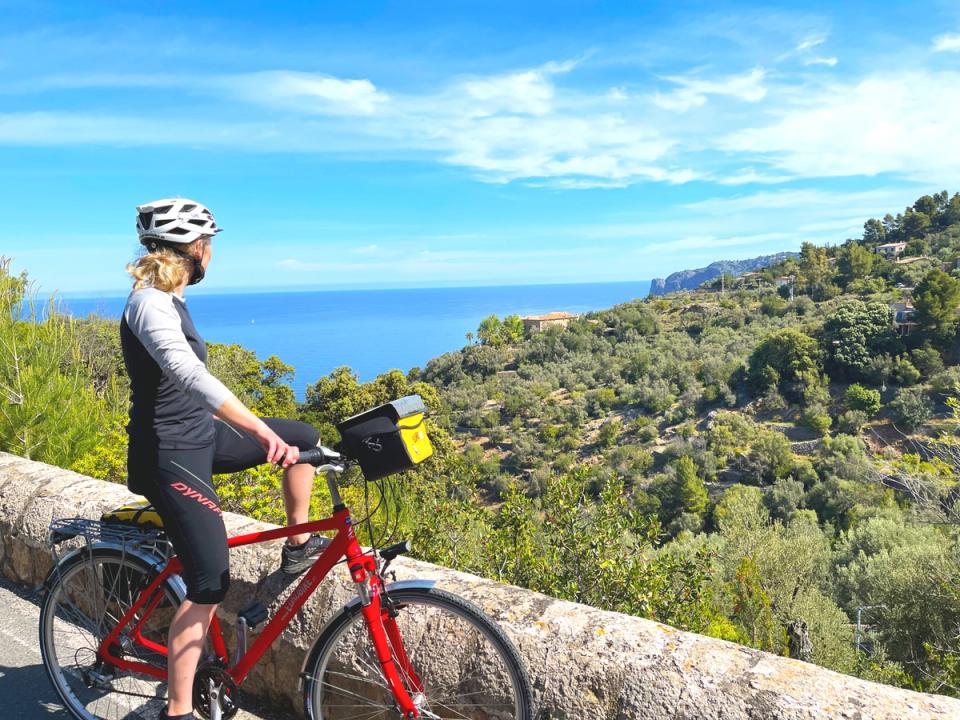
Mallorca is an island with a defined set of routes. The cycling is superb — Sa Calobra and the Serra de Tramuntana are genuinely iconic — but the road network is finite, and in peak season (February to April) the popular routes can feel busy. Mallorca is also primarily a road cycling destination; options for leisure riders and greenway cycling are more limited.
Girona offers more variety. The network of roads radiating from the city is essentially limitless — you could spend two weeks here and ride a different route every day. The mix of terrain types — mountain, valley, coast, greenway — means it suits a wider range of cyclists, from serious climbers to recreational riders on e-bikes. It is also on the mainland, which makes it easier to combine with wider Catalan or Spanish cycling holidays.
If you are a dedicated road cyclist who wants a focused week of climbing, either destination will serve you well. If you are travelling as a couple with different fitness levels, or if you want to mix cycling with gastronomy and cultural exploration, Girona has the edge.
For those curious about destinations beyond the established favourites, our guide to Europe's new cycling hotspots explores the emerging alternatives.
Getting there: Girona-Costa Brava airport receives direct flights from several UK airports, with Ryanair operating the majority of routes. Flight time is around two hours. Barcelona El Prat airport is roughly 90 minutes by train or transfer, with a wider choice of airlines.
Bike logistics: Many guided and self-guided cycling holidays in Girona include bike hire as part of the package — road bikes, e-bikes, or gravel bikes depending on the tour. If you prefer to bring your own, Girona airport is well set up for bike boxes, and most cycling-focused accommodation in the area offers secure bike storage and basic workshop facilities.
Accommodation: Girona's old town has a strong selection of boutique hotels and guesthouses, many of which actively cater to cyclists with early breakfasts, packed lunches, and laundry services. Outside the city, rural hotels (masias) in the Emporda countryside offer a quieter base with easy access to the riding.
Booking with confidence: All cycling holidays booked through Pedal Ventures are PTS-protected, meaning your money is financially protected if the operator or Pedal Ventures were to cease trading. At an average booking value of around £3,000, that peace of mind matters — and it is something few other cycling holiday platforms offer.
Browse the full range of cycling holidays in Girona on Pedal Ventures — every tour is handpicked, with honest difficulty ratings and detailed route information to help you find the right trip.
Yes. While Girona is famous for its climbs, the Vies Verdes greenways and the flat Ter river valley offer traffic-free and gently rolling routes that are ideal for beginners and leisure cyclists. Many guided tours in the region are designed for recreational riders, and e-bikes are widely available to take the pressure off hillier days.
A long weekend (three to four days) gives you enough time for a meaningful taste of the riding and the food. A full week allows you to cover the major climbs, explore the coast, ride a greenway, and spend time in Girona's old town without rushing. Multi-day tours typically run five to eight days.
Girona's winters are mild by northern European standards, with daytime temperatures often reaching 10-15 degrees at lower elevations. Cycling is possible year-round in the valleys and on the coast, although the mountain passes above 1,000 metres may be cold, wet, or icy between December and February. Spring and autumn are the most reliable seasons.
That depends entirely on which routes you choose. The famous climbs — Rocacorba, Mare de Deu del Mont — demand a solid level of fitness. But the greenways are flat and manageable for anyone who can ride a bike, and many tour operators in the region offer e-bikes that make hillier routes accessible to a much wider range of fitness levels.
Girona city itself is the most popular base — it puts you within easy reach of every riding direction and offers the widest choice of restaurants, cafes, and evening entertainment. For quieter surroundings, the towns of Banyoles (north-west) and Palafrugell (coast) make excellent alternatives, each with direct access to different styles of riding.
They suit different priorities. Mallorca is superb for focused road cycling, particularly early-season training, with iconic climbs and reliable sunshine. Girona offers greater variety — mountains, coast, greenways, and gastronomy — and works well for mixed-ability groups, couples, and riders who want cycling to be part of a broader holiday rather than the sole focus. Both are excellent choices.