Bike tour
Bruges, Ypres and Flanders Fields
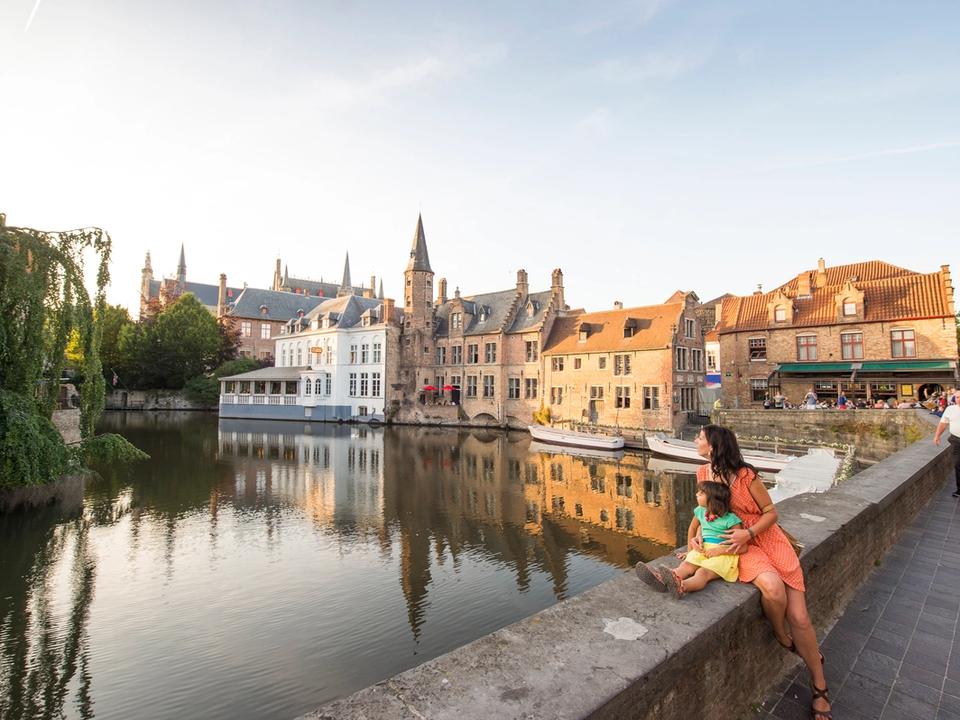
Cycle through West Flanders to explore Bruges, Ieper, and the coast, with WWI history, canals, castles, and Belgian culture.

Rob

Proper bike fit separates enjoyable cycling holidays from miserable experiences dominated by pain, numbness, and premature fatigue. A bike fitting perfectly for 30-minute commutes might create serious discomfort over 50-kilometre daily rides spanning a week. Small positioning errors compound dramatically across hours in the saddle, millimetres of saddle height difference or handlebar reach misalignment transform into significant pain affecting knees, neck, hands, and lower back.
Understanding bike fit principles, recognising common problems, and making proper adjustments ensures cycling holidays deliver pleasure rather than punishment. This comprehensive guide explains essential bike fit concepts, addresses common multi-day touring discomfort issues, and provides solutions ensuring comfortable cycling across European landscapes.
Discomfort tolerable during single-day rides becomes unbearable across consecutive cycling days. Slight knee strain on day one escalates to genuine pain by day three. Minor hand numbness transforms into significant nerve issues. Lower back tightness progresses to acute discomfort preventing enjoyable riding.
Multi-day tours demand bike positions sustainable across extended periods—not just tolerable but genuinely comfortable allowing focus on scenery, culture, and enjoyment rather than managing pain.
Multi-day touring creates unique demands requiring different bike fit priorities:
Comfort over speed: Racing positions prioritise aerodynamics and power; touring positions emphasise comfort and sustainability. Slightly more upright positions reduce neck and shoulder strain across long days.
Variable terrain: Tours encounter diverse conditions—long flats, extended climbs, technical descents. Bike fit must accommodate position changes throughout varied riding rather than optimising single conditions.
Loaded bikes: Panniers or luggage affect handling and weight distribution. Positions comfortable on unloaded bikes might create issues when carrying touring loads.
Consecutive days: Recovery time between rides shrinks from days to overnight hours. Positions must minimise cumulative strain allowing fresh starts each morning.
Correct saddle height proves absolutely critical—too low causes knee pain and reduces power; too high creates hip rocking, hamstring strain, and lower back issues.
Proper height indicators:
Adjustment method: Make small changes (3-5mm increments), test ride 15-20 minutes, assess comfort. Never make large adjustments simultaneously—incremental changes allow identifying optimal height precisely.
Saddle position relative to pedals affects knee stress significantly. Incorrect fore-aft positioning creates knee pain despite perfect saddle height.
Cycle through West Flanders to explore Bruges, Ieper, and the coast, with WWI history, canals, castles, and Belgian culture.
Proper positioning: When pedals sit horizontal (3 o'clock and 9 o'clock positions), a vertical line from knee cap (tibial tuberosity specifically) should pass through pedal spindle centre. This alignment distributes forces optimally through leg muscles rather than stressing knee joints.
Common error: Saddles positioned too far forward place knees ahead of pedals, creating anterior knee pain. Excessive rearward positioning strains posterior chain and reduces power.
Handlebar position determines upper body posture affecting neck, shoulders, lower back, and hands.
Touring considerations:
Drop bar positions: Drop handlebars offer multiple hand positions crucial for multi-day comfort—hoods for general riding, drops for descents or headwinds, tops for relaxed cruising. Ensure all positions feel comfortable and accessible.
Saddle selection proves highly individual—expensive doesn't guarantee comfort, and popular models might not suit your anatomy. Width, padding, shape, and cutout design all affect comfort.
Key considerations:
Causes: Incorrect saddle width, excessive padding, poor positioning, inadequate shorts, or simple adaptation period.
Solutions:
Causes: Excessive weight on hands, locked elbows, narrow handlebar grip, poor glove padding.
Solutions:
Causes: Incorrect saddle height, fore-aft misalignment, excessive gearing (pushing too hard), cleat misalignment (clipless pedals).
Solutions:
Causes: Excessive handlebar reach, handlebars too low, tense upper body, locked elbows.
Solutions:
Causes: Excessive reach, saddle too high, weak core muscles, excessive time in aggressive positions.
Solutions:
Consider professional bike fitting if:
Quality bike fits include:
Investment: £100-250 for comprehensive fits—worthwhile investment preventing hundreds of pounds of trial-and-error saddle purchases and ensuring enjoyable tours rather than painful struggles.
New saddles and cycling shorts require breaking in—leather saddles particularly need mileage before becoming comfortable. Complete several long rides using actual tour equipment before departure.
Don't jump from weekend 30km rides to week-long 60km daily tours. Build mileage progressively allowing body adaptation—particularly sit bones, hands, and neck muscles requiring specific conditioning.
Tour-specific equipment—saddles, shorts, handlebar positions, shoes—should be thoroughly tested during training rides. Never debut untested equipment during actual tours.
Pain signals problems requiring attention—ignoring discomfort hoping it resolves rarely works. Address issues immediately through position adjustments, technique changes, or rest.
Tour operators or accommodation hosts often provide basic tools. Make minor adjustments (3-5mm saddle height changes, slight handlebar rotation) rather than dramatic alterations. Test adjustments over several kilometres before committing.
Sometimes bodies simply need rest—pushing through genuine pain risks injury ruining entire tours. Rest days, shorter route options, or support vehicle assistance prevent minor discomfort becoming major problems.
Carry on every tour:
Proper bike fit transforms cycling holidays from endurance tests into genuine pleasure. You'll finish days feeling pleasantly tired rather than painfully exhausted, wake eager for riding rather than dreading saddle time, and remember landscapes and experiences rather than pain management strategies.
Investment in proper fit—whether professional fitting, quality equipment, or gradual adaptation—pays dividends across every cycling kilometre throughout your touring life.
Your comfortable European cycling adventure awaits—pain-free pedalling through stunning landscapes.