Bike tour
Dalmatian Coast - National Parks and Islands
Discover Croatia by e-bike and boat. Ride through national parks, swim in clear seas and visit historic towns along the Dalmatian Coast.

Rob
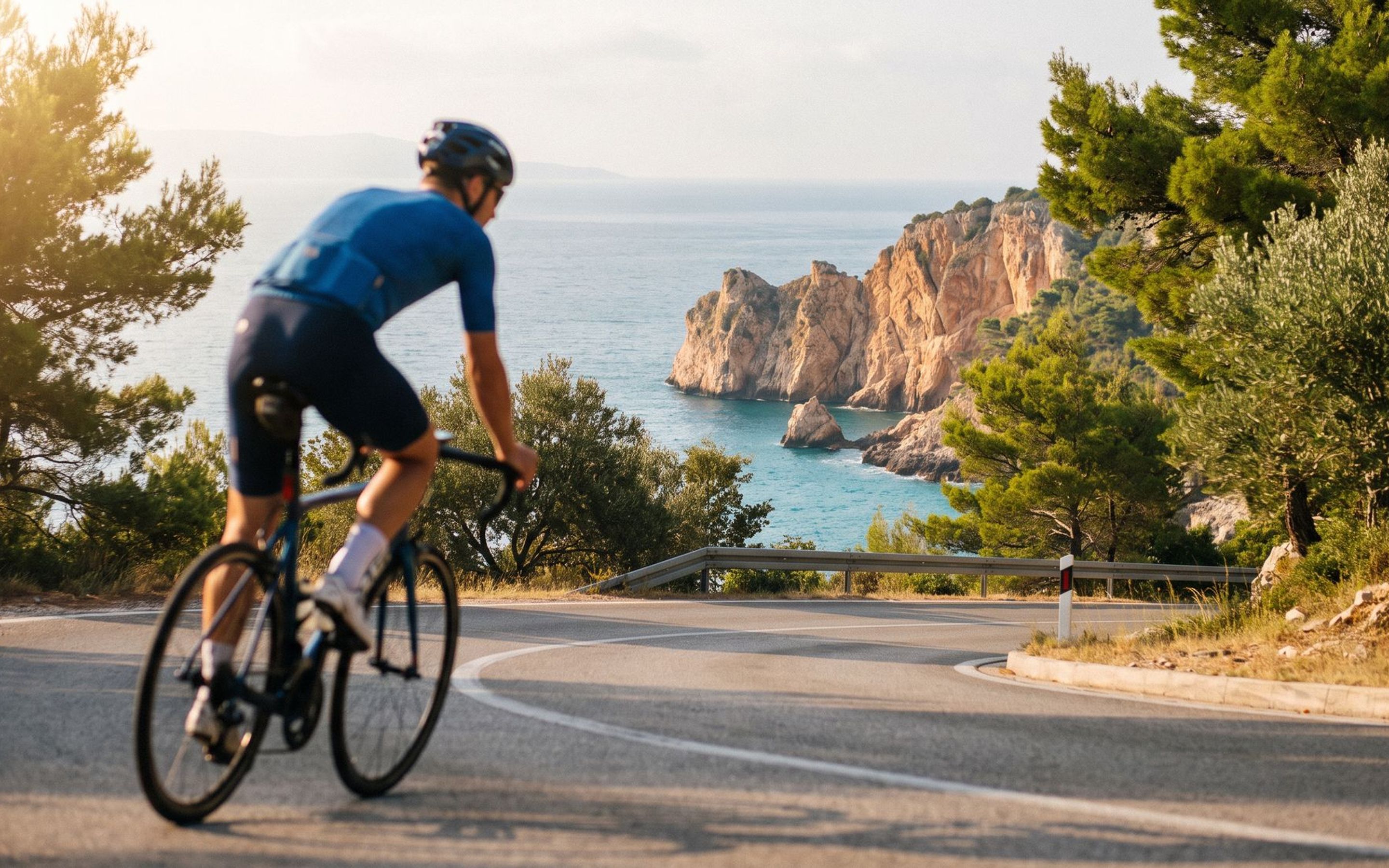
Croatia has a best season for cycling, and it is not summer. That runs against instinct — the Adriatic in July looks like the postcard, all turquoise water and white stone — but high summer is the one stretch of the year most experienced riders here quietly avoid. The temperature is part of it. The bigger problem is everyone else.
So the useful way to think about the best time to cycle in Croatia is not to chase the hottest, brightest weeks but to find the window where the sea is still warm, the roads and ferries are calm, and the light is long enough for proper days in the saddle. For most of the country, that window falls either side of the summer peak, and knowing which side to pick depends on where you are riding.
July and August are the hottest months on the coast, and the heat is the honest, physical kind — midday riding on exposed limestone becomes a grind rather than a pleasure, and the afternoons ask more of you than the scenery gives back. You can ride through it with early starts and long lunches, but you spend the week managing the sun instead of enjoying the route.
The crowds are the harder problem to design around. The Dalmatian coast and its islands run on ferries, and in peak season those ferries fill with cars, the harbour towns fill with day-trippers, and accommodation prices climb to match. A cycling holiday built around island-hopping — which is much of Croatia's appeal — is at its least relaxed exactly when the whole Mediterranean has the same idea. The riding is the same; the experience around it is noisier, hotter and dearer.
The sweet spots are late spring and early autumn — roughly May into June, and September into October. These are the weeks the sea is warm enough to swim after a ride, the days are long, the landscape is either fresh and green or turning, and the roads and ferries have breathing room again.
Early autumn has a particular case to make. The Adriatic holds its summer warmth well into September and often October, so the swimming is still there, but the heat has eased to something you can ride in all day. Prices come off their peak, the islands empty, and the harbour towns go back to being working places rather than crowd scenes. For a lot of riders this is the ideal Croatian week: a warm sea, quiet roads, and the whole thing at a gentler price.
Late spring does the same trick in reverse — green hills, wildflowers, cool mornings and a sea that is swimmable if not quite bath-warm by June. If you feel the cold less than you feel the heat, spring is yours. If you want the water at its warmest, wait for the autumn.
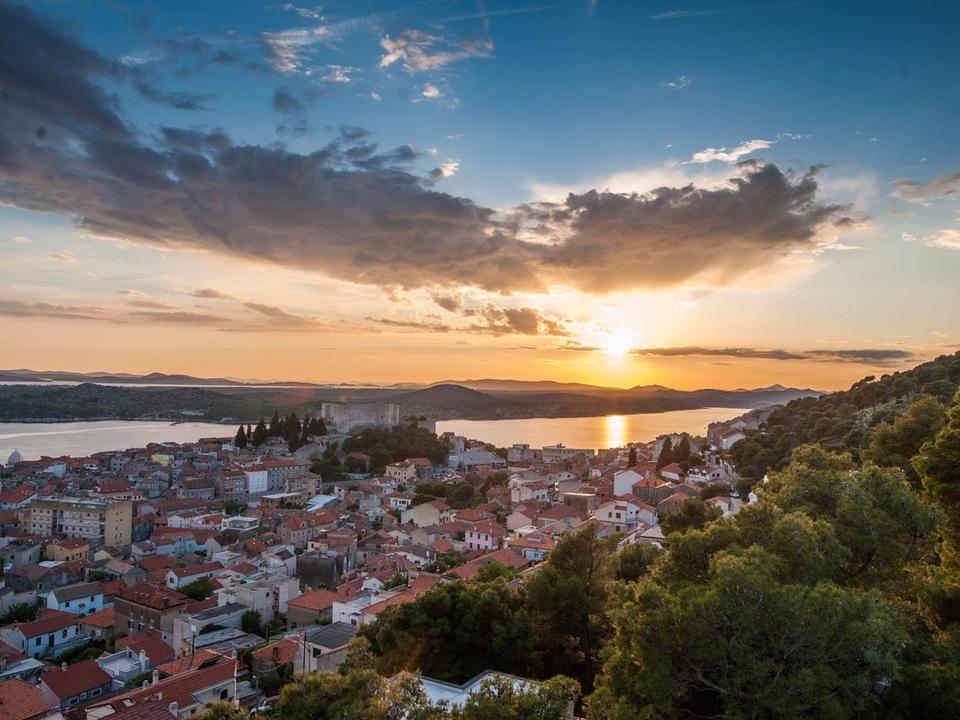
Croatia is not one cycling country, and the regions do not peak at the same time. The Dalmatian coast is the island-hopping, ferry-and-sea-view option, and it lives and dies by the shoulder-season logic above: ride it in the quiet warm weeks of May–June or September–October, when the national parks and islands are at their most rideable and the ferries are calm.
Discover Croatia by e-bike and boat. Ride through national parks, swim in clear seas and visit historic towns along the Dalmatian Coast.
Istria, the peninsula up north, plays a slightly different game. It has the coast, but its real character is inland — hill towns, vineyards and olive groves on quiet lanes, often compared to Tuscany with fewer visitors. That inland riding stretches the good season at both ends, because you are less dependent on sea temperature and ferry timetables. It also gives autumn an extra pull: this is truffle country, and the Istrian tourist board makes truffle hunting one of its signature autumn experiences, with the white-truffle season running through the back half of the year. An October ride through the Istrian hills, ending at a table where the day's find is shaved over your dinner, is a specific and seasonal pleasure the summer simply does not offer.
Istria is also home to the Parenzana, the old narrow-gauge railway turned cycle trail. Its history page records a 123-kilometre line that once linked 33 towns from Trieste to Poreč across what are now three countries, between 1902 and 1935. It is a gravel route best suited to wider tyres rather than a road bike, and it is at its finest in the mild, dry weeks of spring and autumn — not the heat of August.
Croatia's coast is mild by northern-European standards even in winter, but mild is not the same as rideable-on-holiday. Many island ferries drop to a skeleton timetable, a lot of seasonal accommodation and cafés close, and the weather turns changeable. March and early April are improving but still a gamble, with cool water and quiet, half-awake towns. You can ride; you just won't get the Croatia the trip is really for.
The national parks follow the same rhythm. Somewhere like Plitvice Lakes, which many Croatia trips pair with a coastal ride, is at its best in the shoulder months when the walkways are open and uncrowded, rather than deep off-season or peak August.
If you want the warmest sea and the quietest version of the coast, ride Dalmatia in September or early October. If you prefer cooler mornings, green hills and wildflowers, take May or June. If your trip leans inland — Istria's hill towns, the Parenzana, the vineyards and the truffles — autumn is the standout, with the season running comfortably later than it does on the islands.
Whichever you choose, book the shoulder-season dates early. The best small hotels and the most characterful island-hopping and bike-and-boat trips are the first to fill once riders work out that the fortnight either side of summer is the one worth having. For the inland version at its autumn best, our Highlights of Istria trip is a good place to start, or browse the full range of Croatia cycling holidays to match a route to your month.
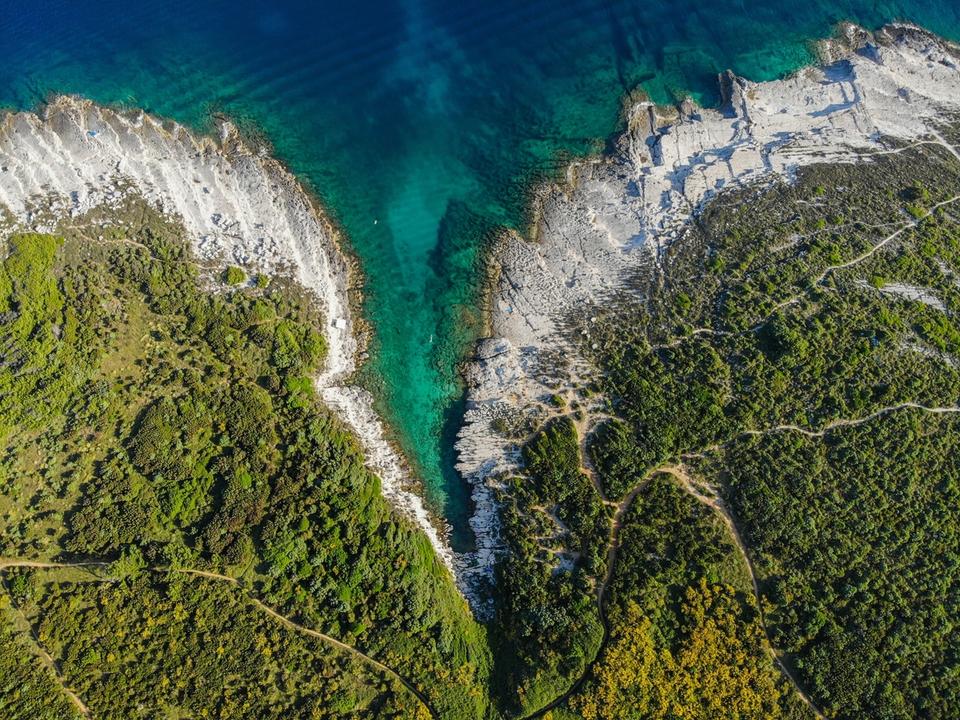
Cycle through coastal towns, hilltop villages and vineyards on this scenic Croatia bike and boat holiday across Istria and its islands.