Bike tour
Pisa to Florence Express
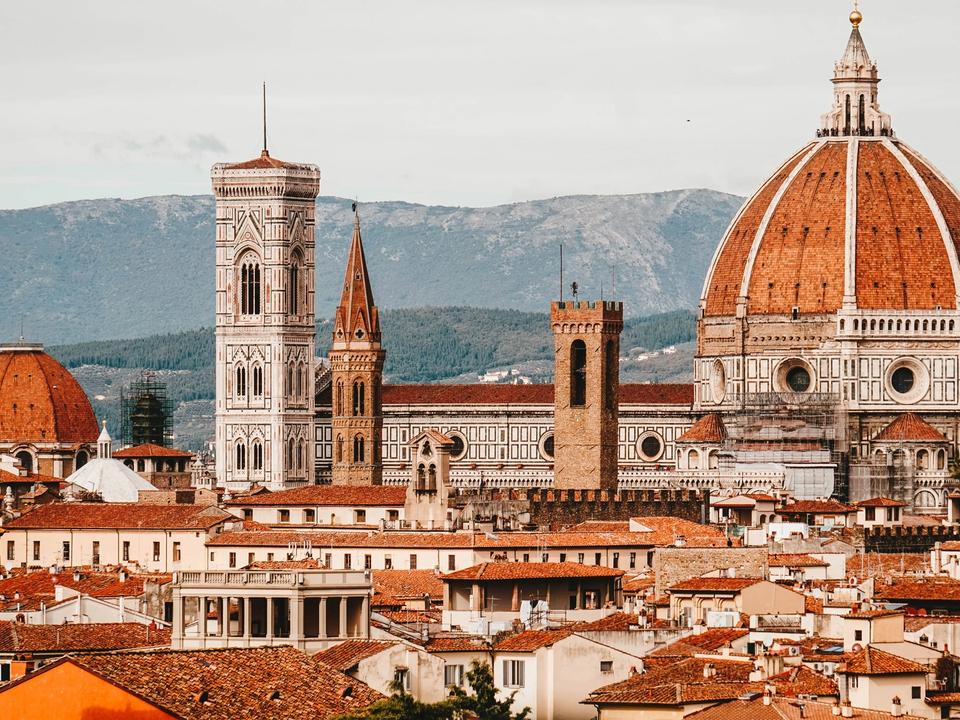
Cycle from Pisa to Florence in 5 days through Tuscan vineyards, olive groves and the grand villas of Lucca, finishing at the Ponte Vecchio.

Rob
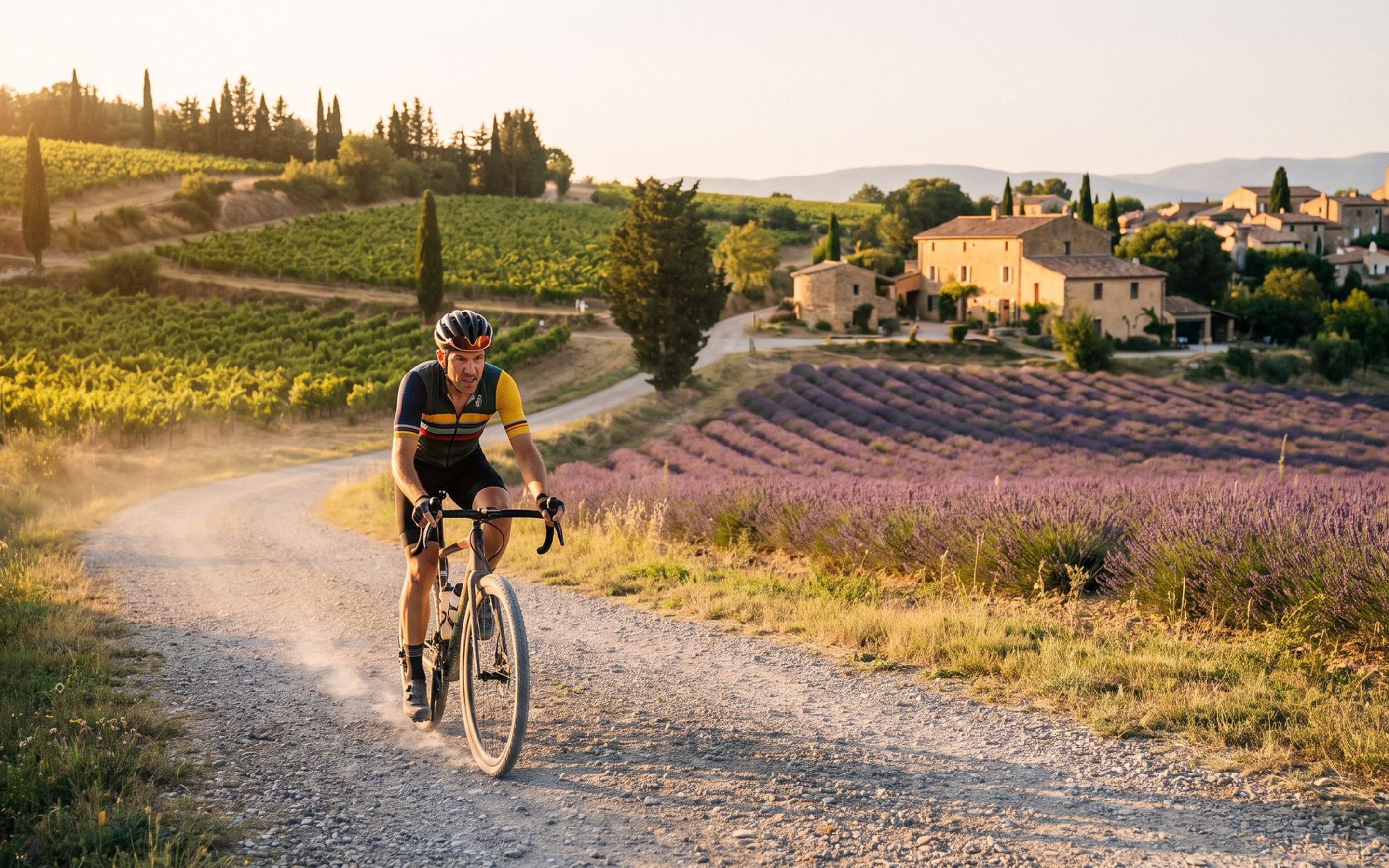
Late afternoon in Chianti, and the road ahead turns to white gravel — a strada bianca lifting between rows of vines toward a hilltop town, cypress trees standing like exclamation points against the gold. Some eight hundred kilometres west, a lane runs dead straight under a tunnel of plane trees, a lavender field humming to one side, an ochre village stacked on the hill beyond. Two rides, two countries, one shortlist. If you are weighing up Tuscany vs Provence cycling for the same fortnight, you are asking a genuinely good question, because these are two of the finest regions in Europe to ride and they are not remotely the same.
This is the honest head-to-head. Rather than call both of them lovely and leave you where you started, it compares the axes that actually differ — terrain, scenery, food and wine, and the best time to go — then gives you a plain steer at the end. Whichever way you lean, you can dig into the detail on the Tuscany cycle holidays and Provence cycle holidays pages. First, the thing most guides skip.
This is the axis that decides whether you have booked the right holiday, so start here.
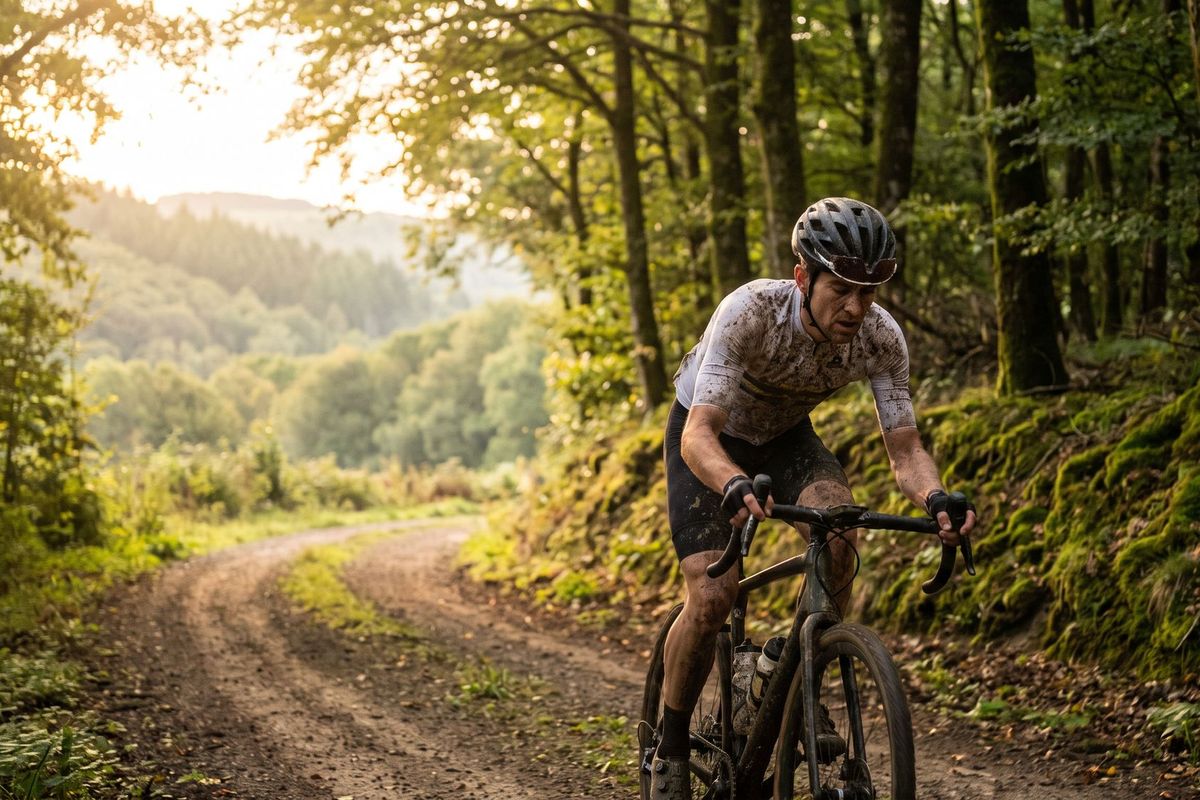
Tuscany is relentlessly rolling. The classic Chianti riding between Florence and Siena is a day-long sequence of short, punchy climbs and quick descents — rarely long ascents, but rarely flat either, so the effort accumulates. Then there are the strade bianche, the white-gravel farm roads that made the region famous. They are firm and rideable on the right tyres, but the surface asks something of you: a little more concentration, a little more in the legs, and a lot more atmosphere. Tuscany rewards a rider who is happy to be gently worked all day.
Provence gives you a wider spread. The Luberon serves up steady climbs to perched villages such as Gordes and Bonnieux, while the Camargue and the Rhône plain to the west are genuinely flat — long, easy, wind-permitting days beside water and rice fields. And for anyone who wants a legend on the itinerary, Mont Ventoux rises nearby, one of the hardest single climbs in road cycling. That is the honest difference: Tuscany hands almost everyone the same steadily undulating day, whereas Provence lets you dial the difficulty from flat to brutal depending on what you choose.
One caveat worth stating plainly. The mistral, the cold northerly wind that funnels down the Rhône, can turn a flat Provençal day into hard work with no hill in sight. Tuscany has no equivalent. On both, an e-bike flattens the maths and puts the harder days within reach of mixed-fitness couples.
Both regions are beautiful. They are beautiful in opposite registers, and that is what to choose on.
Tuscany is Renaissance Italy at cycling pace: cypress avenues, vineyard-striped hills, and hilltop towns you ride toward all morning — San Gimignano's towers, the shell-shaped square of Siena, Florence sitting in its river valley. The colour palette is green and terracotta, and the pleasure is in the towns as much as the roads. It is a landscape that has been carefully farmed and admired for six centuries, and it looks it.
Cycle from Pisa to Florence in 5 days through Tuscan vineyards, olive groves and the grand villas of Lucca, finishing at the Ponte Vecchio.
Provence is sun-bleached southern France: ochre villages that glow orange and red at Roussillon, the dry-stone bories and lavender plateaus of the Luberon, Roman remains at the Pont du Gard and in Arles, and those long plane-tree lanes throwing dappled shade across the tarmac. The mood is warmer, wilder at the edges, more Mediterranean. Where Tuscany feels composed, Provence feels sun-soaked and slightly untamed. Neither is better. They photograph differently because they simply are different.
For a lot of riders this is the tie-breaker, and it is a close-run thing.
Tuscany rides on Sangiovese: Chianti Classico from the very hills you are climbing, Brunello di Montalcino a little further south, and vineyard lunches that run to ribollita, pecorino, bistecca alla fiorentina and good olive oil on everything. September brings the grape harvest, when the cellars are working and the roads smell of fermenting fruit. It is hearty, wine-led, and deeply tied to the landscape you ride through.
Provence answers with rosé — pale, cold and everywhere — alongside olive oil, tapenade, herbs, and morning markets you can build a day around. Lunch is long, shaded and unhurried; dinner leans on vegetables, fish and the herbs the region is named for. If your ideal day ends with a chilled glass under a plane tree, Provence is built for it. If it ends with a robust red at a vineyard table, Tuscany is your region. Either way, both are among the best wine-cycling regions on the continent, as our guide to the best cycling wine tours in Europe sets out.
Good news: the windows overlap. Both are spring-and-autumn regions, and both get uncomfortably hot at the height of summer.
For Tuscany, aim for April to June or September into October. Spring is green and mild; autumn brings the harvest and softer light, with daytime temperatures often in the low-to-mid 20s°C. July and August can push past 35°C, which turns those rolling hills into hard, sticky work.
Provence follows the same shape, with two local wrinkles. The lavender flowers roughly from late June into July, so if that image is why you are going, you are travelling in the hotter, busier part of the year and should plan accordingly. And the mistral is most common in winter and spring, so a calm week is never guaranteed in April. Autumn in Provence is quietly one of the best times to ride it: warm, settled and much quieter. For a fuller month-by-month view across the continent, see our best time to cycle in Europe guide.
Here is the plain-spoken steer, because naming it is the most useful thing this piece can do.
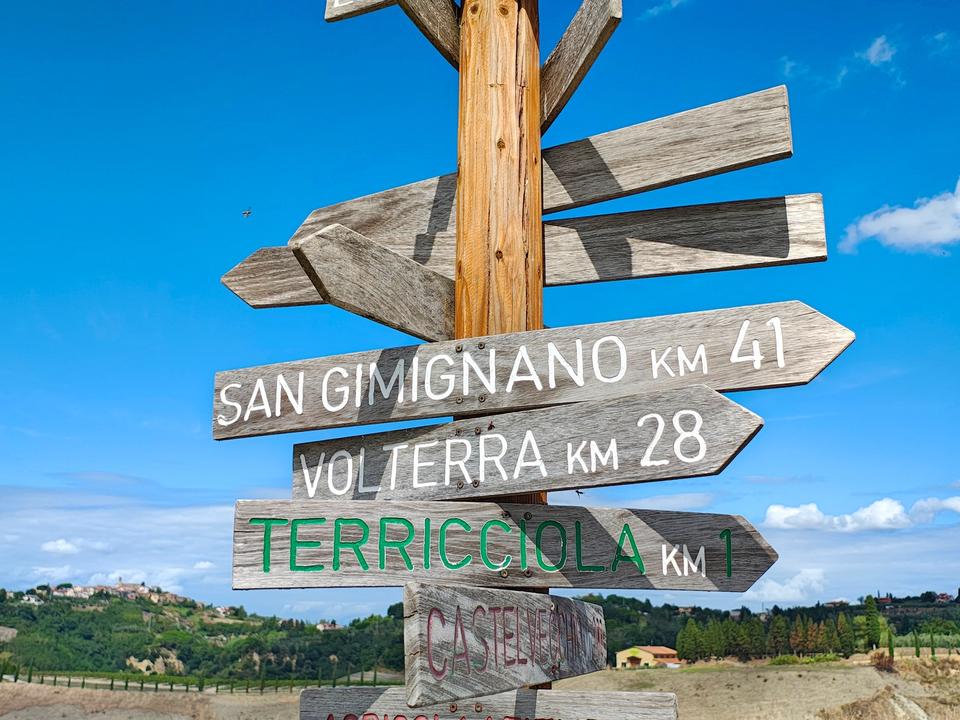
A 7-day self-guided cycling tour from Pisa to Florence via Casciana Terme, San Gimignano, Siena and the Chianti vineyards.
Choose Tuscany if you:
Choose Provence if you:
And the honest mismatches: a rider who wants long, flat, easy days will find Tuscany quietly tiring, while a rider chasing that composed Renaissance-hills feeling won't quite find it in Provence's wider, wilder country. Match the region to the holiday you actually want, not the one that photographs best.
When you have your answer, the detail lives on the region pages — the full range in Tuscany, and the same for Provence. Both carry self-guided and guided options, e-bikes included.
A week's cycling in either region is a meaningful outlay — Pedal Ventures' average booking sits around £3,000 — so it is worth knowing how it works. Pedal Ventures is a marketplace: every operator behind the Tuscany and Provence trips is handpicked rather than listed by default, and every booking is PTS-protected, which means your money is safe if the operator or Pedal Ventures fails. The detail is on the financial protection page. It is online-first throughout, so you compare and book without a phone call or a PDF itinerary.
Neither is better outright — they suit different riders. Tuscany offers steadily rolling vineyard riding, the white-gravel strade bianche and Renaissance hilltop towns. Provence offers a wider range of difficulty, from flat Camargue days to Mont Ventoux, plus lavender, ochre villages and rosé. Choose Tuscany for consistent rolling terrain and robust reds, Provence for variety, warmth and the option to pick your own challenge.
It depends what you book. Tuscany is more uniformly demanding: almost every day is rolling, and the strade bianche add a surface challenge, so there are few genuinely easy days. Provence spans a much wider range — the Camargue and Rhône plain are flat, while Mont Ventoux is one of the toughest climbs in road cycling. For a mix that includes easy days, Provence is more flexible. For steady all-day effort, Tuscany asks more of the average rider.
April to June and September into October. Spring is mild and green; autumn brings the grape harvest and softer light, with temperatures often in the low-to-mid 20s°C. Avoid July and August, when it can exceed 35°C and the rolling hills become hard work.
The same spring and autumn windows, April to June and September to October. If you want to see the lavender in bloom, travel from roughly late June into July, accepting the heat and larger crowds. Autumn is a particularly good time: warm, settled and quiet. Be aware of the mistral wind, which is most common in winter and spring.
Both work for less experienced riders when you choose the routes and the bike accordingly. E-bikes are widely available in each region and make a real difference — smoothing Tuscany's constant rolling and taking the sting out of Provence's climbs. Provence has the edge for true beginners thanks to its flat Camargue and river days, but a gentle self-guided Tuscan itinerary on an e-bike is very achievable too.
You can, though they are a full day's travel apart and each rewards a week in its own right. Most riders pick one per holiday and save the other for next time. If you are set on combining them, treat it as two separate weeks rather than trying to rush both, and build in the transfer day between France and Italy.