Bike tour
Danube Delta: Romania’s Natural Beauty
Discover Romania’s Danube Delta on a cycling and boat tour. From Tulcea to the Black Sea, experience nature, history, and culture.

Rob
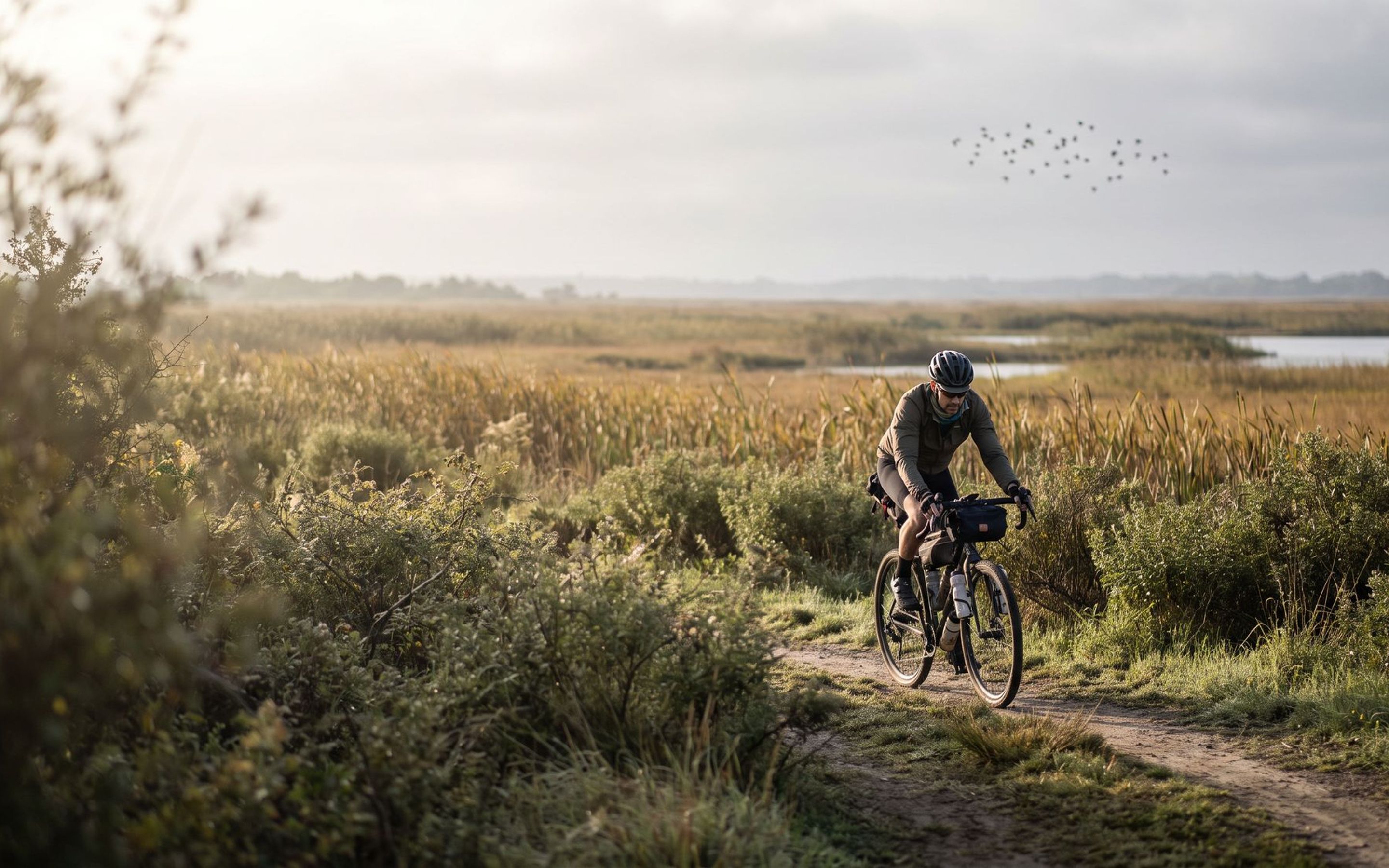
Over 320 bird species have been recorded in the Danube Delta, which draws birds from six major ecoregions of the world. That single fact tells you most of what you need to know about when to go. The delta does not really run on a holiday calendar; it runs on a migration calendar. Work out what the birds, the water and the mosquitoes are doing in a given month, and you have worked out the best time to cycle the Danube Delta.
The short answer: late spring, roughly late April into May, or early autumn in September. Those two windows give you the fullest wildlife, the most comfortable riding temperatures and the fewest insects. Everything else is a trade-off between those three things. If you are weighing up cycling the Danube Delta, this guide walks through each season honestly, so you can match the trip to what you actually want to see.
Discover Romania’s Danube Delta on a cycling and boat tour. From Tulcea to the Black Sea, experience nature, history, and culture.
Most cycling destinations ask one question of the calendar: how hot or wet will it be? The delta asks three. Temperature matters, because high summer on a shadeless wetland is hard work. Water matters, because the channels, lagoons and reed islands change character through the year. And wildlife matters most of all, because the whole point of riding here is what you see from the saddle and the boat.
The Danube Delta is a UNESCO World Heritage Site and the second-largest and best-preserved river delta in Europe, stretching across more than 4,000 square kilometres where the river finally reaches the Black Sea. It is a working landscape of fishing villages and reed beds rather than a manicured park, which is exactly why the season you choose shapes the trip so completely. A week that lands in peak migration feels like a different holiday from the same route in August.
For many riders, yes. Spring migration peaks across April and May, when the delta fills with returning and passing birds and species diversity reaches its height for the year. This is when the great white and Dalmatian pelicans gather at their breeding colonies, when pygmy cormorants and herons work the shallows, and when the reeds turn vivid green after the winter.
Late April and May have a second advantage that regular visitors prize: the warmth has arrived, but the mosquitoes have not yet reached full strength. You can sit out in the evening at a village guesthouse without being driven indoors. Daytime temperatures are pleasant rather than punishing, which suits the delta's flat, unhurried riding — this is a place you explore at the pace of the water, not against the clock.
The trade-off is that spring is the busiest window with birdwatchers, and the weather is less settled than later in the year. A cool, breezy May day on open water can feel sharper than the forecast suggests, so pack a windproof layer even when the sun is out.
Summer is the obvious instinct and the weakest choice. July and August bring the strongest heat and humidity, and on a landscape with almost no shade that turns easy, flat riding into a sweatier affair than the gentle profile implies. Water levels are typically lower by late summer, which changes which channels the boats can reach.
Then there are the mosquitoes. Numbers vary year to year with water levels and weather, but high summer is reliably their peak, and evenings outdoors become a test of your repellent rather than a pleasure. None of this makes summer impossible — families tied to the school holidays still ride here and enjoy it — but go in knowing you are choosing the hottest, buggiest version of the delta. Early mornings on the bike and middle-of-the-day time on the boat become the sensible rhythm.
If summer is your only option, prioritise a trip built around a comfortable base on the water. A boat-and-bike structure, where you return each day to a floating hotel rather than camping out on the reeds, takes a lot of the sting out of the season.
Early autumn is the quiet favourite, and for some riders it beats spring outright. From September into mid-October the fierce summer heat has broken, temperatures settle into a comfortable range, and the insect pressure drops sharply from its August high. The light softens too — low, golden and kind to both the scenery and your photographs.
The birds are still the headline. Autumn is a second migration, as huge numbers of waterbirds mass and move south ahead of winter, so the wildlife remains a genuine reason to come rather than an afterthought. You trade the breeding-season drama of spring for the gathering-and-departing spectacle of autumn, with calmer water and fewer other visitors as a bonus.
September is the sweet spot. By late October the season is winding down, days are shortening, and both weather and wildlife start to thin out. Aim for the first half of autumn and you get most of the reward with little of the compromise.
Honest answer: beautiful, stark and largely closed for cycling. Winter brings cold, mist and sometimes ice across the channels, and while hardy birdwatchers come for wintering species such as white-tailed eagles and red-breasted geese, the supported riding trips do not run in any meaningful way. Treat winter as a specialist wildlife season rather than a cycling one, and plan your holiday for the spring-to-autumn window instead.
If you want the richest wildlife and can accept a few more people around, go in late April or May. If you want the easiest conditions underfoot and in the air, go in September. Both avoid the twin problems of July and August — heat and mosquitoes — and both deliver the migration spectacle the delta is famous for.
Because this is a remote, watery landscape, the practical answer is usually a guided boat-and-bike holiday that bundles the logistics into the right season for you. The Danube Delta: Romania's Natural Beauty trip is a good example of the format: around eight days based on a floating hotel, with transfers from Bucharest and Tulcea as the gateway, so the daily cycling stays gentle and the hard logistics are already solved. Pedal Ventures is a marketplace of hand-picked local operators, which means the departures that make the schedule are the ones timed to the delta's best weeks rather than simply the cheapest dates.
For a feel of the riding itself, our longer read on exploring Romania by bike through the Danube Delta covers what the days are actually like. And if you are still choosing between regions, the wider Romania cycling collection is the place to start. Pick your window, and let the delta's calendar do the rest.