Bike tour
Scotland Bike & Boat - Inner Hebrides
Discover the Inner Hebrides from Oban aboard a sailing hotel. Scenic shores, red deer, dolphins, whisky pubs and island beaches.

Rob
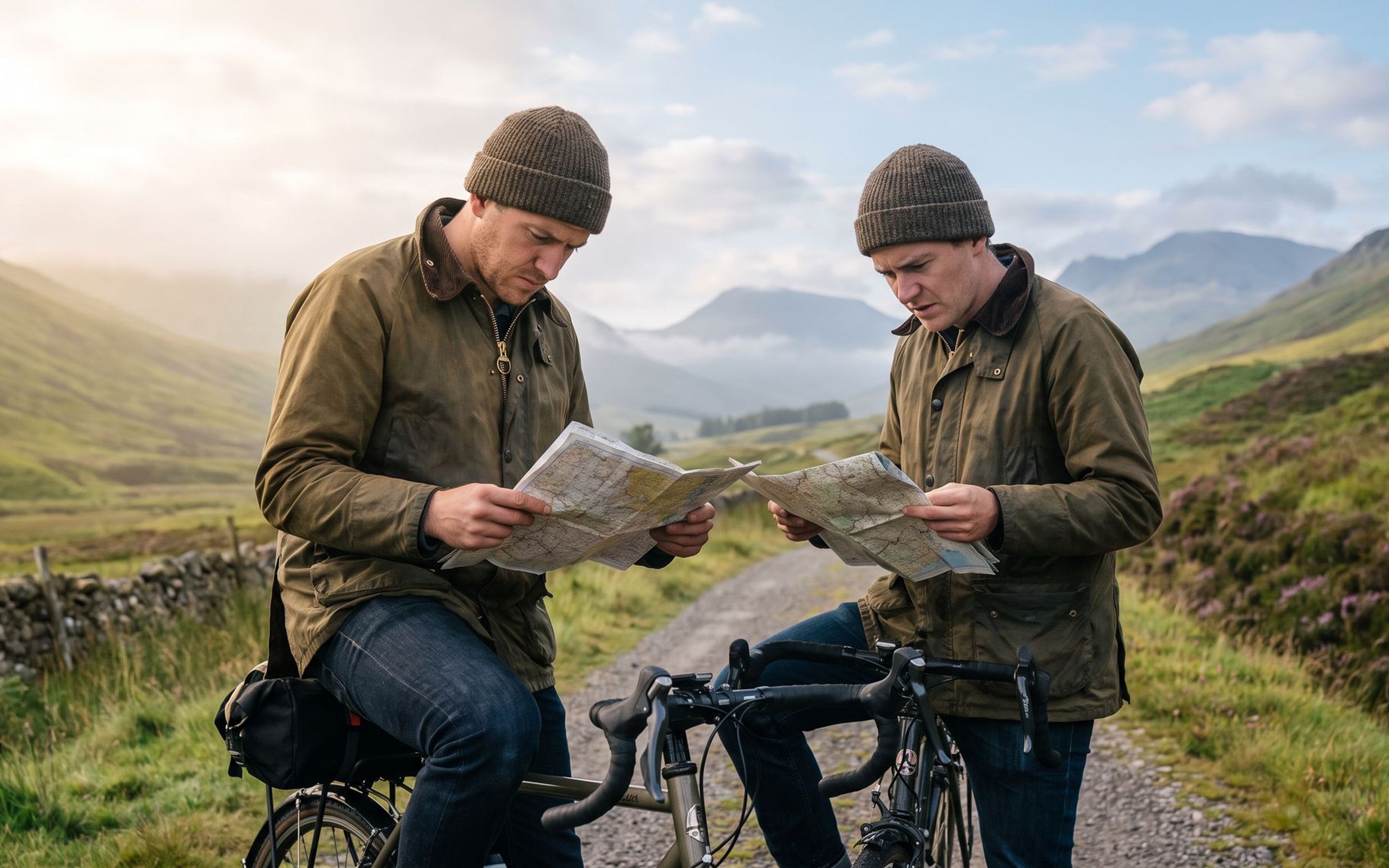
Is Scotland too hard for a cycling holiday? It is the question that stops a lot of people before they start, usually with a picture in their head of the North Coast 500, a headwind and a mountain pass they have no intention of climbing. So let me reframe it: whether Scotland is good for cycling for you depends almost entirely on one decision — the route you choose. Pick the wrong one and yes, it can be genuinely brutal. Pick from the many easy options and Scotland is as gentle as anywhere in Europe, with better scenery than most.
This is a guide to that choice: where the "too hard" reputation comes from, the easy Scotland most people never hear about, how e-bikes change the sums, and the honest reasons it might still not be for you.
Discover the Inner Hebrides from Oban aboard a sailing hotel. Scenic shores, red deer, dolphins, whisky pubs and island beaches.
It comes from the famous routes, and it is not entirely unfair. The North Coast 500 is a serious, hilly, exposed 516-mile loop. The Bealach na Bà is the hardest road climb in the country. Ride the remote single-track of the far north-west and you are a long way from help in unpredictable weather. These are real, and they are the images that fill the postcards and the Instagram feeds.
But they are the top end of a very wide range — the equivalent of judging cycling in France by the Alpine passes of the Tour. They are what Scotland offers the rider who wants a challenge. They are not what Scotland is.
Underneath the famous climbs sits a whole network of gentle riding. VisitScotland points out that the country has over 500 miles of traffic-free routes along railway paths, canal towpaths and forest trails, much of it flat and completely separated from cars. The flagship is the Caledonia Way, National Cycle Network Route 78, which runs the length of the west from Campbeltown to Inverness on quiet roads and dedicated paths — and it keeps growing, with the cycling charity behind the network recently opening another traffic-free link on the route.
If you want genuinely flat, there is plenty. Cycling UK describes the canal-towpath crossing from Glasgow to Edinburgh as having, in terms of climbing, "essentially none — it's flat": a coast-to-coast ride a beginner can do in a weekend. And VisitScotland keeps a list of beginner routes ideal for those setting out on their first cycling adventures, most of them level and off-road. Add the gentle islands and the rolling Borders, and there is a version of Scotland for almost every ability.
The other thing that has quietly transformed Scotland for nervous riders is the e-bike. Where the terrain does climb — and away from the towpaths and old railways, it will — an electric motor turns a hard day into an easy one, flattening the glens and taking the fear out of the hills. Hire is now widely available, and for a mixed-ability couple or family it is often the single decision that makes a Scottish trip work. You keep the scenery and lose the suffering.
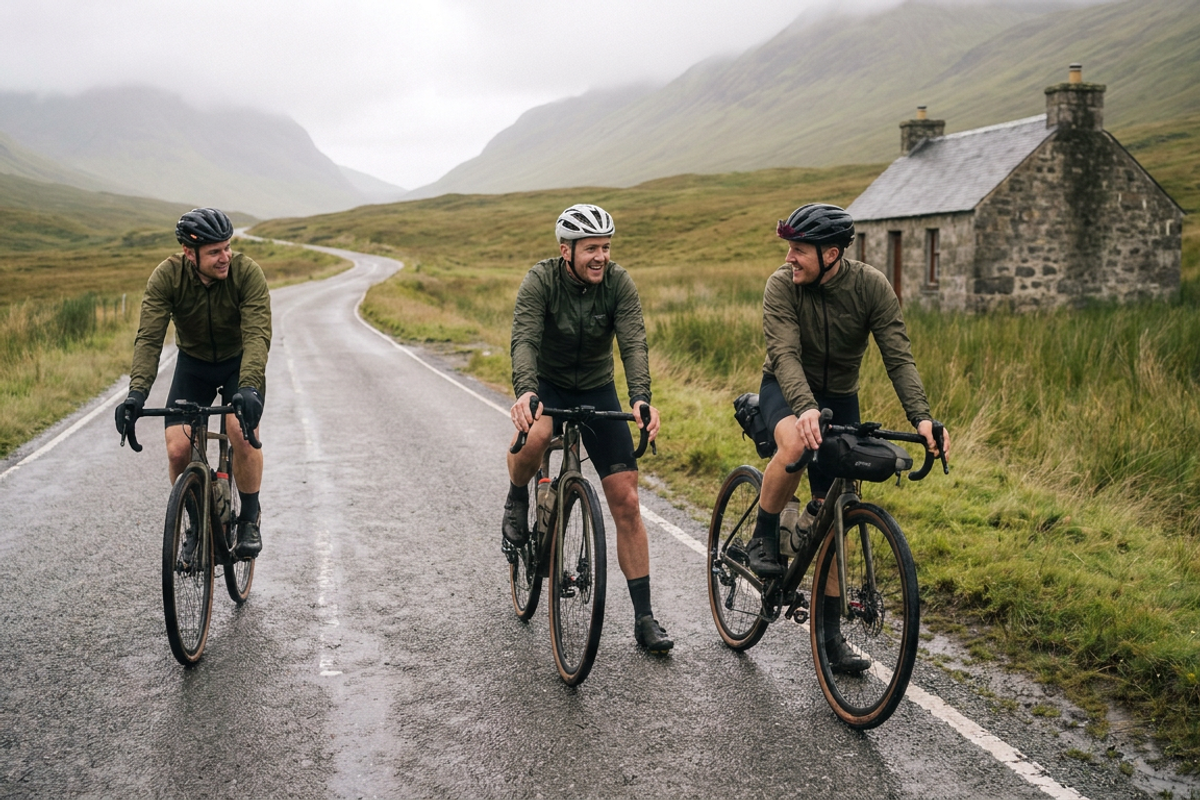
Two things are genuinely harder in Scotland, and neither is gradient. The first is the weather: it is changeable and often wet, and on exposed routes the wind does more to tire you than any hill. The second is remoteness — on the wilder routes, shops, cafés and help can be a long way apart, which asks for planning a gentle spin along a canal never will. And some routes really are hard: the full NC500, the high passes and the rough, remote single-track are not the place to learn. The trick is simply not to choose those for a first trip. The Scottish Highlands and Hebrides can be ridden gently or hard depending on the itinerary — the label is not the difficulty.
If you want flat, easy, traffic-free days, Scotland has them in abundance — pick the towpaths, the old railways and the Caledonia Way. If you want a bit more, with the safety net of an electric motor, an e-bike opens up the glens. If you want the genuine mountain challenge, it is there when you are ready. The only real mistake is picking a hard route by accident.
If the exposure of a self-supported Highland trip still feels like a lot, the gentlest way to see the west is by bike and boat through the Inner Hebrides, where a small ship carries you and your luggage between islands and the daily distances are short. Whichever you choose, booking through a marketplace like Pedal Ventures means handpicked local operators and PTS-protected payment, so your money is covered if a supplier fails. Match the route to your legs, and Scotland is far kinder than its reputation.
Only if you choose the hilly routes. Scotland has famous climbs like the Bealach na Bà, but it also has hundreds of miles of flat, traffic-free riding on canal towpaths and old railway lines. Pick a low-level route such as the Caledonia Way or the Glasgow-to-Edinburgh canal path and the cycling is gentle; an e-bike flattens the hillier options.
Yes, plenty. VisitScotland counts over 500 miles of traffic-free routes on railway paths, canal towpaths and forest trails, much of it level. The coast-to-coast canal towpath from Glasgow to Edinburgh is essentially flat, and many of the National Cycle Network routes are gentle and off-road, making them ideal for families and beginners.
It can be, provided you choose beginner-friendly routes. The traffic-free canal and railway paths and the easier stretches of the Caledonia Way are well suited to first-timers, and VisitScotland publishes a list of gentle beginner routes. Avoid the remote Highland single-track and the big-name challenge rides until you have more experience.
It depends on the route, not the country. The flat towpaths and railway paths need little fitness, especially on an e-bike, while the North Coast 500 and the mountain passes demand a good level. Decide how hard you want it to be first, then pick a route to match — Scotland has options across the whole range.