Bike tour
Scotland Bike & Boat - Inner Hebrides
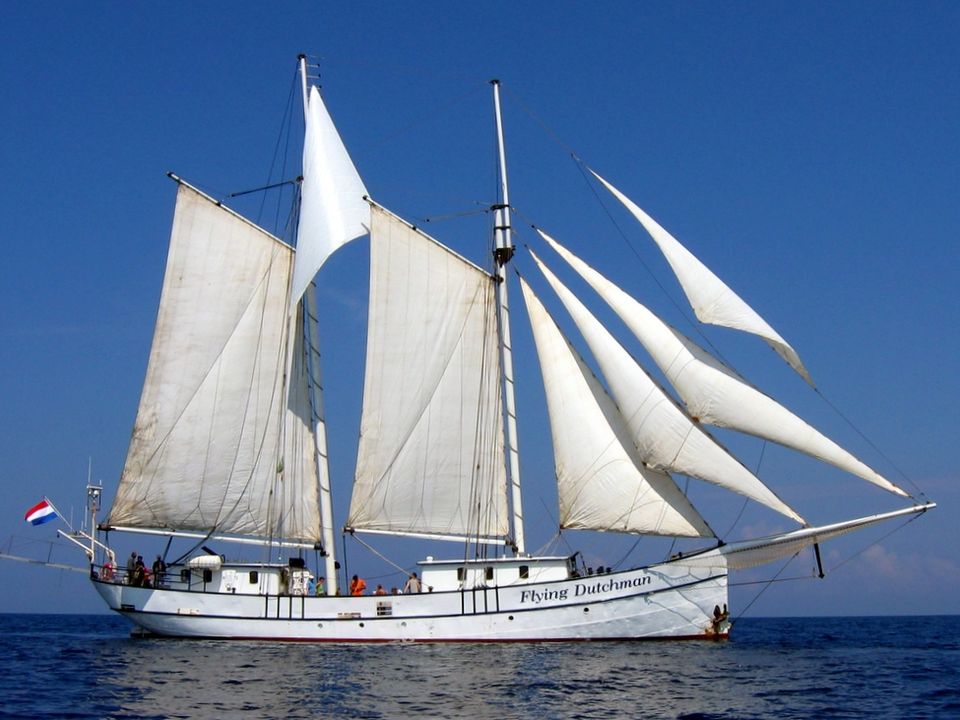
Discover the Inner Hebrides from Oban aboard a sailing hotel. Scenic shores, red deer, dolphins, whisky pubs and island beaches.

Rob
When is the best time to cycle in Scotland? It is a fair question, and the honest answer surprises people, because it has very little to do with temperature. Scotland is rarely hot in the riding season and rarely truly cold; a July day and a May day can feel much the same on the bike. What actually decides when to go are two things that never make the postcards: daylight and midges. Get those right and Scotland is among the most rewarding places in Europe to ride. Get them wrong and you will spend a beautiful holiday swatting at your own face in the dark.
So this is a guide to the best time to cycle in Scotland built around the things that matter — the light, the midges and the famously changeable weather — rather than a column of average temperatures that tells you nothing useful.
Discover the Inner Hebrides from Oban aboard a sailing hotel. Scenic shores, red deer, dolphins, whisky pubs and island beaches.
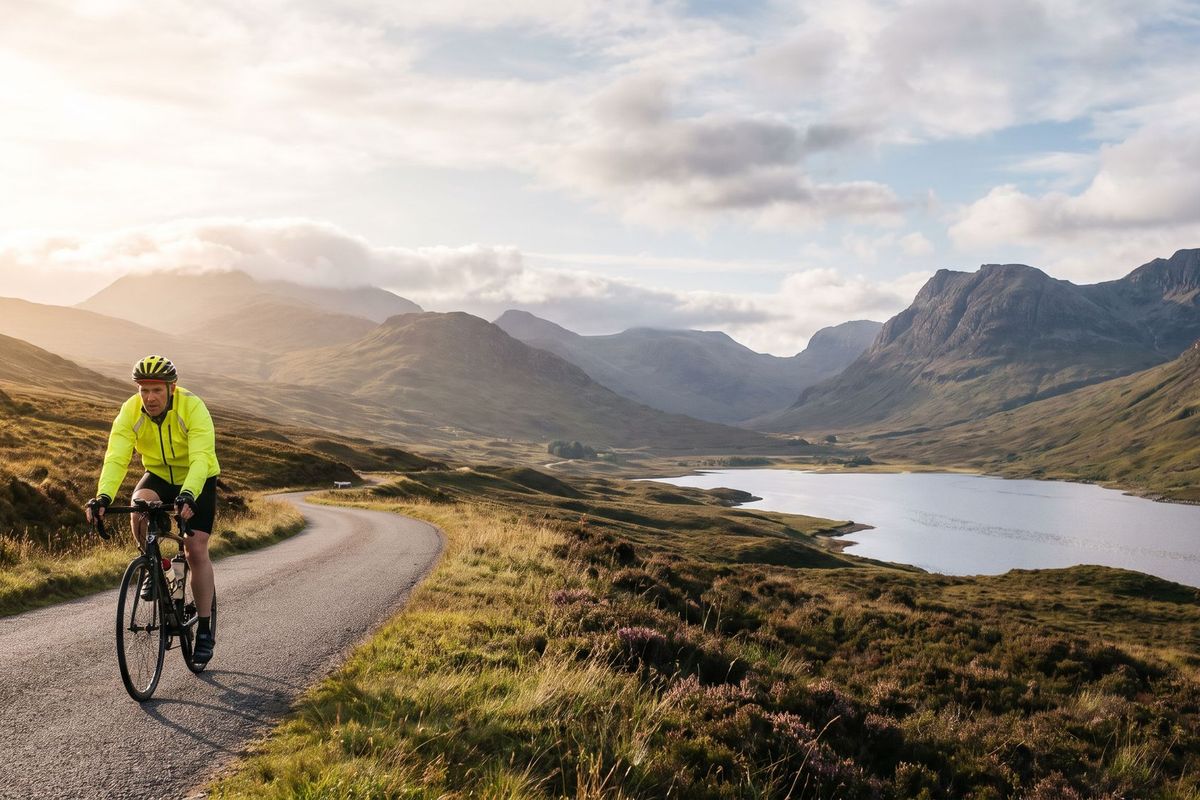
Scotland's great seasonal asset is light. This far north, midsummer days are enormous: up in Shetland, the islands' tourism board notes, the sun sets after 10pm, giving around 19 hours of daylight and a lingering post-sunset glow the locals call the "simmer dim". The mainland Highlands are not far behind. In June you can still be riding at nine in the evening with the light soft and gold, which changes what a cycling day can be: a long, unhurried route with time to stop, or the freedom to sit out a wet afternoon and ride into a glorious evening instead. No southern-European destination hands you that, and it is the single best reason to come in early summer.
Then there is the catch. The Highland midge is a tiny biting insect that swarms in the warmer months, and for a cyclist it is the real seasonal variable. The good news is that midges hate exactly the conditions that make good riding: they are, as the record puts it, prevalent in humid, wet and cloudy conditions and very prevalent from late spring to late summer, at their worst on still, damp days and around dawn and dusk, and much less active in any breeze above a gentle walking pace. That means they rarely trouble you mid-ride — it is the stops that suffer: pitching a tent, eating outside, standing at a viewpoint on a windless evening.
Their peak runs roughly June to August, which is precisely why the shoulder weeks on either side are so prized. Ride in late May or September and you keep much of the long daylight while dodging the worst of the biting. If you are camping rather than staying in hotels, this matters even more — carry repellent and a head net, and lean hard towards the shoulders.
April to early May is quiet and often surprisingly dry, especially on the east coast, with almost no midges — but the days are shorter and the high ground is still cold. Good for hardy riders.
Late May and June are the sweet spot. Daylight is at its vast maximum, the landscape is at its greenest, and the midges are only just stirring. If you come to Scotland once, come now.
July and August are the warmest and busiest months and the peak of the midge season. They are perfectly rideable, but book accommodation well ahead, expect company on the popular routes, and plan around still evenings.
September is the connoisseur's month: still-generous daylight, thinning crowds, fading midges and the first of the autumn colour. VisitScotland rightly calls autumn one of the most scenic times of the year, and it is a quietly brilliant time to ride.
October to March is for the committed only — short days, cold and wet, but empty roads and real atmosphere.
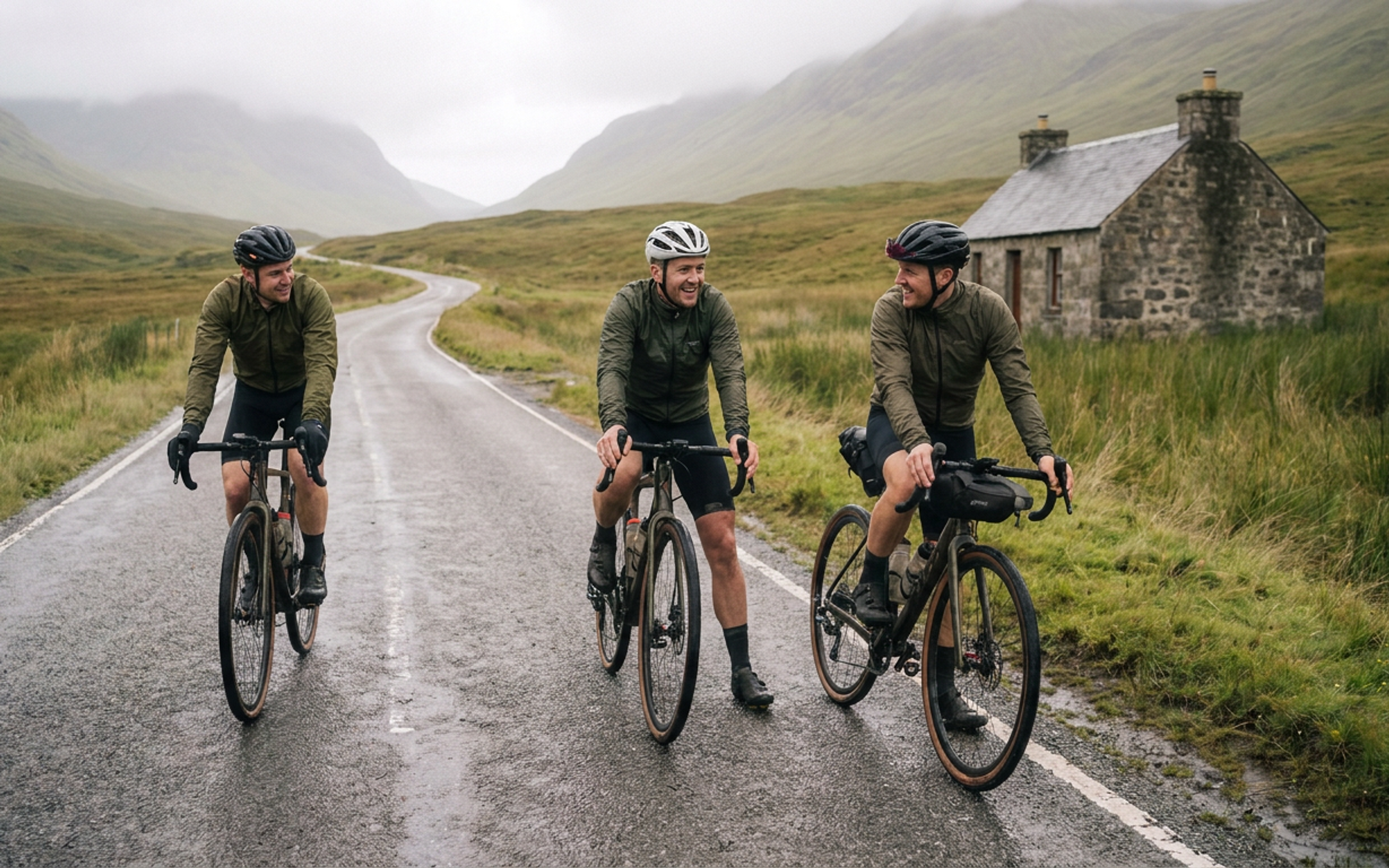
Here is the part no one can plan away. Scotland's weather is not reliably anything. VisitScotland's own guidance is that it varies noticeably from region to region, between the coast, islands, cities and mountain areas, and it is entirely capable of delivering all four seasons before lunch. As a rule the west, the islands and the Highlands are wetter than the drier east, so an east-coast or Borders trip stacks the odds a little in your favour if rain worries you.
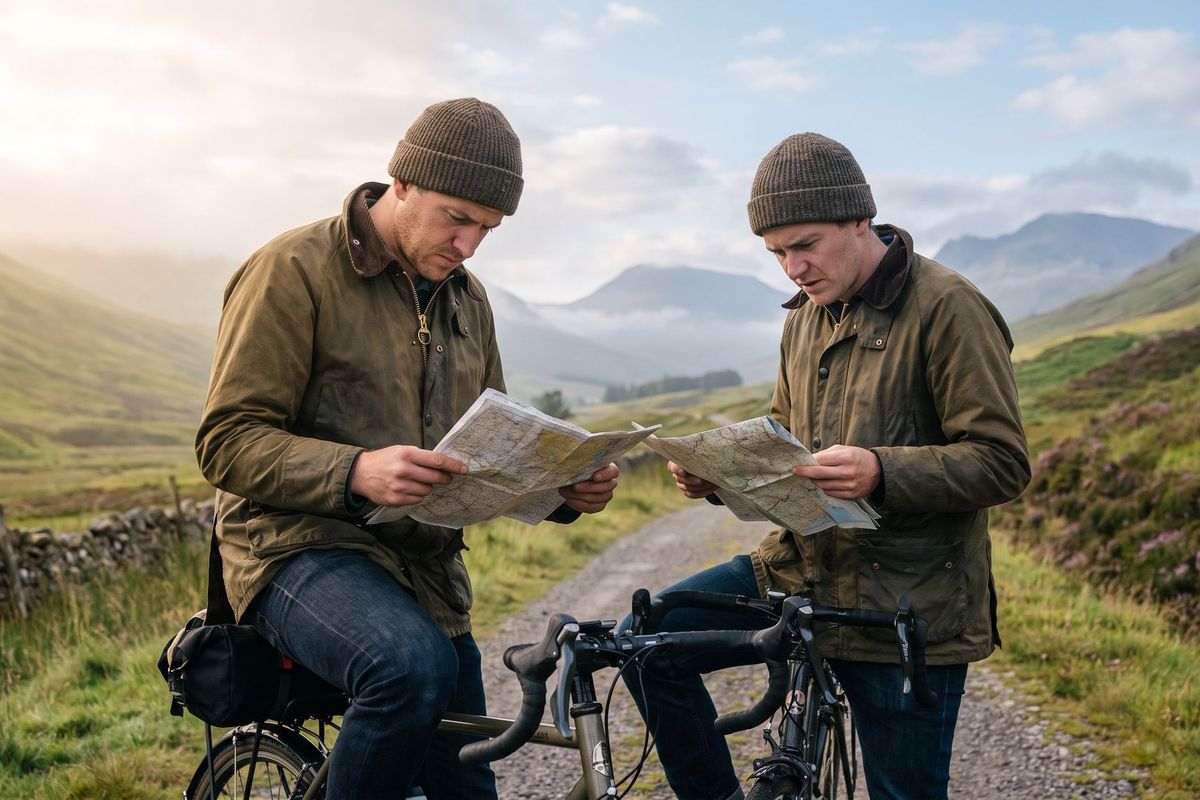
None of this is a reason to stay away — it is a reason to pack for everything and hold your plans loosely. A good waterproof, proper layers and a flexible attitude will do more for your holiday than the month you choose. The riders who love Scotland are the ones who stop fighting the weather and start enjoying the way it changes the same glen three times in an afternoon. The Scottish Highlands and Hebrides are the classic proving ground for exactly that.
Late May, June or September — that is the short answer. You get the long northern light, the midges are manageable, and you give yourself the best odds on the weather. Ride July or August if the school holidays decide it for you, but start early, carry repellent and book ahead. And if the exposure of a self-supported Highland trip sounds like more than you want, a gentler way to see the same coastline is by bike and boat through the Inner Hebrides, where a small ship is your hotel and the daily distances are far kinder. Whenever you come, plan around the light and the midges rather than the thermometer, and Scotland will look after the rest.