Bike tour
Pisa to Florence Express
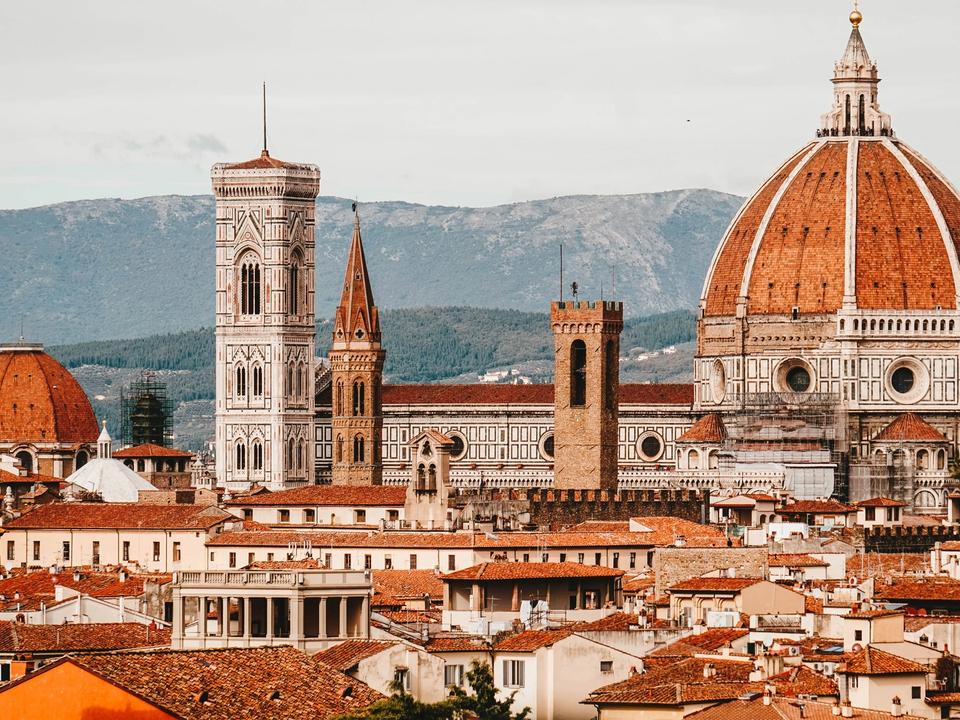
Cycle from Pisa to Florence in 5 days through Tuscan vineyards, olive groves and the grand villas of Lucca, finishing at the Ponte Vecchio.

Rob
Ask a cyclist "when should I go to Italy" and the honest answer is a question back: which Italy? Because the country you ride in June near the Dolomite passes is a different planet from the one you ride in June in the far south, where the heat is already building toward something you'd rather avoid. Italy stretches more than 1,200km from the Alps to the tip of Sicily, and it does not have one cycling season. It has several, running at different times, and the trick to timing the best time to cycle in Italy is matching your region to your month rather than trusting a vague "spring and autumn are lovely."
That advice isn't wrong, but it's blunt enough to be useless. Spring in Sicily and spring in the Dolomites are months apart in practice. So this guide does the honest thing and splits cycling holidays in Italy into three climates, walks you through the calendar month by month, and tells you where to ride and where to hold off. The short version, if you only remember one line: May, June, September and early October are the sweet spots almost everywhere — but the edges of the year still have plenty to offer if you know where to point the front wheel.
Before the calendar, the map. It's easier to time a trip once you stop thinking of Italy as a single place and start thinking of it as three.
The North — Dolomites, the lakes, Veneto. This is high-altitude, alpine Italy, and its season is short and sharp. The famous Dolomite passes sit above 2,000 metres and only clear of snow from roughly late June to late September or early October. Ride them in that window and the high country is glorious; arrive in May and half the road may still be shut. The lakes are gentler and forgiving — Lake Garda and its neighbours ride beautifully in the shoulder months when the passes above are still locked.
The Central belt — Tuscany, Umbria, Piedmont. The classic postcard Italy, and the one with the most generous shoulder seasons. April to June and September to October are the reliable windows: warm days, green or golden hills, long light. July and August turn hot and hazy, better ridden at dawn than at noon.
The South and the islands — Puglia, Sicily, Sardinia. The longest season of the lot. Spring and autumn are ideal, winters are mild enough to ride through, and summer is the one to be wary of — the heat down here in July and August is serious. If you want to cycle in Italy in the shoulders of the year, the south is where the country stays rideable longest.
Hold those three in your head and every month below sorts itself out.
Here's the year, walked from January to December, with real temperatures and where each month actually works.
January and February belong to the south. Sicily and Puglia sit around 12–16°C by day, the roads are empty, and the light is low and clear. The rest of Italy is cold and the northern passes are firmly shut. February has a foodie's reason to head to Sicily too: the almond trees blossom pink across the Agrigento countryside, weeks before spring reaches anywhere further north.
March is when the south wakes up properly — Puglia and Sicily climb to 15–18°C and the citrus groves are heavy with fruit. Central Italy is still cool and can be wet, hovering around 13–15°C, so Tuscany is early but not impossible.
April opens the central belt. Tuscany and Umbria settle into 16–20°C, wildflowers come through the vineyards, and everything feels new. The south is warmer still at 20–23°C. The northern lakes are stirring, though the high mountains stay out of reach.
May is one of the year's clear winners. Tuscany runs a near-perfect 20–24°C, the hills are at their greenest, and Lake Garda is lovely before the summer crowds. The south is warm at 24–27°C. If you want the country at its most comfortable, May rarely disappoints.
June is the other early highlight, and the month the North finally opens. The Dolomite passes clear through the month, so alpine riding becomes possible just as the lakes and central hills are still very pleasant at 25–28°C. The far south is beginning to heat up — a sign of what's coming.
July flips the map. Now the North is where you want to be: at altitude the Dolomites stay fresh while the valleys are warm, ideal high-summer riding. Central and southern Italy, meanwhile, push into the low-to-mid 30s°C, and rides there are best finished before mid-morning.
August is the one to be honest about. It is the hottest month, with the south and the plains regularly at 33–38°C, and it collides with Ferragosto, the mid-month holiday around 15 August when much of Italy simply closes. Family-run trattorias, village shops and small hotels shut for a week or two, the coast fills with Italians on holiday, and inland towns can feel oddly shuttered. The high Dolomites remain the honourable exception — cool, open and spectacular. Everywhere else, August asks more of you than it gives back.
September may be the best all-round month in the entire Italian calendar. The fierce heat breaks to a comfortable 22–27°C across most of the country, the sea is still warm from summer, the crowds thin out, and — crucially for the food-minded — the grape harvest, the vendemmia, gets under way across Tuscany and Piedmont. Warm days, quieter roads, ripe vineyards, everything open. It is hard to beat.
October, at least its first half, keeps the run going. Tuscany turns to autumn colour, the olive harvest begins, and Piedmont enters white-truffle season around Alba — reason enough for a Foodie Cyclist to book. The south holds onto 22–25°C. By late October the Dolomite passes start closing again as the first snow arrives up high.
November and December return the season to where it started: the south and the islands. Sicily and Puglia stay rideable at 13–17°C, quiet and mild, with the olive harvest still going in November. The north is done until spring. It's not headline cycling weather, but for a winter escape on two wheels, the deep south of Italy quietly delivers.
If you already know where you want to ride, work backward from the region. Here's the honest best window for the five that matter most.
Tuscany is a two-season affair. Late April into June gives you green hills, wildflowers and warm-but-not-hot days; September into early October gives you the harvest, softer light and autumn colour. July and August are hot and hazy — ridable at dawn, punishing by lunch. For most people the answer to the best month to cycle Tuscany is May or September. Plan a trip on the Tuscany cycling holidays page.
Cycle from Pisa to Florence in 5 days through Tuscan vineyards, olive groves and the grand villas of Lucca, finishing at the Ponte Vecchio.
The Dolomites are ruled entirely by the snow line. The high passes are reliably open only from late June to late September, occasionally nudging into early October in a kind autumn. That short window is non-negotiable, so book with it in mind. Start with the Dolomites cycling holidays page.
Puglia rewards the shoulders of the year most of all. March to May and September to November are superb — mild, quiet, and full of olive groves and coastline — while July and August are hot and busy. It's also one of the more forgiving winter options. See the Puglia cycling holidays page.
Sicily has the longest season in the country. It rides beautifully from March to May and October to November, stays mild and rideable through winter, and only really asks you to avoid the deep heat of July and August. Explore the Sicily cycling holidays page.
Lake Garda is a shoulder-season gift. It's at its best in late April to June and again in September to October, when the lakeside roads are warm and the crowds have thinned. Peak summer is hot and busy along the water. See the Lake Garda cycling holidays page.
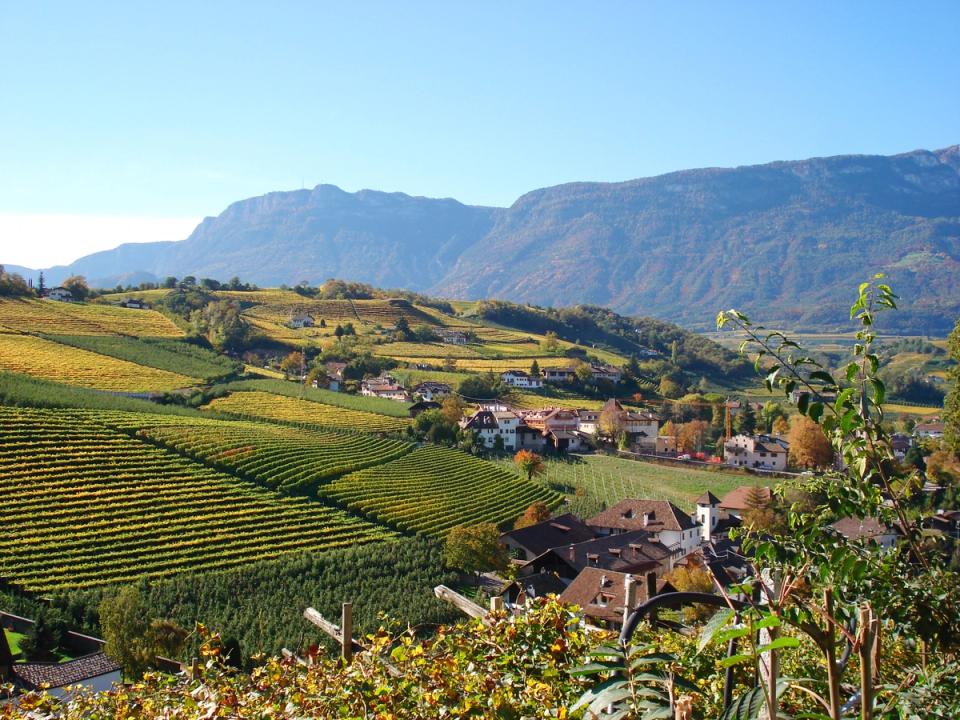
This cycling holiday through South Tyrol to Lake Garda and Venice through the rolling vineyards of Veneto offers a perfect blend of nature, history, and culture.
Timing is most of the battle, but a few practical habits make the difference in the warmer months.
Start early. In the central and southern regions from June onward, the first three hours after sunrise are the good ones — cool, quiet, and clear. Get the day's riding done before the heat peaks in early afternoon, and treat the middle of the day as it's meant to be treated in Italy: a long lunch and some shade. An e-bike is a genuinely sensible move in shoulder-season heat too, taking the sting out of the climbs so you're not pouring effort into the hottest air of the day.
And if you take only one strategic hint from all of this, it's the case for September. It tends to win on every axis at once — the temperatures have dropped to comfortable, the sea is still warm, the vineyards are being harvested, the summer crowds have gone home, and everything that closed for August is open again. The catch is that plenty of people have worked this out, so the best shoulder-season departures fill early. Because Pedal Ventures is a marketplace connecting you to handpicked local operators rather than a single tour company, the sensible move is to browse across operators and book your September or May dates well ahead, before the good weeks go.
If you want to see how Italy's windows compare with the rest of the continent, our month-by-month guide to the best time to cycle in Europe puts it all in one place.
A cycling holiday is a meaningful outlay — the average booking through Pedal Ventures is around £3,000 — so it's worth knowing your money is safe. Pedal Ventures is a marketplace: every operator on the site is handpicked, and every booking is PTS-protected, meaning your money is covered if an operator or Pedal Ventures fails. The detail lives on the financial protection page.
For most of the country, May, June, September and early October are the sweet spots — warm but not fierce, with long light and quieter roads. September is arguably the best all-rounder, combining comfortable temperatures of 22–27°C, warm seas, the grape harvest, and thinner crowds. The exact answer depends on region: the Dolomites need high summer, while the south rides well from early spring to late autumn.
In much of Italy, July and August are genuinely hot — central and southern regions regularly reach 33–38°C, which is uncomfortable and best avoided in the middle of the day. The workarounds are to start at dawn, rest through the afternoon, or head north: the high Dolomites stay cool and are at their best in high summer. August also brings the Ferragosto holiday around 15 August, when many businesses close, so it's the trickiest month to plan around.
Yes, if you head south. Sicily and Puglia stay mild and rideable through winter at around 12–17°C, with empty roads and clear light. Sicily in February even has the almond blossom around Agrigento. The north, by contrast, is cold and the Dolomite passes are shut, so winter cycling in Italy really means the south and the islands.
May or September. May gives you green hills, wildflowers and warm days around 20–24°C; September brings the grape harvest, softer light and slightly quieter roads. April and early October are excellent too. Avoid the July and August heat unless you're happy riding at dawn and resting through the afternoon.
The high Dolomite passes are usually clear of snow and open from late June to late September, sometimes stretching into early October in a mild autumn. Before late June, snow can still block the higher roads, and after October the first snows close them again. If your heart is set on the classic high passes, plan for July to September and book around that window.