Bike tour
Eastern Algarve Mini Adventure
Cycle Portugal's Eastern Algarve: 4-day self-guided tour through Tavira, Olhão, and Ria Formosa, featuring coastal views and cultural stops.

Rob
Every January the same thing happens. The decorations come down, the weather turns to grey, and a large share of the year's cycling holidays get booked in the space of a few restless weeks. It is the single busiest planning window of the year, which makes it exactly the right moment to ask a question most riders only consider once something good has already sold out: how far ahead should you actually book?
The honest answer is that there is no single number, because a cycling holiday is not one product. A guided group departure on a famous route in peak summer and a flexible self-guided week in the shoulder season sit at opposite ends of the booking calendar. So rather than a flat rule, it helps to understand what sells out first, roughly how long each kind of trip needs, and when leaving it late genuinely works. You can see the full spread of options on our cycling holidays across Europe page while you weigh up the timing.
Holidays do not fill evenly. A few things go long before everything else, and if any of them matter to you, they set your real deadline. The mistake is to picture a trip as one booking that either is or is not available; in practice it is a stack of separate things — dates, rooms, bikes, travel — each running on its own clock.
Peak-season dates. The warm, settled weeks either side of high summer — May to June and September — are the most-wanted on almost every route, and they are the first to close. If your dates are fixed by school holidays or work, treat them as the binding constraint and book around them early.
The best small hotels. Much of the pleasure of a good cycling holiday is the characterful, family-run places you stay in, and those have few rooms. A luxury or boutique-led trip is constrained by bed numbers, not bike numbers, so the standout accommodation is often gone months ahead even when the route itself still has space.
Single rooms. If you are travelling alone, single availability is tighter than general availability and the single supplement is keenest when you book early. Solo riders have the most to gain from moving first.
E-bikes. Hire fleets carry a fixed, limited number of electric bikes, and they are the first bikes to go on any given departure. If an e-bike is the difference between a holiday you enjoy and one you endure, book it as early as you book the trip.
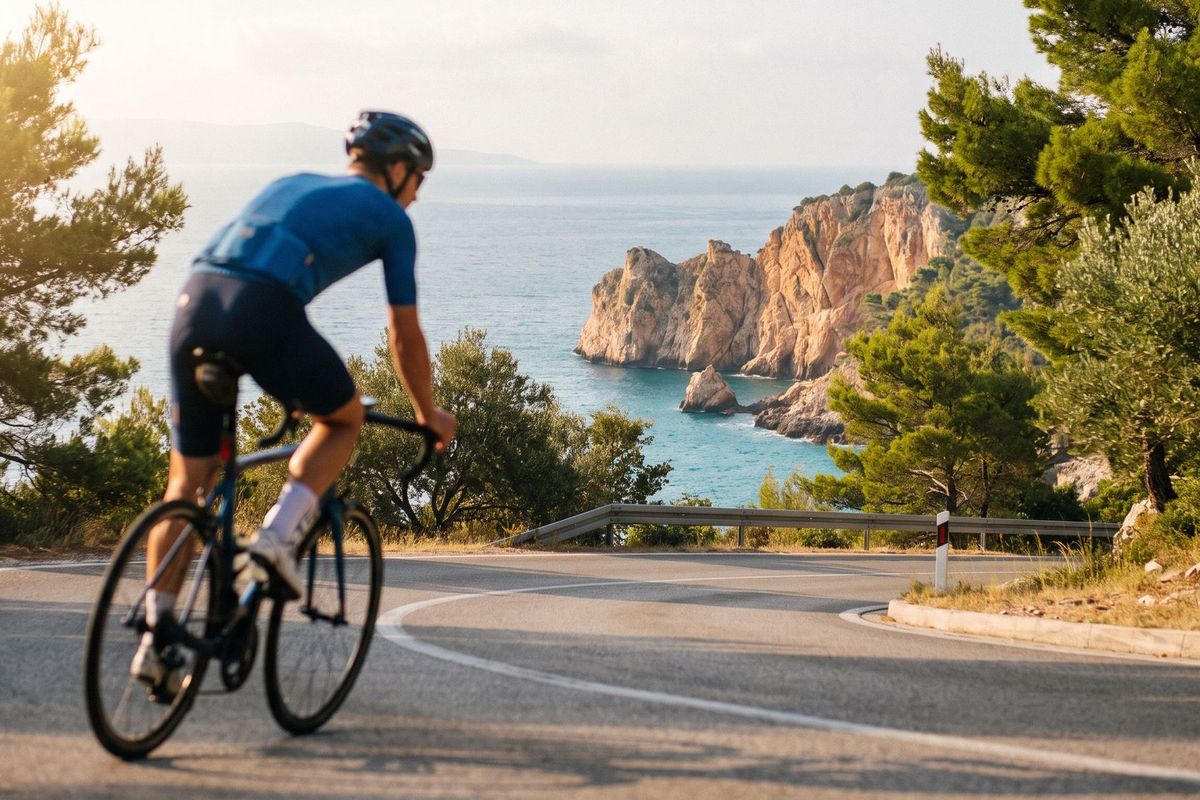
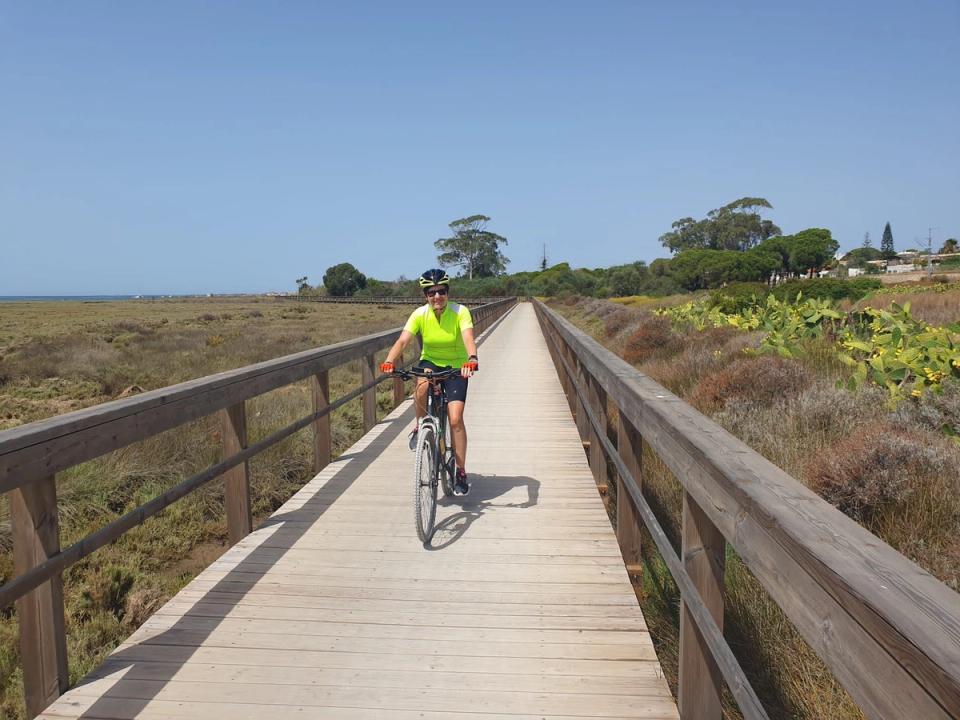
Cycle Portugal's Eastern Algarve: 4-day self-guided tour through Tavira, Olhão, and Ria Formosa, featuring coastal views and cultural stops.
The travel around the trip. If your holiday depends on reaching a particular airport on particular dates, the flights and transfers can climb in price or sell out well before the holiday itself does — especially to smaller regional airports near the quieter regions. Booking the trip early lets you lock in the surrounding travel while it is still cheap.
With those pinch points in mind, here is the shape of a sensible booking window.
A guided group departure on a popular route in peak season is the one to book furthest ahead — six to nine months is normal, and the best-known trips go earlier still. Fixed group sizes and set departure dates mean there is simply less to go around.
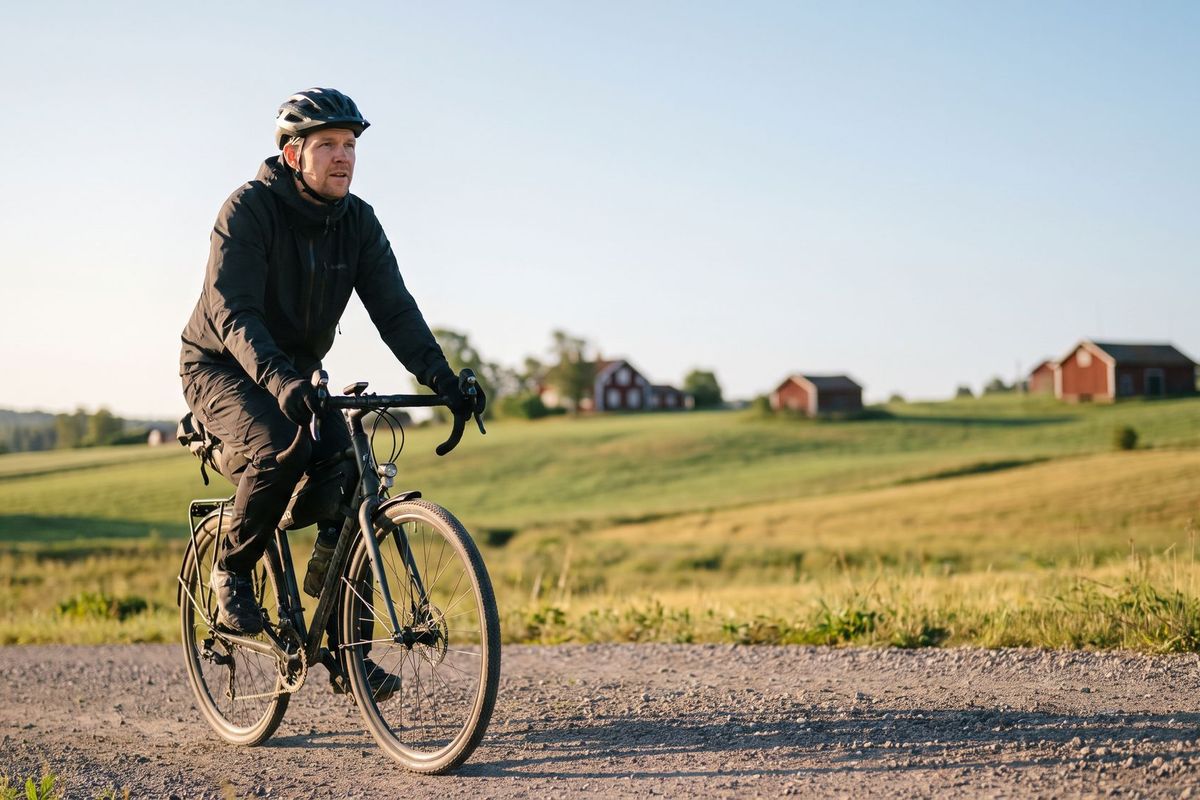
A self-guided trip in the shoulder season gives you more room. Because self-guided holidays run on your own schedule rather than a fixed group date, three to six months is often enough, though the accommodation and e-bike points above can still pull that forward.
An off-peak or winter-sun trip — the quieter months, the warmer south — is the most forgiving, and a couple of months can be plenty.
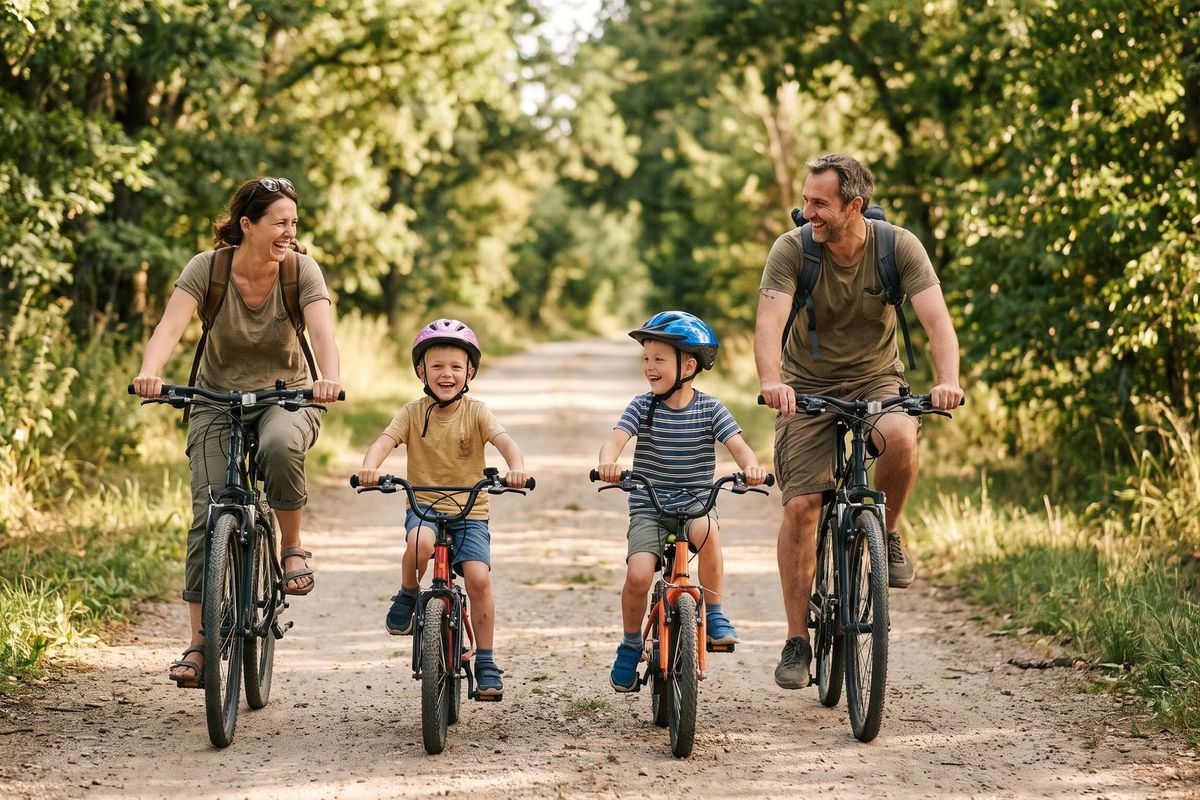
A private trip for a group of friends or family is a case of its own. Co-ordinating several people's dates, room types and abilities takes far longer than booking for two, and the larger the group the earlier you should start — both to hold enough rooms together and to give everyone time to commit and pay. For anything beyond a handful of riders, begin the conversation a good nine to twelve months out.
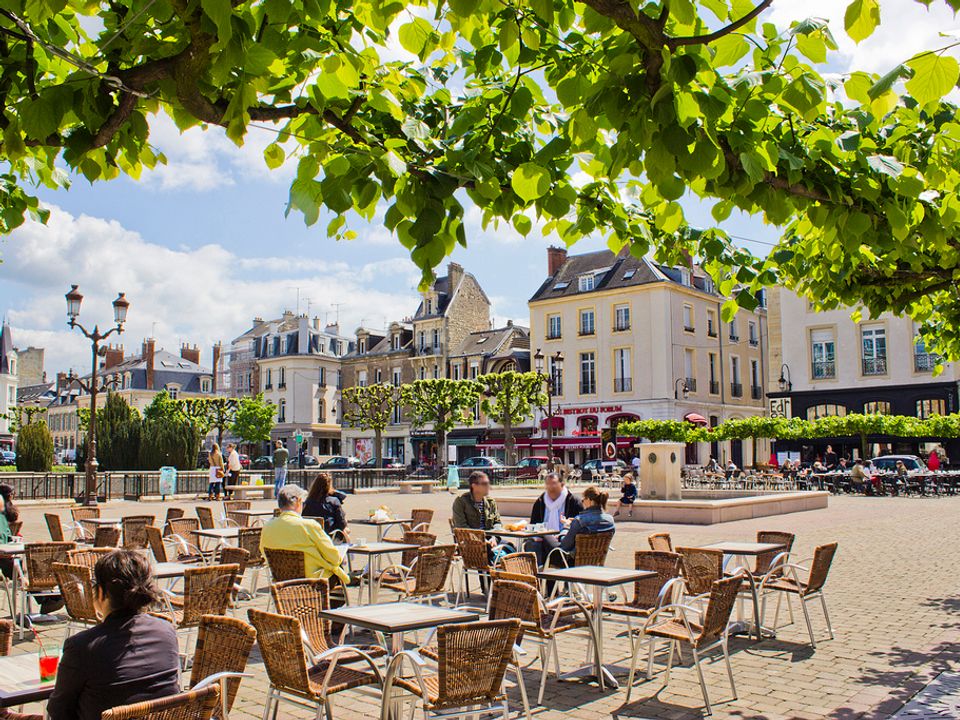
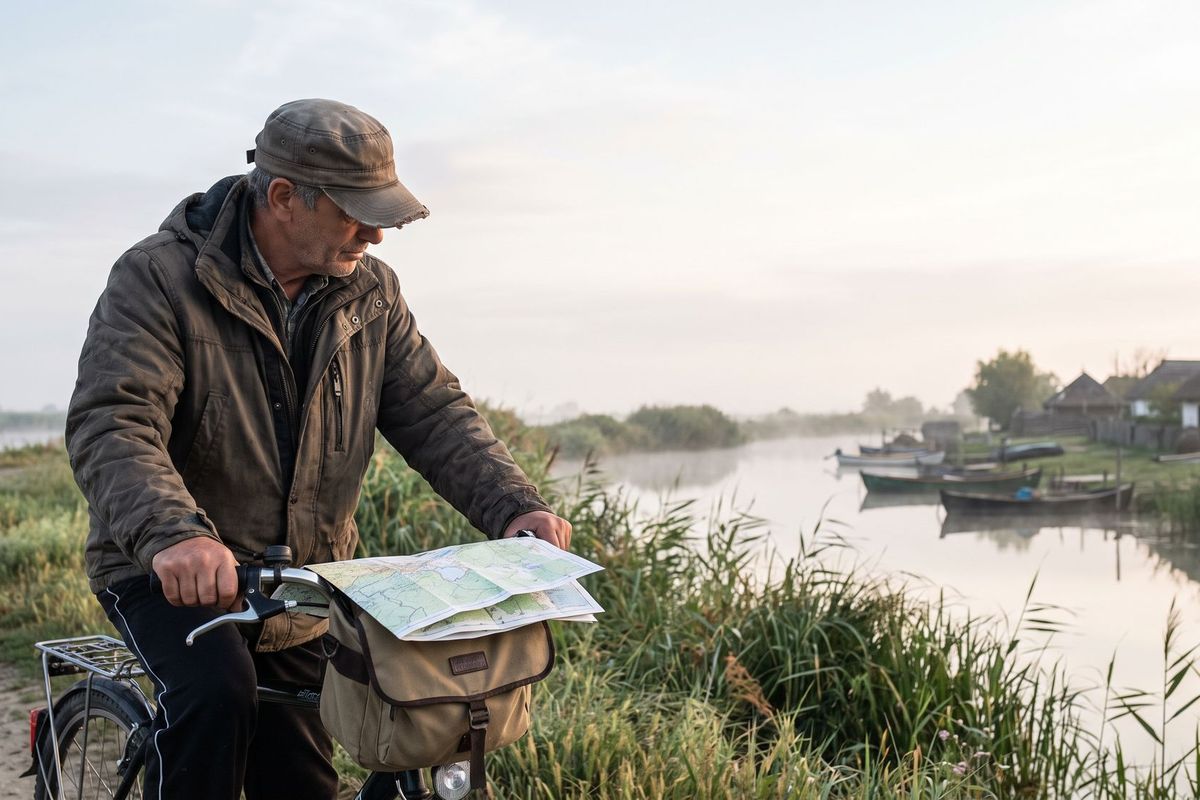
Cycle through the heart of Champagne from Reims to Épernay and back. Explore vineyard landscapes, UNESCO sites and charming villages while learning how the region’s famous sparkling wine comes to life.
These are guidelines, not guarantees. A single famous route in a single famous week can defy all of them and sell out a year out; a quiet region in a quiet month can have space next week.
It does, more than most riders expect. The marquee routes and regions — the Loire, Tuscany, Mallorca, the Danube — draw the heaviest demand and behave like the peak-season example above, filling early whatever the month. Emerging hubs are the opposite: a newer or quieter destination often has good availability far closer to departure, simply because fewer riders are chasing the same beds. So if you are set on a famous route, book as though it is always peak season. If you are open to a less obvious destination — and some of the best riding in Europe is in exactly those places — you buy yourself months of flexibility. It is one more reason to decide what matters most to you first: a specific route, a specific date, or simply a good week on the bike somewhere warm and quiet.
Beyond simply securing a place, booking ahead tends to give you the better holiday. You get the pick of dates and accommodation rather than the leftovers. You lock in the single room or the e-bike before they go. And you give yourself time to train, to get the right kit, and to spread the cost — most trips are secured with a deposit, with the balance due closer to departure, so booking early rarely means paying in full early.
There is a confidence point too. Booking a cycling holiday well ahead, through a marketplace that holds your money securely and stands behind the trip, means the months in between are spent looking forward to it rather than worrying about it. That financial protection is worth as much as the choice of dates.
Booking early also changes what the wait is for. With a deposit down and the balance not usually due until six to ten weeks before departure, the intervening months become preparation rather than limbo. It is time to get the miles into your legs so the daily distances feel comfortable, to break in the kit — shoes, shorts, a saddle you actually trust — and to sort the dull but essential things: travel insurance that genuinely covers cycling, and, if you are flying with your own bike, the airline's bike policy and the cost of carrying it. Leave the booking late and that runway disappears, and you arrive at the start having organised everything in a scramble. The earlier you commit, the more the holiday quietly improves before it has even begun.
None of this means early booking is the only way. Late booking has a real place, and sometimes a real advantage. Off-season and shoulder dates frequently have space close in. Cancellations free up spots on otherwise-full departures. And operators occasionally release discounted dates to fill a trip that has not quite sold out.
If your dates are flexible and you are willing to take the route that is available rather than the one you had in mind, a last-minute cycling holiday can be both cheaper and perfectly good. The trade is simple: you give up choice and certainty in exchange for price and spontaneity. It suits the flexible far better than the fixed.
The sweet spot for a late booking is the quieter edge of the shoulder season — the first half of May, or late September into October — where demand eases off but the weather and the riding are still excellent. It is also worth watching the window around two to three months before popular dates, when unpaid deposits lapse and held places quietly return to the pool. Flexibility is the currency here: the more willing you are to move your dates or your destination, the more a late booking rewards you.
If you want one sentence to carry away: book six to nine months ahead for a peak-season group trip or anything hanging on a specific hotel, three to six for a flexible self-guided week, and feel free to leave an off-season trip later. And if your dates are set by the calendar — school holidays, an anniversary, a milestone birthday — ignore the averages and book as early as you can, because for you the dates are the thing most likely to sell out. The new-year planning rush is as good a prompt as any to start; browse the full range of routes and, if you would rather have the dates and logistics handled for you, the guided collection is the simplest place to begin.