Bike tour
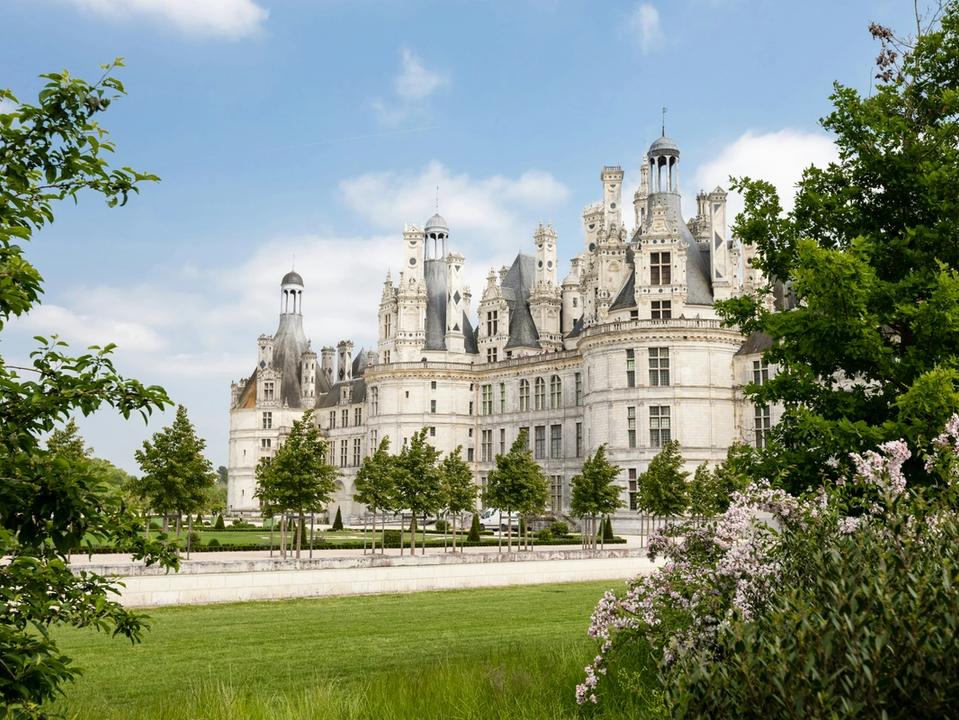
Castles of the Loire Valley
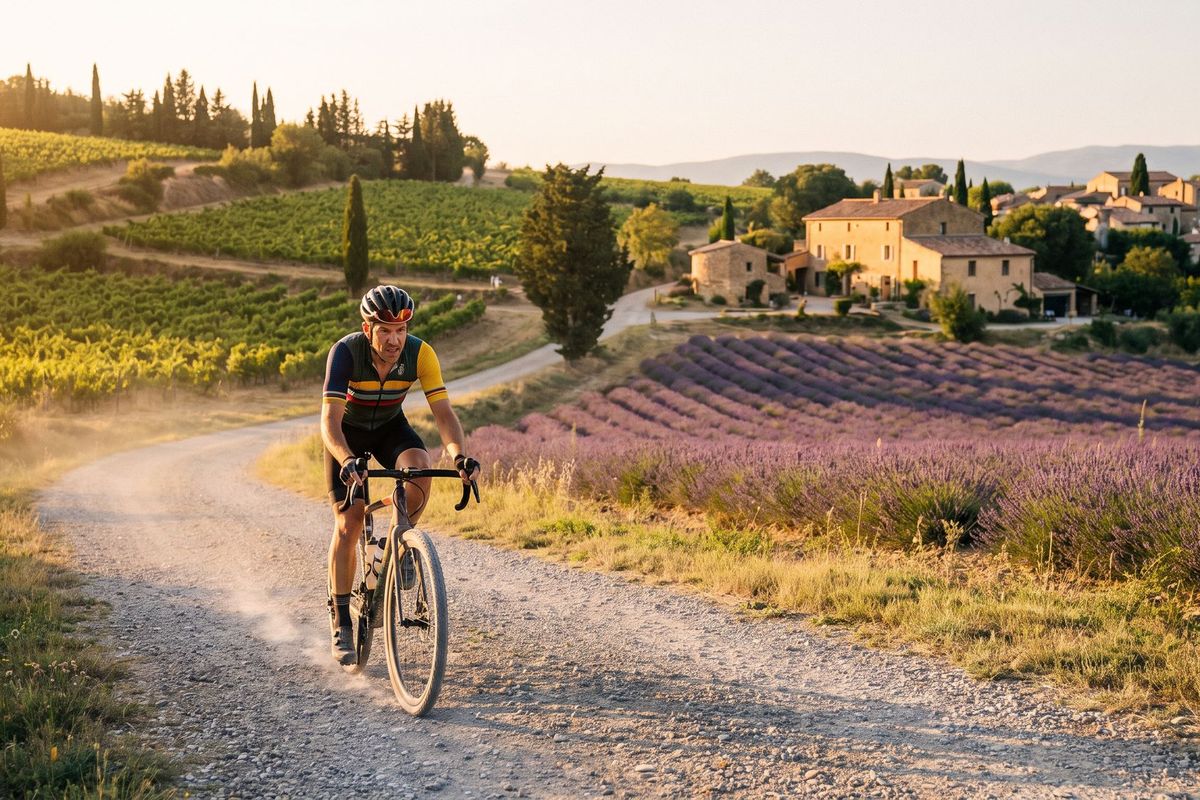
Cycle through the Loire Valley – Discover France’s most iconic châteaux, riverside paths, and historic towns on this relaxed, scenic bike tour.

Rob
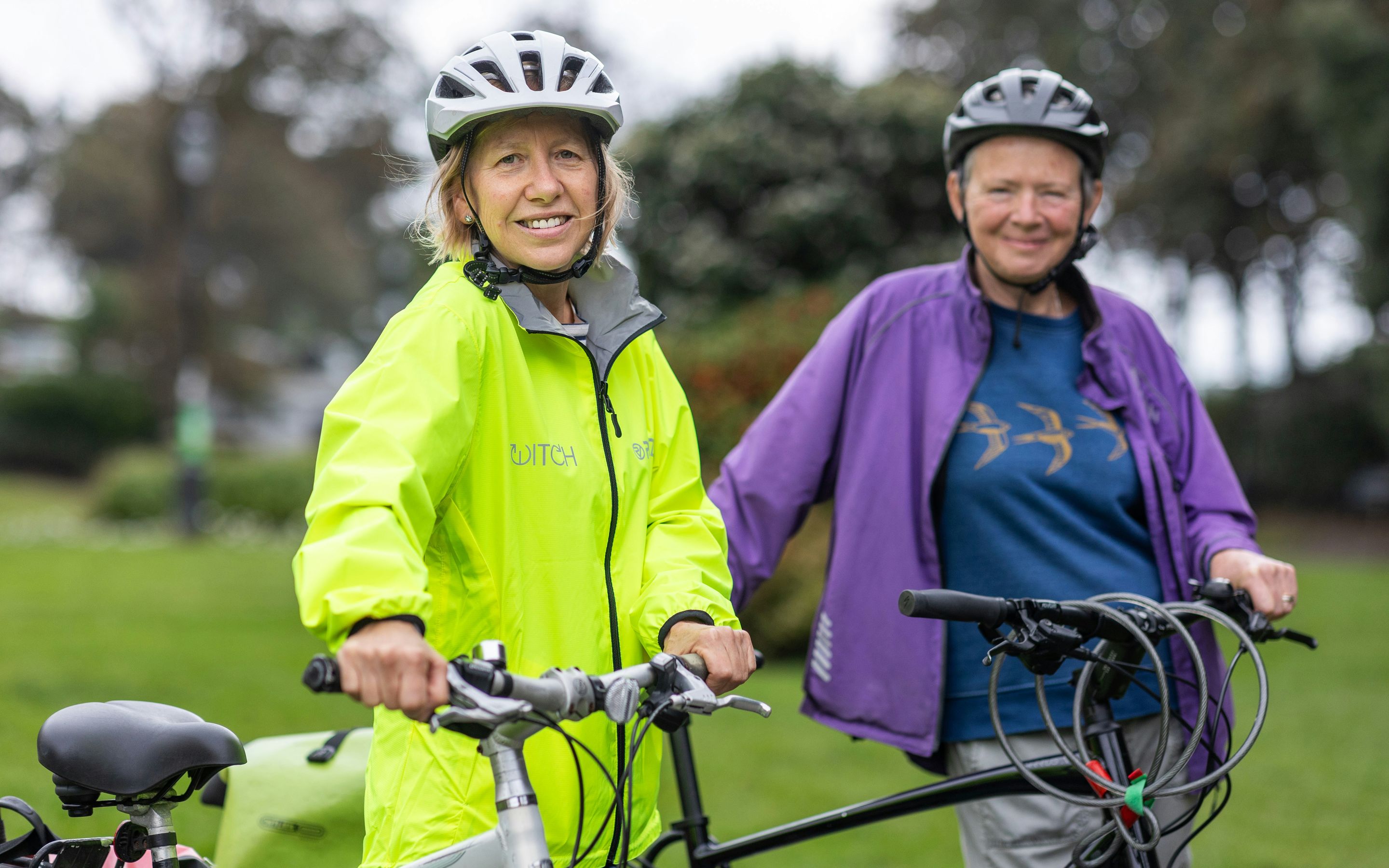
Cycling holidays suit active seniors brilliantly - combining gentle exercise, cultural immersion, social connection, and freedom impossible from coach tours or resort stays. The over-60s represent cycling tourism's fastest-growing demographic, driven by improved fitness levels amongst retirees, e-bike technology erasing historical barriers, and recognition that cycling provides ideal active travel balancing movement with manageable physical demands.
Modern cycling holidays accommodate senior fitness realities, e-bikes flatten hills, leisurely routes avoid extreme challenges, quality accommodation provides comfortable recovery, and flexible itineraries allow rest when needed. Retirement's time freedom enables shoulder-season travelling avoiding crowds and heat whilst enjoying superior value.
This comprehensive guide explores why cycling holidays work brilliantly for seniors, identifies ideal destinations and tour formats, addresses common concerns, and provides practical advice ensuring successful, enjoyable cycling adventures regardless of age.
Cycling proves gentle on joints compared to running or hiking. Seated position supports body weight whilst legs provide cardiovascular workout without impact stress. Ideal for maintaining fitness whilst managing arthritis, knee problems, or general joint wear.
Regular cycling strengthens hearts, improves circulation, maintains muscle mass, supports balance, and delivers mental health benefits through outdoor activity and achievement.
Unlike walking where pace determines effort, cycling allows precise intensity control through gearing. Flat routes in easy gears provide gentle exercise; harder gears or hillier terrain increase challenge. E-bikes extend this control further—assistance levels from minimal to maximum suit any fitness level.
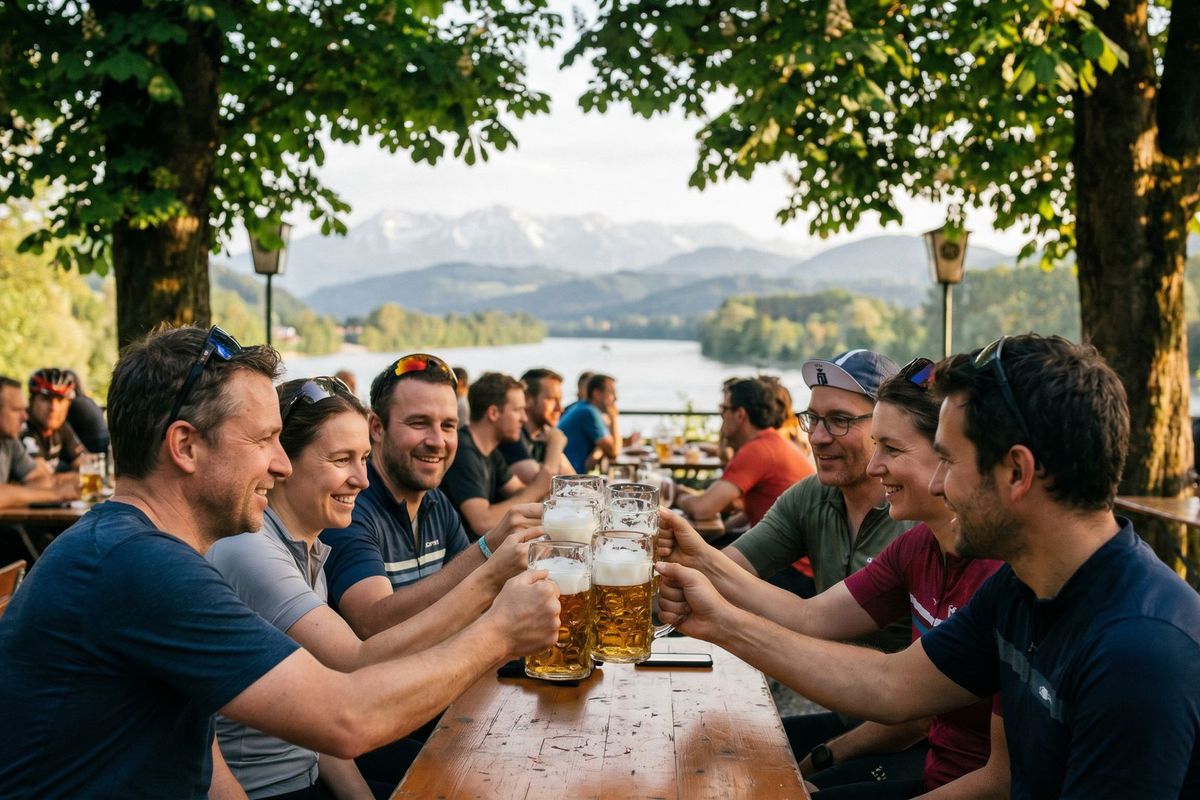
Cycling holidays balance social interaction (group dining, shared experiences) with independence (cycling at own pace, personal rest breaks). Perfect for those wanting companionship without constant group dependence.
Cycling's pace allows genuine engagement—stopping at markets, chatting with locals, discovering villages impossible from cars or buses. Active participation creates memories and satisfaction passive tourism cannot match.
Electric bicycles provide pedal assistance—you pedal normally whilst a motor amplifies your effort. This assistance proves particularly helpful climbing hills, riding into headwinds, or maintaining pace over long distances. Battery ranges span 50-100 kilometres depending on assistance level used.
Eliminate hill anxiety: Previously intimidating routes become accessible. Tuscan hills, Provençal countryside, or Austrian Alps open to moderate fitness levels.
Extend comfortable distances: 50-60 kilometre days feel like 30-40 kilometres on conventional bikes. See more without excessive fatigue.
Equalise mixed-ability couples: Fitter partners cycle conventional bikes whilst less fit partners use e-bikes—everyone rides together comfortably.
Build confidence: Start tours knowing e-bike assistance provides safety net. Use assistance when needed; cycle unassisted when feeling strong.
Reduce recovery time: Less exhausting effort means quicker recovery, fresher starts to subsequent days.
Quality e-bikes widely available across European cycling destinations. Rental costs typically £40-60 daily (£240-360 weekly)—reasonable premium for dramatically enhanced experiences. Many tour operators include e-bikes in package pricing or offer modest supplements.
Why it's perfect: Completely flat Loire à Vélo path, Renaissance châteaux every 10-15 kilometres, excellent infrastructure, gentle pace emphasising culture over athletics.
Cycle through the Loire Valley – Discover France’s most iconic châteaux, riverside paths, and historic towns on this relaxed, scenic bike tour.
Typical distances: 30-45km daily, completely flat, dedicated cycle paths.
Best timing: May-June (gardens blooming, comfortable temperatures), September (harvest season, fewer crowds).
Accommodation: Excellent châteaux-hotels, comfortable B&Bs, quality restaurants.
E-bike benefit: Minimal terrain assistance needed but convenient for maintaining comfortable pace.
Why it's perfect: World's best cycling infrastructure, completely flat throughout, fascinating culture, spring tulip spectacle, compact distances between highlights.
Typical distances: 30-50km daily, zero elevation, perfect safety.
Best timing: April-May (tulips), June-September (warmest weather, longest days).
Accommodation: Charming canal-side hotels, Amsterdam access for cultural depth.
E-bike benefit: Unnecessary for terrain but comfortable for extended distances and headwinds (common in Netherlands).
Why it's perfect: Stunning scenery, predominantly flat lakeside circuit, charming villages, Italian cuisine, comfortable Mediterranean climate.
Typical distances: 35-50km daily, lakeside flat with optional inland climbs.
Best timing: May-June, September-October (comfortable temperatures, manageable crowds).
Accommodation: Excellent lakeside hotels, many with pools and spas.
E-bike benefit: Moderate—lakeside flat but optional inland routes become accessible with assistance.
Why it's perfect: Dedicated cycle path following river, predominantly flat, cultural richness (Wachau Valley, medieval towns), excellent infrastructure.
Typical distances: 40-55km daily, gentle gradients following river course.
Best timing: May-June, September (comfortable temperatures, wine harvest atmosphere).
Accommodation: Riverside hotels, wine estate guesthouses, welcoming Austrian hospitality.
E-bike benefit: Low to moderate—river path gentle but assistance welcomed over multi-day distances.
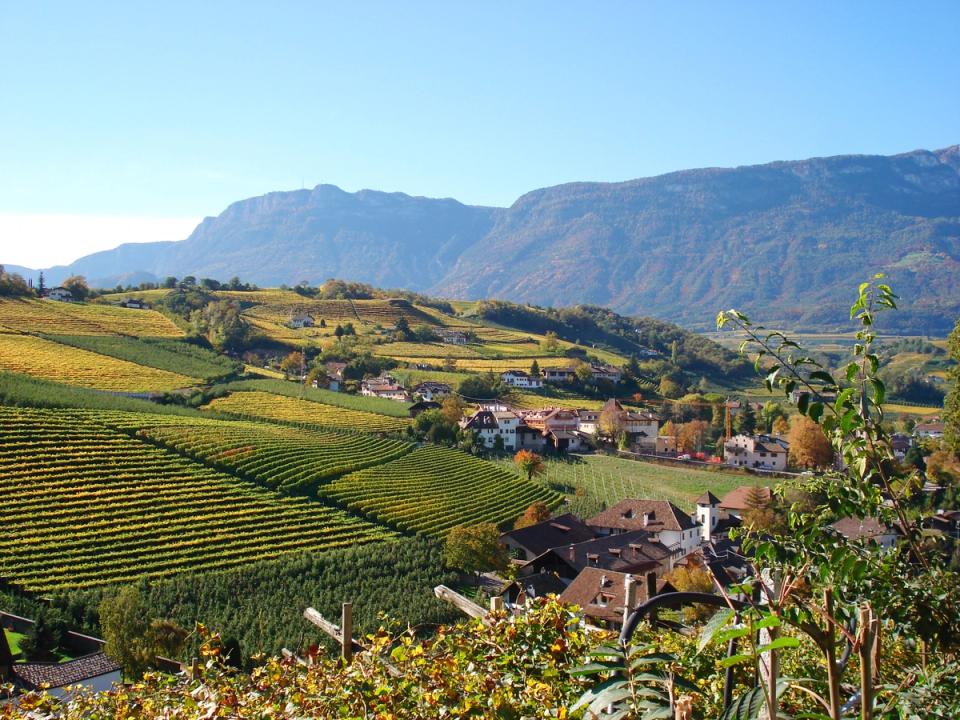
This cycling holiday through South Tyrol to Lake Garda and Venice through the rolling vineyards of Veneto offers a perfect blend of nature, history, and culture.
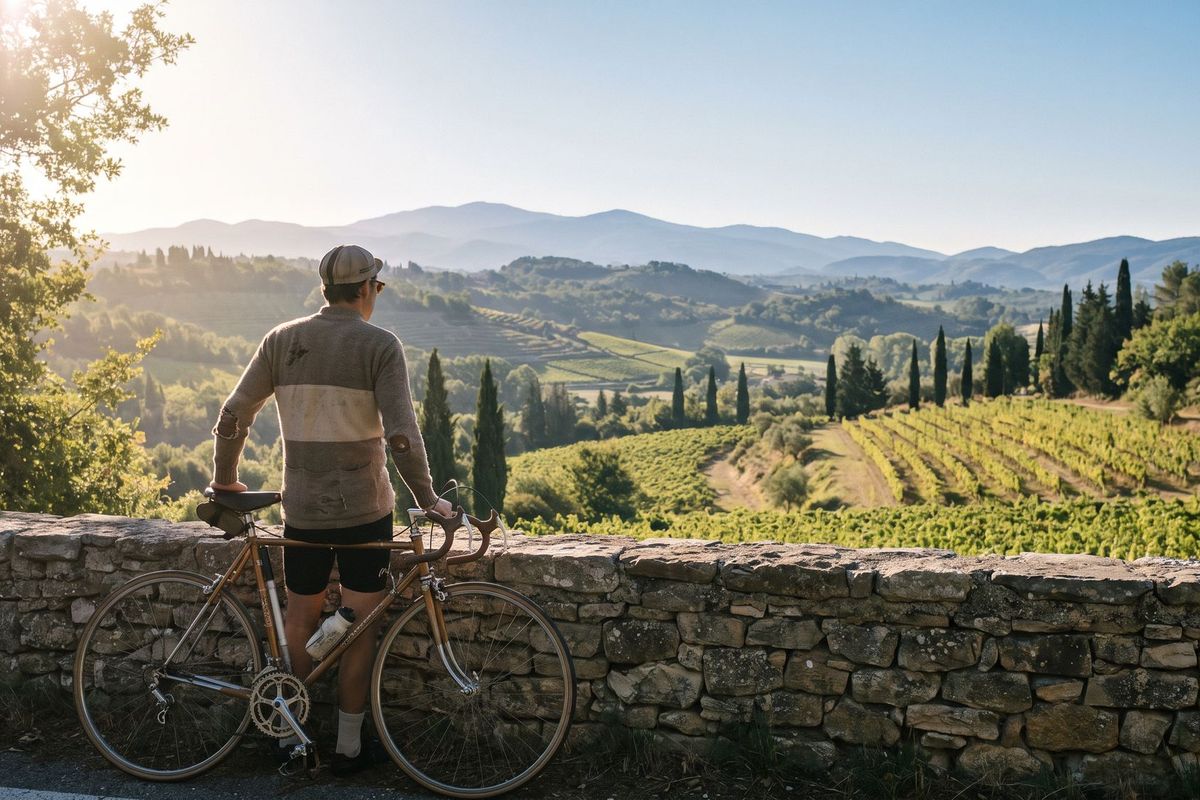
Why it's perfect: Gentle vineyard countryside, wine culture, gourmet cuisine, manageable rolling terrain, cultural sophistication.
Typical distances: 35-50km daily, rolling hills (200-400m daily elevation).
Best timing: May-June, September-October (vendange/harvest season particularly atmospheric).
Accommodation: Wine estate accommodations, boutique hotels, excellent restaurants.
E-bike benefit: Significant—rolling terrain becomes leisurely with assistance, allowing full appreciation of scenery without struggling.
Why it's perfect: Gentle rolling terrain, authentic Italian culture less touristy than Tuscany, affordable, excellent cuisine, warm weather extending seasons.
Typical distances: 40-60km daily, predominantly gentle with occasional moderate hills.
Best timing: April-June, September-November (comfortable temperatures, avoiding summer heat).
Accommodation: Excellent agriturismi, boutique trulli hotels, welcoming atmosphere.
E-bike benefit: Moderate—terrain manageable but assistance appreciated over longer distances.
Advantages: Seamless logistics, social atmosphere, expert guidance, support vehicles providing safety nets, pre-arranged cultural experiences.
Ideal for: First-time cycle tourists, those valuing social connection, seniors appreciating organised structure and support.
Group sizes: Look for smaller groups (8-12 maximum)—larger groups prove less manageable for varying paces and abilities.
Advantages: Complete flexibility, personal pacing, independence, privacy, ability to rest when needed without group pressure.
Ideal for: Confident cyclists comfortable with navigation, couples wanting privacy, those preferring flexible daily schedules.
Requirements: Basic GPS or map reading, comfort with independent problem-solving.
Advantages: Stable accommodation (no daily packing), social atmosphere, covers greater distances through overnight barge travel, luggage-free cycling.
Ideal for: Social seniors appreciating structured days but compact cabin living, those wanting variety without logistics stress.
Considerations: Cabins prove compact—ensure comfort with limited space.
If you can walk 5-8 kilometres comfortably, you possess adequate fitness for leisurely cycling tours, particularly with e-bikes. Tours grade routes clearly—choose leisurely grades initially, building confidence for moderate tours later.
Cycling suits many chronic conditions better than high-impact activities:
Heart conditions: Moderate cycling often recommended post-cardiac events (consult physicians). Controllable intensity allows safe exercise.
Arthritis: Low-impact nature gentle on joints whilst maintaining mobility and fitness.
Balance concerns: Modern touring bikes offer stable geometry; e-bikes' lower centres of gravity enhance stability.
Medications: Inform tour operators of medical requirements—they'll ensure appropriate support.
Quality tour operators provide:
European cycling infrastructure emphasises safety:
Shoulder seasons (May-June, September-October) offer seniors advantages:
Senior cyclists consistently report cycling holidays amongst their most rewarding retirement experiences—combining physical challenge with cultural enrichment, social connection with independence, and genuine achievement with sustainable exertion.
You'll remember morning departures through mist-covered vineyards, conversations with passionate winemakers, lunches overlooking medieval towns, afternoon arrivals at charming hotels, and evenings discussing the day's discoveries over excellent regional cuisine.
Age proves irrelevant to cycling holiday enjoyment—proper route selection, e-bike technology, and quality operators ensure experiences limited only by imagination, not years.
Your senior cycling adventure awaits—European landscapes, cultural treasures, and the satisfaction of proving age merely measures years lived, not capabilities remaining.